
Contact us at 914-666-4665

Dr. Daniel Cameron

Board-certified physician with 38+ years specializing in Lyme disease and tick-borne illnesses. Past President of ILADS (International Lyme and Associated Diseases Society) and first author of ILADS treatment guidelines. Dr. Cameron operates a solo practice focused on patient advocacy and evidence-based Lyme disease treatment. He is the author of 1,100+ articles spanning diagnosis, treatment, co-infections, and recovery from tick-borne illnesses. His work challenges conventional approaches that often leave patients undiagnosed or undertreated, emphasizing clinical judgment over rigid adherence to testing criteria that frequently produce false negatives.

Dr. Daniel Cameron

Borrelia burgdorferi Activates Astrocytes: Implications for Neurologic Lyme Disease

Borrelia burgdorferi Activates Astrocytes: Implications for Neurologic Lyme Disease Borrelia burgdorferi may affect the brain by triggering inflammatory responses in key support cells. Laboratory findings show that the bacterium can activate human astrocytes, raising questions about its role in neurologic Lyme disease. This raises an important question: how does Borrelia burgdorferi affect brain function? Research […]

Borrelia burgdorferi Activates Astrocytes: Implications for Neurologic Lyme Disease Read More »

Questions to Ask Patients About Lyme Disease in Cardiac Cases

Questions to Ask Patients About Lyme Disease in Cardiac Cases Lyme disease may present with cardiac symptoms that resemble more common conditions. A case of arrhythmia highlights the importance of asking targeted questions about possible tick exposure. This raises an important question: when should Lyme disease be considered in patients with cardiac abnormalities? Clinical context

Questions to Ask Patients About Lyme Disease in Cardiac Cases Read More »

What if a pronounced TH17 cytokine response in Lyme arthritis were caused by a persistent infection?

TWhat if a pronounced TH17 cytokine response in Lyme arthritis were caused by a persistent infection?n? Immune responses in Lyme arthritis may vary over time, raising questions about their role in disease progression. A pronounced TH17 cytokine response has been linked to both early infection and later autoimmune features. This raises an important question: could

What if a pronounced TH17 cytokine response in Lyme arthritis were caused by a persistent infection? Read More »

Borrelia miyamotoi urban

Borrelia Miyamotoi Urban Areas: Ticks Expanding Into Cities

Borrelia Miyamotoi in Urban Areas: Ticks Expanding Into Cities Ticks carrying Lyme disease and related pathogens are increasingly being identified in urban environments. Studies suggest that city parks, woodland edges, and recreational green spaces may serve as habitats for infected ticks. This raises an important question: are urban areas becoming a growing source of tick

Borrelia Miyamotoi Urban Areas: Ticks Expanding Into Cities Read More »

Cochrane Review and Neurologic Lyme Disease: Missing U.S. Evidence

Cochrane Review and Neurologic Lyme Disease: Missing U.S. Evidence A Cochrane review evaluating antibiotic treatment for neurologic Lyme disease highlights important findings—but also notable gaps. While several European trials were included, no U.S.-based studies on chronic neurologic Lyme disease met inclusion criteria. This raises an important question: how should clinicians interpret evidence when major studies

Cochrane Review and Neurologic Lyme Disease: Missing U.S. Evidence Read More »

Ticks can survive a Northern winter. But can ticks survive a Southern summer?

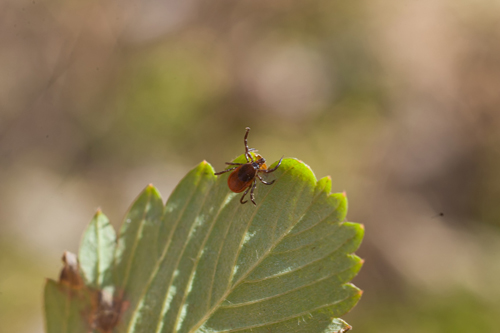
Can Ticks Survive a Southern Summer? What the Research Shows Ticks are well known for surviving harsh northern winters, but their ability to persist in hot southern climates is less often discussed. Research suggests that environmental conditions, particularly humidity, play a key role in tick survival. This raises an important question: can ticks survive the

Ticks can survive a Northern winter. But can ticks survive a Southern summer? Read More »

Azithromycin Gel for Lyme Prevention: What the Trial Found

Azithromycin Gel for Lyme Prevention: What the Trial Found Preventing Lyme disease after a tick bite remains a clinical challenge. A topical azithromycin gel was studied as a possible early intervention, but results did not support its effectiveness. This raises an important question: can a topical antibiotic prevent Lyme disease after a tick bite? Findings

Azithromycin Gel for Lyme Prevention: What the Trial Found Read More »

Lyme Disease Risk May Be Underestimated in North Carolina<

Lyme Disease Risk May Be Underestimated in North Carolina What if Lyme disease risk exists in areas not officially labeled as endemic? Evidence from North Carolina suggests that infected ticks may be present even when public health maps say otherwise. This raises an important question: do current Lyme disease maps fully reflect real-world exposure risk?

Lyme Disease Risk May Be Underestimated in North Carolina< Read More »

Top Lyme Disease Blog Topics from 2016: What Still Matters Today

Top Lyme Disease Blog Topics from 2016: What Still Matters Today Some Lyme disease topics continue to surface year after year. Others highlight gaps in diagnosis, treatment, or awareness that remain relevant today. Looking back at these widely read posts offers insight into patterns clinicians and patients still encounter—from neurologic complications to co-infections and treatment

Top Lyme Disease Blog Topics from 2016: What Still Matters Today Read More »

Lyme Disease in the South: Additional Evidence from North Carolina Ticks

Lyme Disease in the South: Additional Evidence from North Carolina Ticks Lyme disease is often thought of as a Northeastern illness. But growing evidence suggests that Borrelia burgdorferi-infected ticks may also be established in parts of the Southeast. Findings from North Carolina raise an important point: infected ticks may persist in regions not always recognized

Lyme Disease in the South: Additional Evidence from North Carolina Ticks Read More »