
Contact us at 914-666-4665

Dr. Daniel Cameron

Dr. Daniel Cameron is a board-certified physician and epidemiologist specializing in Lyme disease and tick-borne illnesses. He is a past president of ILADS and has contributed to Lyme disease treatment guidelines, with a clinical focus on diagnosis, testing limitations, and complex cases.

Dr. Daniel Cameron
lyme-disease-pregnancy

Case series: No complications with Lyme disease and pregnancy

Lyme Disease in Pregnancy: Risks to the Baby and What to Watch For Can Lyme disease affect your baby? Is congenital Lyme disease possible? Here’s what pregnant women need to know. Lyme disease in pregnancy raises important questions about risks to both the mother and the developing baby. While many pregnancies result in healthy outcomes, […]

Case series: No complications with Lyme disease and pregnancy Read More »

A Babesia infection 3 weeks after treatment for Lyme disease.

A Babesia infection 3 weeks after treatment for Lyme disease. An Inside Lyme podcast.

Babesia After Lyme Treatment: Why Symptoms Return Weeks Later (And Are Missed) The Lyme rash appears. Treatment begins—and symptoms improve. Then new symptoms suddenly develop. Babesia after Lyme treatment may explain why some patients relapse or develop new symptoms weeks after starting antibiotics. This is one of the most common reasons patients relapse after Lyme

A Babesia infection 3 weeks after treatment for Lyme disease. An Inside Lyme podcast. Read More »

Babesia-treatment

Tafenoquine for Relapsing Babesia: A Treatment Option When Standard Therapy Fails

Tafenoquine for Relapsing Babesia: A Treatment Option When Standard Therapy Fails STILL RELAPSING AFTER BABESIA TREATMENT? WHEN STANDARD THERAPY ISN’T ENOUGH “I got better—but then it came back.” Relapsing Babesia is a frustrating pattern many patients recognize—symptoms improve, then return weeks or months later. Quick Answer: Tafenoquine may be an option for relapsing Babesia when

Tafenoquine for Relapsing Babesia: A Treatment Option When Standard Therapy Fails Read More »

facial-nerve-dysfunction-lyme-disease

Facial Nerve Dysfunction After Lyme Disease: What Persists

Facial Nerve Dysfunction After Lyme Disease: What Persists Facial weakness may not fully resolve Symptoms can persist after treatment Recovery is often incomplete Quick Answer: Facial nerve dysfunction after Lyme disease can persist for months or longer, especially in patients treated with corticosteroids. Symptoms may include weakness, synkinesis, tearing, and long-term functional impairment. Facial nerve

Facial Nerve Dysfunction After Lyme Disease: What Persists Read More »

Anaplasmosis-babesia

Babesia and Anaplasmosis in a Child with Leukemia

Babesia and Anaplasmosis in a Child with Leukemia Babesia immunocompromised patients face elevated risks — and this case shows why clinicians must consider tick-borne infections even in children undergoing cancer treatment. A 5-year-old with leukemia developed both Babesia and Anaplasmosis after a tick bite. “A 5-year-old male with National Cancer Institute (NCI) standard risk B-cell

Babesia and Anaplasmosis in a Child with Leukemia Read More »

anaplasmosis-neurological-symptoms

Anaplasmosis and Trigeminal Neuralgia: A Rare Neurologic Case

Anaplasmosis and Trigeminal Neuralgia: A Rare Neurologic Case Anaplasmosis can affect the nervous system Severe facial pain may not be typical But rare presentations do occur Quick Answer: Anaplasmosis can cause neurologic symptoms, including rare cases of trigeminal neuralgia. Diagnosis may require PCR testing, and symptoms often improve with appropriate antibiotic treatment. Anaplasmosis trigeminal neuralgia

Anaplasmosis and Trigeminal Neuralgia: A Rare Neurologic Case Read More »

facial-palsy-lyme-disease

Bilateral Facial Palsy and Lyme Disease: A Rare but Serious Presentation

Bilateral Facial Palsy and Lyme Disease: A Rare but Serious Presentation Bilateral facial palsy is rare. It often signals a serious underlying condition. Lyme disease is one possibility that can be missed. Bilateral facial palsy Lyme disease is an uncommon but important clinical presentation. Less than 2% of facial palsy cases are bilateral. Unlike unilateral

Bilateral Facial Palsy and Lyme Disease: A Rare but Serious Presentation Read More »

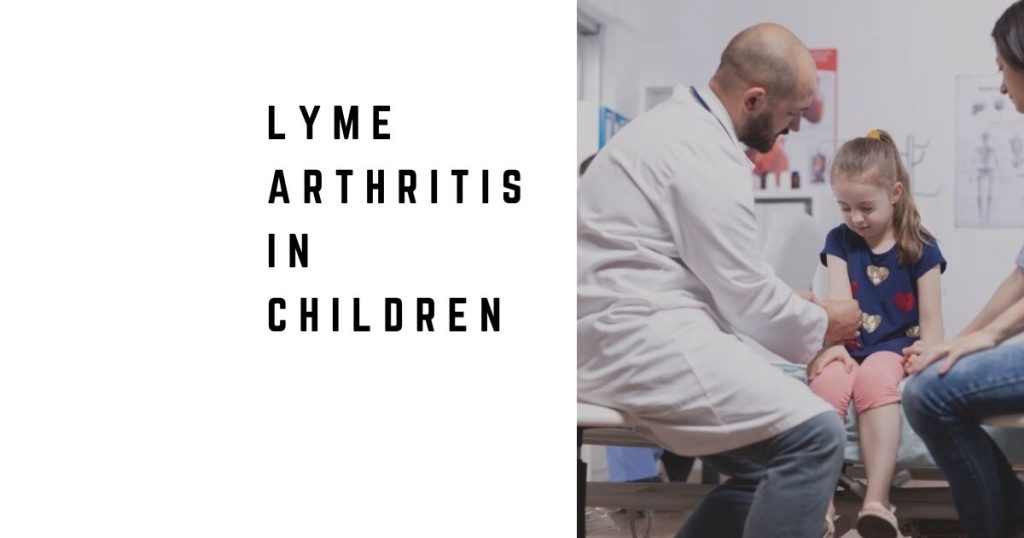
Lyme Arthritis in Children

Lyme Arthritis in Children: Knee Swelling Without Rash

Lyme Arthritis in Children: Knee Swelling Without Rash Lyme arthritis in children often appears as knee swelling weeks or months after a tick bite. Because the classic rash of early Lyme disease is frequently absent or unnoticed, diagnosis may be delayed. Guardado and Sergent describe a case illustrating a common diagnostic gap: a 10-year-old girl

Lyme Arthritis in Children: Knee Swelling Without Rash Read More »

optic-neuritis-lyme-disease

Sudden Vision Loss? Lyme Optic Neuritis Can Affect Both Eyes

Sudden Vision Loss? Lyme Optic Neuritis Can Affect Both Eyes VISION LOSS IN BOTH EYES? LYME DISEASE MAY BE MISSED Lyme optic neuritis is a rare neurologic complication of Lyme disease that can cause inflammation of the optic nerve and progressive visual loss. Unlike typical optic neuritis, Lyme-associated cases may affect both eyes and may

Sudden Vision Loss? Lyme Optic Neuritis Can Affect Both Eyes Read More »

WHY DO I FEEL DIZZY

Hearing Loss and Vertigo in Lyme Disease: When Inner Ear Symptoms Are Missed

Hearing Loss and Vertigo in Lyme Disease: When Inner Ear Symptoms Are Missed Hearing loss in Lyme disease can occur when infection affects the inner ear or the vestibulocochlear nerve (cranial nerve VIII). Patients may also experience vertigo, tinnitus, dizziness, and balance problems—symptoms that are a recognized feature of Lyme disease symptoms when the auditory

Hearing Loss and Vertigo in Lyme Disease: When Inner Ear Symptoms Are Missed Read More »