
Contact us at 914-666-4665

Dr. Daniel Cameron

Board-certified physician with 38+ years specializing in Lyme disease and tick-borne illnesses. Past President of ILADS (International Lyme and Associated Diseases Society) and first author of ILADS treatment guidelines. Dr. Cameron operates a solo practice focused on patient advocacy and evidence-based Lyme disease treatment. He is the author of 1,100+ articles spanning diagnosis, treatment, co-infections, and recovery from tick-borne illnesses. His work challenges conventional approaches that often leave patients undiagnosed or undertreated, emphasizing clinical judgment over rigid adherence to testing criteria that frequently produce false negatives.

Dr. Daniel Cameron
how-long-can-you-have-Lyme-disease-without-knowing-it

Can You Have Lyme Disease and Not Know It?

Can You Have Lyme Disease and Not Know It? Undiagnosed Lyme disease is more common than many realize. Some patients remain ill for years before receiving the correct diagnosis—often after being treated for other conditions. Clinical Insight: Lyme disease can go unrecognized for years when symptoms are subtle, fluctuate, or are mistaken for other conditions. […]

Can You Have Lyme Disease and Not Know It? Read More »

breast cancer patient with lyme disease

Breast Cancer Patient Later Diagnosed With Lyme Disease

Breast Cancer Patient Develops Lyme Disease Hello, and welcome to another Inside Lyme Podcast. I am your host Dr. Daniel Cameron. In this episode, I discuss the case of a 61-year-old woman who developed Lyme disease following treatment for breast cancer. Key Point: Neurologic Lyme disease can mimic other serious conditions, including complications suspected in

Breast Cancer Patient Later Diagnosed With Lyme Disease Read More »

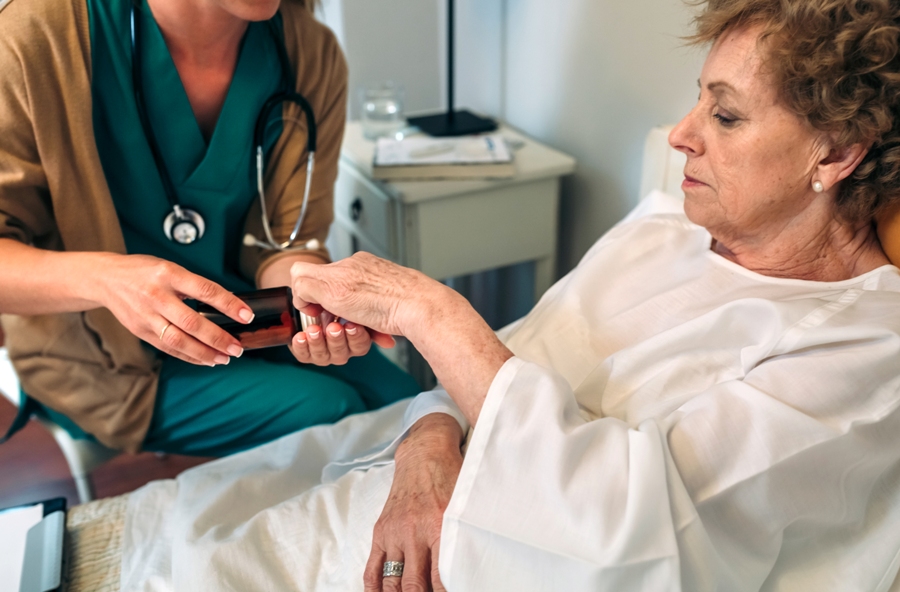
woman with geriatric babesia receiving medication from nurse

Geriatric Babesia: Why Older Patients Often Need Longer Treatment

Geriatric Babesia: Why Older Patients Often Need Longer Treatment Geriatric babesia is becoming more common—and more dangerous. Babesia infections in older adults often lead to more severe illness, longer recovery, and higher mortality rates. The annual number of cases per year climbed from 4 per 100,000 to 9 per 100,000 in the U.S. between 2006

Geriatric Babesia: Why Older Patients Often Need Longer Treatment Read More »

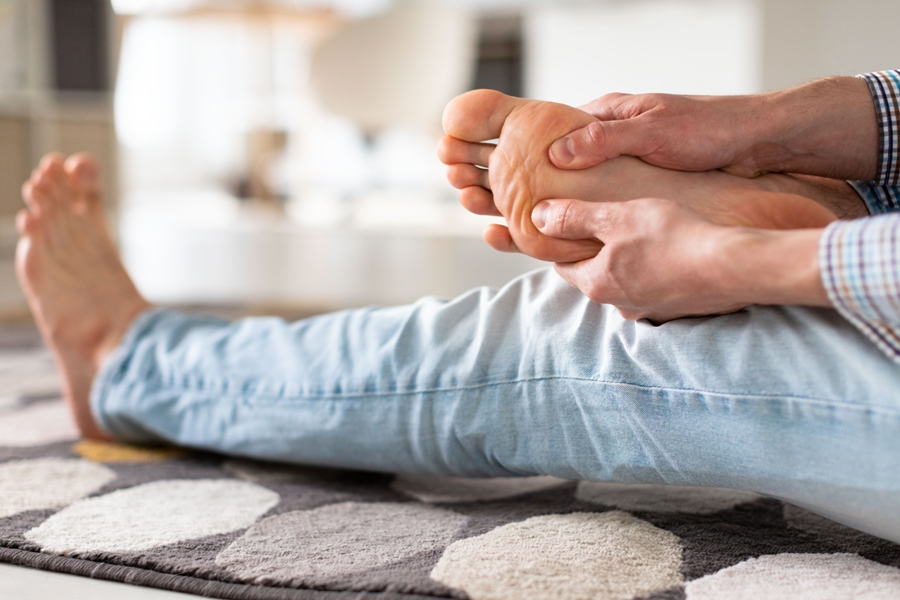
A 36-year-old man with severe neuropathic pain in both feet.

A 36-year-old man with severe neuropathic pain in both feet. A 36-year-old man suffered with severe neuropathic pain in both feet. The pain was severe at a level 10 out of 10 despite methadone 5 mg every four hours as needed. The doctors elected not to treat with antibiotic under the assumption that the tick-borne

A 36-year-old man with severe neuropathic pain in both feet. Read More »

powassan-virus-in-children

Powassan Virus Encephalitis in Children: Two Infant Case Reports

Powassan Virus in Children Powassan virus infection in children is rare but can lead to severe neurologic illness, including encephalitis and long-term complications. For an overview, see Powassan virus. Powassan Virus in Pediatric Patients Children can develop serious neurologic symptoms following infection with Powassan virus, including encephalitis and meningitis. Symptoms may include fever, headache, vomiting,

Powassan Virus Encephalitis in Children: Two Infant Case Reports Read More »

Man holding head, looking tired from post treatment lyme disease

Four Proposed Post-Treatment Lyme Disease Syndromes

Four Proposed Post-Treatment Lyme Disease Syndromes Causing Persistent Symptoms Post-treatment Lyme disease syndromes describe persistent symptoms that continue after standard antibiotic therapy for Lyme disease. Although many patients recover, a significant number remain ill for months or even years. Individuals who suffer from persistent symptoms are often diagnosed with post-treatment Lyme disease syndrome (PTLDS) or

Four Proposed Post-Treatment Lyme Disease Syndromes Read More »

COVID-19 or Lyme disease triggers autoimmune dysfunction

COVID-19 or Lyme disease triggers autoimmune dysfunction?

COVID-19 or Lyme Disease Triggering Autoimmune Dysfunction? Welcome to another edition of the Inside Lyme Podcast with Dr. Daniel Cameron. In this episode, I discuss a case of autonomic dysfunction in a woman with a history of Lyme disease who later developed COVID-19. The case raises an important clinical question: did COVID-19 or Lyme disease

COVID-19 or Lyme disease triggers autoimmune dysfunction? Read More »

borrelia miyamotoi and lyme disease

Borrelia Miyamotoi Coinfection in Lyme Disease: Could It Explain Persistent Symptoms?

Borrelia Miyamotoi and Lyme Disease Coinfection: Study of Persistent Symptoms Could Borrelia miyamotoi and Lyme disease coinfection help explain persistent symptoms in some patients? Borrelia miyamotoi (BM) is a tick-borne pathogen transmitted by the same Ixodes ticks that spread Lyme disease. Unlike Lyme disease, erythema migrans rash and joint pain are uncommon in Borrelia miyamotoi

Borrelia Miyamotoi Coinfection in Lyme Disease: Could It Explain Persistent Symptoms? Read More »