
Contact us at 914-666-4665

Filter posts by category

Lyme Science Blog

Lyme disease, treatment

Is suppressing immunity harmful to Lyme disease patients?

Is Suppressing Immunity Harmful to Lyme Disease Patients? Suppressing immunity may complicate Lyme disease recovery TNF inhibitors were linked to higher treatment failure rates Some patients required retreatment after Lyme symptoms returned Investigators examined whether immune-suppressing medications affected Lyme disease outcomes and found higher rates of dissemination and treatment failure among patients receiving TNF-α inhibitors, […]

Is suppressing immunity harmful to Lyme disease patients? Read More »

Symptoms of Lyme disease are not “excessive”

Can Lyme Disease Be Mistaken for a Psychosomatic Disorder? Complex illnesses can be difficult to diagnose Lyme disease symptoms may overlap with psychiatric conditions Misdiagnosis can occur when multisystem illness is overlooked Can Lyme disease be mistaken for a psychosomatic disorder? According to Robert Bransfield, MD, patients with complex multisystem illnesses may sometimes receive psychiatric

Symptoms of Lyme disease are not “excessive” Read More »

Is Lyme disease being overlooked during infectious disease consultations?

Is Lyme Disease Overlooked in Infectious Disease Consultations? In their article “Functional signs in patients consulting for presumed Lyme borreliosis,” Voitey et al. [1] examined patients referred to infectious disease specialists for suspected Lyme disease. Patients referred for infectious disease consultations often present with complex symptoms. When diagnostic criteria rely heavily on laboratory testing, some

Is Lyme disease being overlooked during infectious disease consultations? Read More »

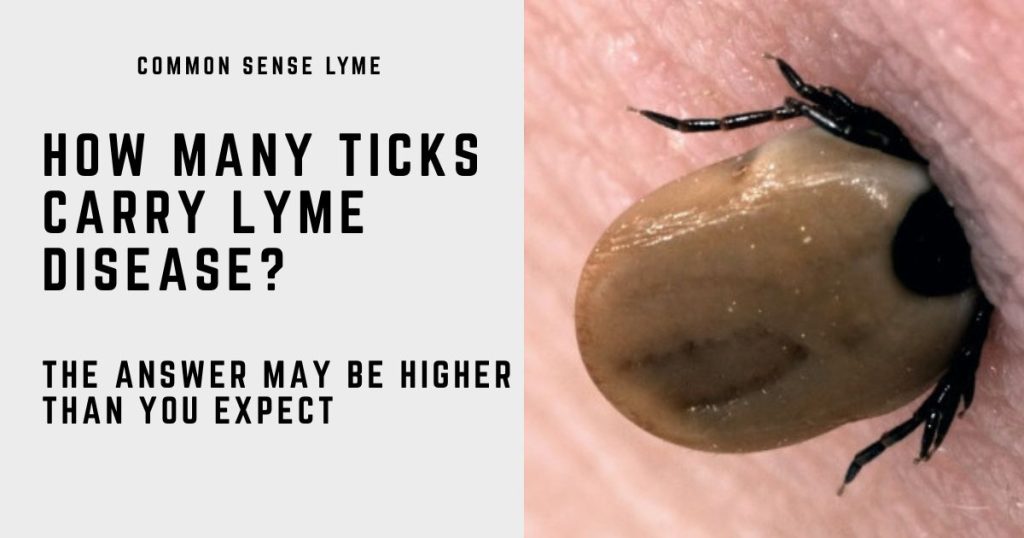
HOW MANY TICKS CARRY LYME DISEASE

What Percentage of Ticks Have Lyme Disease?

What Percentage of Ticks Carry Lyme Disease? Many deer ticks carry more than one pathogen Co-infections may increase the severity and complexity of illness Ticks on Long Island showed high rates of Lyme disease infection As the authors point out, “Concurrent polymicrobial infections in humans can have a synergistic effect and result in a more

What Percentage of Ticks Have Lyme Disease? Read More »

Lyme Carditis Guidelines: Which Should Clinicians Follow?

Lyme Carditis Guidelines: Which Lyme Disease Guidelines Should Clinicians Follow? In their article Lyme Carditis: A Rare Presentation of Sinus Bradycardia Without Any Conduction Defects, Grella and colleagues present “a unique case of Lyme carditis, without the classical findings of Lyme disease [such as a rash] or common EKG findings of AV conduction abnormalities.”1 The

Lyme Carditis Guidelines: Which Should Clinicians Follow? Read More »

Neuropsychiatric Lyme Disease: When Infection Mimics Mental Illness

Neuropsychiatric Lyme Disease: OCD, Anxiety, and Cognitive Symptoms

Neuropsychiatric Lyme Disease: Anxiety, OCD, Brain Fog, and More Anxiety, OCD symptoms, and brain fog may overlap with neurologic Lyme disease. Some patients report mood, behavioral, and cognitive changes that complicate diagnosis. Recognizing these symptoms early may reduce delays in care. Neuropsychiatric Lyme disease refers to cognitive, behavioral, emotional, and psychiatric symptoms that may occur

Neuropsychiatric Lyme Disease: OCD, Anxiety, and Cognitive Symptoms Read More »

Conversion Disorder, Guillain-Barré Syndrome, or

Neurologic Lyme Disease Misdiagnosed as Conversion Disorder

Neurologic Lyme Disease Misdiagnosed as Conversion Disorder Neurologic Lyme disease may mimic Guillain-Barré syndrome Weakness, falls, and hyporeflexia may complicate diagnosis Conversion disorder may initially be suspected Teodoro and colleagues describe the case of a woman who was initially suspected of having a conversion disorder but later diagnosed with Guillain-Barré syndrome, possibly triggered by neurologic

Neurologic Lyme Disease Misdiagnosed as Conversion Disorder Read More »

Two children who contracted Babesia from their mothers.

Two children who contracted Babesia from their mothers. Two Children Who Contracted Babesia From Their Mothers From the Archives (2020) This article reflects clinical discussion of pediatric Babesia cases at a time when maternal–fetal transmission was rarely considered outside of published case reports. Two pediatric cases raised concern for possible maternal–fetal transmission of Babesia. These

Two children who contracted Babesia from their mothers. Read More »

Lyme Disease in England: Chronic Symptoms and Ongoing Debate

Lyme Disease in England: Chronic Symptoms and Ongoing Debate Lyme disease occurs throughout England and the UK Persistent symptoms remain controversial in some medical communities Neurologic complications may increase the risk of prolonged recovery Lyme disease in England remains an area of ongoing debate as physicians, researchers, and patients continue discussing diagnosis, prolonged symptoms, and

Lyme Disease in England: Chronic Symptoms and Ongoing Debate Read More »

babesia exchange transfusion

Severe Babesia Infection? When Exchange Transfusion Becomes Life-Saving

Severe Babesia Infection: When Exchange Transfusion Becomes Life-Saving Severe Babesia infection can cause life-threatening anemia and hypoxia. High parasitemia in immunocompromised patients may require exchange transfusion. Early recognition and aggressive treatment may improve outcomes. Most Babesia infections are treated with antimicrobial therapy alone. However, severe Babesia infection can rapidly become life-threatening, particularly in immunocompromised patients

Severe Babesia Infection? When Exchange Transfusion Becomes Life-Saving Read More »