
Contact us at 914-666-4665

Filter posts by category

Lyme Science Blog

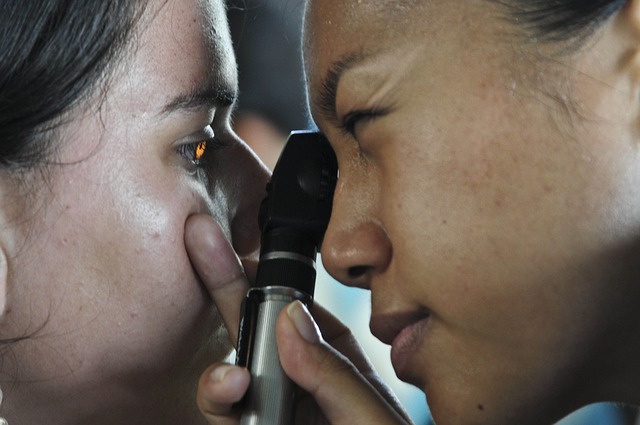
Lyme Disease Causes Vision Loss in 46-Year-Old Woman

Lyme Disease Causes Vision Loss in 46-Year-Old Woman Lyme disease can cause vision loss through optic neuritis—a rare but serious neurologic complication that may be mistaken for other conditions. This presentation is part of a broader pattern of eye symptoms of Lyme disease, which may reflect neurologic or inflammatory involvement of the visual system. A […]

Lyme Disease Causes Vision Loss in 46-Year-Old Woman Read More »

tired child with Lyme disease

Are We Dismissing Lyme Disease in Children?

Are We Dismissing Lyme Disease in Children? Recommendations for managing Lyme disease in children may underestimate the seriousness of persistent symptoms—particularly when treatment options are limited to symptom management alone. Neuropsychiatric manifestations of Lyme disease in children can be complex and, at times, dramatic. “Case reports of neuropsychological manifestations of Lyme disease include Alice in

Are We Dismissing Lyme Disease in Children? Read More »

How Concerned Are People About Tick Bites and Tick-Borne Diseases?

How Concerned Are People About Tick Bites and Tick-Borne Diseases? Public concern about tick bites varies widely—ranging from high anxiety to complete underestimation of risk. A study published in PLoS One found that 43% of respondents considered tick bites a “large or very large risk” to their health or their family’s health. Interestingly, this perceived

How Concerned Are People About Tick Bites and Tick-Borne Diseases? Read More »

Long-Term Problems in Lyme Neuroborreliosis: What Studies Show

Long-Term Problems in Lyme Neuroborreliosis: What Studies Show Long-term problems in Lyme neuroborreliosis (LNB) may be less severe at a population level—but individual patients can still experience meaningful declines in health and function. A large European study examined long-term survival, health, education, and social outcomes in patients with Lyme neuroborreliosis. Overall, the authors found no

Long-Term Problems in Lyme Neuroborreliosis: What Studies Show Read More »

6 Reasons for Delayed Treatment of Lyme Disease

6 Reasons for Delayed Treatment of Lyme Disease Delayed treatment of Lyme disease can lead to more severe symptoms and prolonged illness—yet many delays are preventable. Patients with recurrent Lyme disease and Lyme encephalopathy have reported waiting an average of two years before receiving treatment. A qualitative study by Hirsch and colleagues identified key reasons

6 Reasons for Delayed Treatment of Lyme Disease Read More »

Lyme Disease in Children Rising in Pennsylvania: An Inside Look<

Lyme Disease in Children Rising in Pennsylvania: An Inside Look Lyme disease in children is rising rapidly in Pennsylvania, with cases increasing exponentially and spreading beyond rural areas into suburban and urban communities. According to the CDC, nearly 38% of all reported Lyme disease cases in 2016 occurred in Pennsylvania. In addition, infected ticks are

Lyme Disease in Children Rising in Pennsylvania: An Inside Look< Read More »

Impact of Lyme Disease on Work and Caregiving

Impact of Lyme Disease on Work and Caregiving Lyme disease can significantly disrupt a patient’s ability to work and care for others—sometimes even before diagnosis and, in some cases, long after treatment. A qualitative study by Hirsch and colleagues highlights how Lyme disease affects daily functioning, productivity, and caregiving roles. Loss of Function Before and

Impact of Lyme Disease on Work and Caregiving Read More »

Lyme carditis symptoms

5 things to know about Lyme carditis

5 Things to Know About Lyme Carditis Lyme carditis can develop within weeks of infection and progress rapidly to life-threatening heart block. Recognizing symptoms—lightheadedness, fainting, shortness of breath, palpitations, and chest pain—is critical to prevent unnecessary pacemakers and even death. By Dr. Daniel Cameron What Is Lyme Carditis? Lyme carditis occurs when Borrelia burgdorferi infects

5 things to know about Lyme carditis Read More »

Bell's Palsy due to Lyme disease

Steroids May Be Harmful in Bell’s Palsy Caused by Lyme Disease

Steroids May Be Harmful in Bell’s Palsy Caused by Lyme Disease Corticosteroids are commonly prescribed for Bell’s palsy—but when the cause is Lyme disease, they may increase the risk of long-term facial nerve complications. By Dr. Daniel Cameron Steroids and Lyme-Related Facial Palsy A case series by Wormser and colleagues followed 11 patients with Lyme

Steroids May Be Harmful in Bell’s Palsy Caused by Lyme Disease Read More »

urning a Blind Eye on Lyme Disease

Turning a Blind Eye on Lyme Disease Lyme disease is often dismissed when it presents without classic signs—leading some patients to be overlooked despite significant, persistent symptoms. “Our ignorance is often unbearable and may lead us to turn a blind eye on non-lesional diseases,” writes Raoult. He argues that throughout medical history, some conditions were

urning a Blind Eye on Lyme Disease Read More »