
Contact us at 914-666-4665

Filter posts by category

Lyme Science Blog

The third rail of Lyme disease: how Borrelia bacteria persist

Borrelia Persistence: The “Third Rail” of Lyme Disease Borrelia persistence remains one of the most debated and controversial questions in Lyme disease. A growing number of researchers are now examining whether the bacteria can remain active after standard antibiotic treatment in patients who continue to experience symptoms. The working group, led by Dr. John Aucott

The third rail of Lyme disease: how Borrelia bacteria persist Read More »

Why Persistent Symptoms After Lyme Disease Are Often Dismissed

Why Persistent Symptoms After Lyme Disease Are Often Dismissed Persistent symptoms can continue after Lyme disease Some patients are labeled as having medically unexplained symptoms Testing limitations may contribute to missed or delayed diagnoses Persistent symptoms after Lyme disease remain a challenge for patients, families, and physicians. Fatigue, pain, cognitive difficulties, headaches, dizziness, and sleep

Why Persistent Symptoms After Lyme Disease Are Often Dismissed Read More »

Lyme disease consultations common in France

Lyme Disease in France: Only 10% Were Diagnosed Lyme disease remains a concern in France Only 10% of referred patients were ultimately diagnosed The study highlights challenges in Lyme disease diagnosis Lyme disease in France remains an important public health concern. In a review of more than 1,000 patients referred to specialized centers for presumed

Lyme disease consultations common in France Read More »

babesia early lyme

Babesia Early Lyme: When Co-infection Appears During Treatment

Babesia Early Lyme: When Co-infection Appears During Treatment Babesia early Lyme co-infection is more common than many clinicians realize. In a study of 52 patients with early Lyme disease, 4 (7.7%) had convincing evidence of Babesia microti co-infection, writes Wormser. These patients, along with 2 additional suspected cases, highlight why Babesia should be considered during

Babesia Early Lyme: When Co-infection Appears During Treatment Read More »

lab, medical, blood vials

Lyme Neuroborreliosis in Children Can Mimic Meningitis

Lyme Neuroborreliosis in Children Can Mimic Meningitis Lyme neuroborreliosis can resemble meningitis in children Diagnosis may be delayed by nonspecific symptoms Serologic testing may take time to confirm infection “The exact prevalence of NB [neuroborreliosis] in France is unknown because reporting is not required,” explains Guet-Revillet. “Nevertheless, the prevalence seems rare.” The outcome for the

Lyme Neuroborreliosis in Children Can Mimic Meningitis Read More »

boy, child, sitting, alone

Lyme pseudothrombophlebitis in a young child

Lyme Pseudothrombophlebitis Mimics Deep Vein Thrombosis in Child Child presented with severe calf pain Lyme pseudothrombophlebitis mimicked deep vein thrombosis Imaging and testing led to the correct diagnosis A young boy with Lyme disease presented with symptoms that closely resembled deep vein thrombosis (DVT), highlighting the importance of careful evaluation when children develop unexplained calf

Lyme pseudothrombophlebitis in a young child Read More »

Borrelia burgdorferi, spirochete, lyme disease

Lyme Disease Reinfection: Why It Happens

Can You Get Lyme Disease Twice? Why Reinfection Happens Another tick bite can matter Previous Lyme disease may not provide full protection Reinfection appears more common than many realize Many patients ask whether Lyme disease can return after treatment. In many cases, the answer is not relapse—it may be a completely new infection. Research suggests

Lyme Disease Reinfection: Why It Happens Read More »

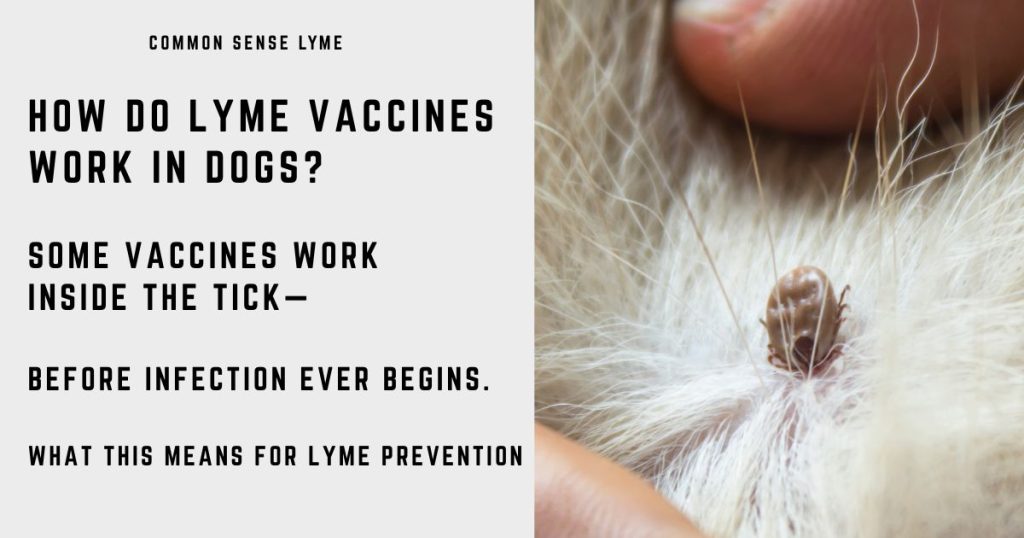
HOW DO LYME VACCINES WORK IN DOGS

How do Lyme disease vaccines work in dogs?

How Lyme Disease Vaccines Work in Dogs: Blocking Infection Before It Starts Lyme disease vaccines in dogs are designed to block transmission of Borrelia burgdorferi before infection can take hold. Lyme disease is the most common tick-borne disease affecting both humans and dogs. According to the Companion Animal Parasite Council, 319,000 canines tested positive in

How do Lyme disease vaccines work in dogs? Read More »

Can Cats Bring Ticks Into Your Home? Lyme Disease Risk

Can Cats Bring Ticks Into Your Home? Lyme Disease Risk CAN YOUR CAT BRING TICKS INTO YOUR HOME? MOST PET OWNERS DON’T REALIZE THE RISK Your cat looks healthy. No obvious signs of illness. But what if it’s carrying ticks—into your home? Quick Answer: Cats can bring ticks infected with Lyme disease and other pathogens

Can Cats Bring Ticks Into Your Home? Lyme Disease Risk Read More »