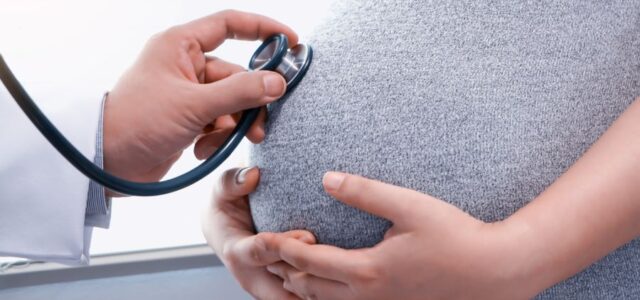
How Can Lyme Disease Affect Babies?
Lyme disease during pregnancy has raised concerns about possible effects on maternal health and infant outcomes. In a recent study examining Lyme disease pregnancy outcomes, researchers used an international cross-sectional survey to explore how Lyme disease occurring during or around pregnancy may affect both mothers and their children.
Participants were recruited primarily through a Lyme disease–focused organization, although eligibility was open to anyone over 18 years of age who had been pregnant. The study included individuals who developed Lyme disease symptoms after pregnancy as well as those who had symptoms before pregnancy but were not treated for Lyme disease for years.
Investigators compared individuals diagnosed with Lyme disease or probable Lyme disease with 200 participants (28%) who did not have Lyme disease.
Tick Exposure and Rash Recall
“Only 45% of diagnosed Lyme disease participants and 61% of suspected Lyme disease participants recalled a tick bite, and fewer than 40% noticed an erythema migrans rash,” wrote the authors.
Maternal Health During and After Pregnancy
Mothers who were more likely to have Lyme disease at the time of pregnancy reported higher rates of extreme fatigue, joint pain, fever of unknown origin, and postpartum depression compared with participants without Lyme disease.
However, the authors emphasized that the study could not determine whether these complications were directly related to Lyme disease, pregnancy itself, or other contributing factors.
Pregnancy and Neonatal Outcomes
Children born to mothers who were more likely to have Lyme disease during pregnancy did not differ from controls in several important pregnancy outcomes. These included gestational age at delivery, intrauterine growth restriction, congenital anomalies, and rates of hyperbilirubinemia.
Childhood Health Findings
The authors reported that children born to mothers who likely had Lyme disease during pregnancy demonstrated a wide range of health issues. These included musculoskeletal, gastrointestinal, orthopedic, cardiovascular, respiratory, sleep, skin rash, fever, concentration, sensory, and vision problems.
Importantly, the study could not determine whether these conditions were caused by Lyme disease, genetic factors, environmental exposures, or infections occurring after birth.
Study Limitations
The authors acknowledged several limitations. Participants were recruited largely through Lyme disease advocacy groups in North America, which may limit how broadly the findings apply.
Recall bias was also a concern, as many pregnancies occurred 10 to 70 years before the survey was completed. Because the study was cross-sectional, it cannot establish cause-and-effect relationships.
Clinical Implications
Despite these limitations, the authors concluded that the survey provides an important foundation for future research on Lyme disease in pregnancy.
They also suggested that treatment for Lyme disease before or during pregnancy may reduce the likelihood of severe health problems in newborns and children, although treatment may not eliminate all potential risks.
Related Articles:
Case series: No complications with Lyme disease and pregnancy
Can Lyme disease impact pregnancy outcomes?
Mother describes challenges in getting treatment for newborn with Lyme disease
References:
- Leavey K, MacKenzie RK, Faber S, et al. Lyme borreliosis in pregnancy and associations with parent and offspring health outcomes: An international cross-sectional survey. Front Med (Lausanne). 2022;9:1022766.
Dr. Daniel Cameron, MD, MPH
Lyme disease clinician with over 30 years of experience and past president of ILADS.
Symptoms • Testing • Coinfections • Recovery • Pediatric • Prevention
My son was born 24 years ago w/Lyme disease, he was diagnosed at 4 weeks old! Unbeknown to me I was positive for Lyme. I was bitten by a tick, probably 2 months before conception with my 1st pregnancy, that ended in a miscarriage. When the tick was removed I tested flase positive. There was never a rash, but I do remember the soreness on the bottom of my feet and joint pain. After 2 more unsuccessful pregnancies that all end in miscarriages. I became pregnant once again, this time was different there was 24 hours of morning sickness, very dizzy, carpal tunnel, headaches & gestational diabetes. Baby was full term and things appeared perfect. Until shortly after we came home my health went into a downward spiral. I had gotten to the point my husband had to care for our son. Desperately trying to figure out what was going on I went to Dr.after Dr. I was told I had postpartum went to a physiologist he said no. My PPC told my I was just ” not use to carrying extra weight & go on a diet!” It was at the baby’s 1 month check up his pediatrician Dr. Charles Jones noticed the changes in my health. He asked if I was ever bitten by a tick. This man saved my life!! He tested my son and sent me to the proper doctor.