
Lyme Disease and Sensitivity to Smell: Why Odors May Feel Stronger
Can Lyme disease affect your sense of smell? Some patients report heightened sensitivity to odors—known as hyperosmia—suggesting that Lyme disease may affect sensory pathways in addition to cognition and fatigue.
Lyme disease may alter more than joints, energy, and thinking—it may also change how the brain processes smell.
This pattern may reflect broader neurologic involvement, as seen in neurologic Lyme disease, where inflammation affects multiple sensory and cognitive systems.
Changes in smell have long been associated with neurologic conditions such as Alzheimer’s and Parkinson’s disease. More recently, researchers have explored links between olfactory disorders and autoimmune diseases, suggesting a broader connection between immune dysfunction and sensory changes.
Although many Lyme disease patients report unusual sensitivity to smells, formal research in this area has been limited.
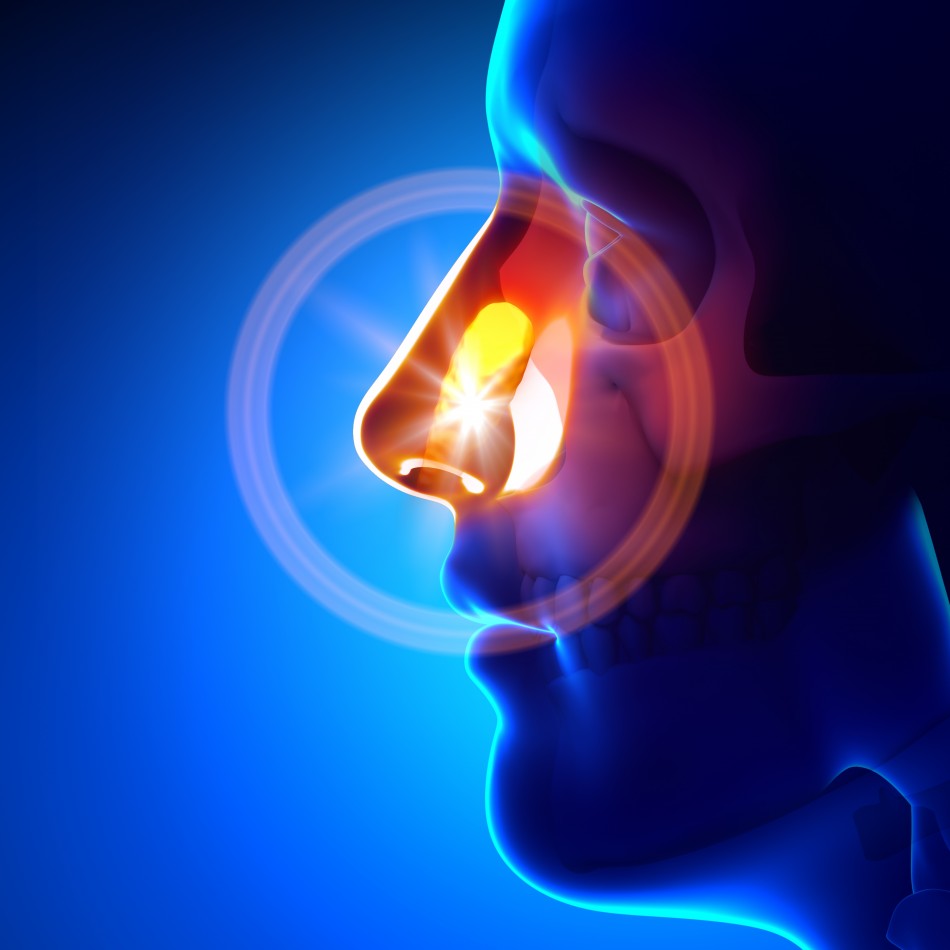
A study found that 50% of Lyme disease patients reported heightened sensitivity to smell.
Study Finds Increased Sensitivity to Smell
Researchers evaluated olfactory function in a small group of participants:
- 16 patients with confirmed Lyme disease
- 18 control subjects
The findings were notable:
- 50% of Lyme disease patients reported hyperosmia
- No control subjects reported similar symptoms
The study was published in the Arquivos de Neuro-Psiquiatria.
The authors concluded that the high prevalence of olfactory changes warrants further investigation, including whether hyperosmia improves with treatment.
Patient Reports Support the Findings
In an informal survey, many patients reported changes in their sense of smell after being diagnosed with Lyme disease.
While not a controlled study, these observations suggest that sensory changes may be more common than currently recognized.
Comparison With Other Conditions
Other chronic conditions are more commonly associated with the opposite pattern—a reduced sense of smell (hyposmia).
For example:
- 42% of patients with fibromyalgia experienced hyposmia
- 15% of patients with systemic sclerosis reported reduced smell
- Only 4% of healthy controls had similar findings
These differences highlight how various diseases can affect sensory pathways in distinct ways.
Why This Matters
Changes in smell may seem minor, but they can significantly affect daily life.
Heightened sensitivity to odors can interfere with eating, sleep, concentration, and quality of life.
In Lyme disease, these symptoms may reflect underlying neurologic or inflammatory processes rather than isolated sensory changes.
This pattern may also overlap with broader sensory and autonomic symptoms seen in autonomic dysfunction.
Clinical Perspective
Lyme disease is a multisystem illness with a wide range of neurologic and sensory manifestations.
Hyperosmia may be part of the broader neurologic picture—even though it is not widely recognized in standard diagnostic frameworks.
When symptoms such as heightened smell sensitivity occur alongside fatigue, brain fog, or dizziness, they may reflect a shared underlying process.
Further research is needed to better understand the mechanisms behind olfactory changes and their response to treatment.
Clinical Takeaway
Lyme disease may affect the sense of smell in some patients. Heightened sensitivity to odors may reflect underlying neurologic involvement rather than an isolated symptom.
Recognizing these patterns can help connect seemingly unrelated symptoms and support a more complete clinical evaluation.
Dr. Daniel Cameron, MD, MPH
Lyme disease clinician with over 30 years of experience and past president of ILADS.
Symptoms • Testing • Coinfections • Recovery • Pediatric • Prevention