Contact us at 914-666-4665

Dr. Daniel Cameron

Board-certified physician with 38+ years specializing in Lyme disease and tick-borne illnesses. Past President of ILADS (International Lyme and Associated Diseases Society) and first author of ILADS treatment guidelines. Dr. Cameron operates a solo practice focused on patient advocacy and evidence-based Lyme disease treatment. He is the author of 1,100+ articles spanning diagnosis, treatment, co-infections, and recovery from tick-borne illnesses. His work challenges conventional approaches that often leave patients undiagnosed or undertreated, emphasizing clinical judgment over rigid adherence to testing criteria that frequently produce false negatives.

Dr. Daniel Cameron

Autonomic Dysfunction Lyme Pain: Could It Explain CRPS?

Autonomic Dysfunction Lyme Pain: Could It Explain CRPS? Autonomic dysfunction Lyme pain may help explain severe, unexplained pain syndromes such as complex regional pain syndrome (CRPS) in patients with Lyme disease. The article published in Clinical Autonomic Research cites several cases demonstrating how infections can affect the autonomic nervous system. In one case, a 46-year-old […]

Autonomic Dysfunction Lyme Pain: Could It Explain CRPS? Read More »

Lyme Disease Suicidal Behaviors: Psychiatric Risks Explained

Lyme Disease Suicidal Behaviors: Psychiatric Risks Explained Lyme disease suicidal behaviors have been reported in clinical studies, raising concern about the psychiatric impact of Lyme and associated diseases. In a 1990 report, Logigian and colleagues from Tufts University School of Medicine described rage and behavioral changes in patients with chronic neurologic Lyme disease symptoms. “Eight

Lyme Disease Suicidal Behaviors: Psychiatric Risks Explained Read More »

uveitis lyme disease

Lyme Disease Uveitis: Steroid Resistance and Diagnostic Clues

Lyme Disease Uveitis: Steroid Resistance and Diagnostic Clues Lyme disease uveitis may be underrecognized and should be considered in patients with unexplained, steroid-resistant eye inflammation. A retrospective study of 430 patients with uveitis identified seven cases of Lyme-associated uveitis. All seven patients showed steroid resistance but responded rapidly to antibiotic treatment. The study included patients

Lyme Disease Uveitis: Steroid Resistance and Diagnostic Clues Read More »

Could Lyme Disease Be Linked to Guillain-Barre Syndrome?

Could Lyme Disease Be Linked to Guillain-Barre Syndrome? Lyme disease Guillain-Barre syndrome may represent an underrecognized association, raising questions about whether infection can trigger immune-mediated neuropathy. In the case study Clinical association: Lyme disease and Guillain-Barre Syndrome, the authors highlight Borrelia burgdorferi as a potential antecedent infection associated with the development of GBS. [1] The

Could Lyme Disease Be Linked to Guillain-Barre Syndrome? Read More »

Babesia cases Wisconsin

Babesia Cases Skyrocket in Wisconsin with 26-Fold Increase

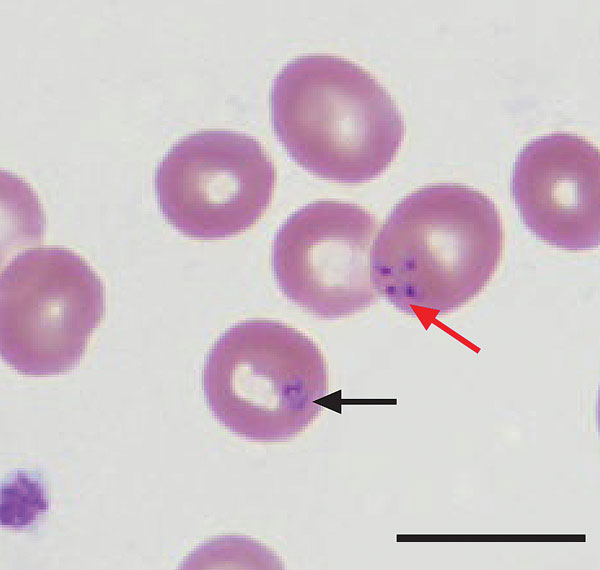
Babesia Cases Skyrocket in Wisconsin with 26-Fold Increase Babesia cases Wisconsin have increased significantly over time, with reports showing both rising incidence and geographic expansion. Between 2001 and 2015, Babesia cases in Wisconsin increased 26-fold. “There was a 26-fold increase in the incidence of confirmed babesiosis, in addition to geographic expansion,” according to MMWR. Factors

Babesia Cases Skyrocket in Wisconsin with 26-Fold Increase Read More »

Fibromyalgia Quality of Life: Challenges Beyond Pain

Fibromyalgia Quality of Life: Challenges Beyond Pain Fibromyalgia quality of life may be significantly affected by chronic pain, fatigue, and cognitive symptoms, contributing to emotional and psychological burden. Clinicians have noted lower levels of gratitude and reduced quality of life among fibromyalgia patients compared with individuals living with other chronic illnesses. Gratitude has been associated

Fibromyalgia Quality of Life: Challenges Beyond Pain Read More »

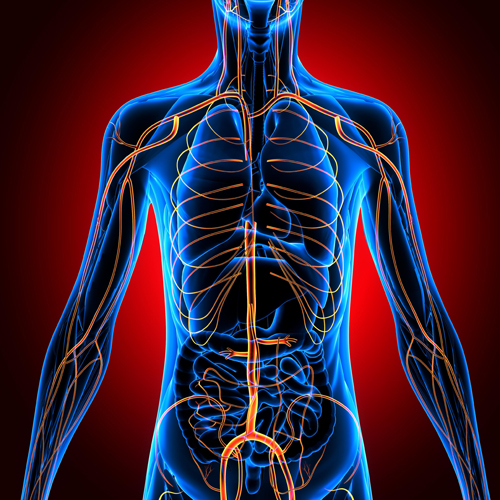
Lyme disease multiple body systems

Can Personalized Lyme Care Help Address the Limits of Clinical Guidelines?

Can Personalized Lyme Care Help Address the Limits of Clinical Guidelines? Personalized Lyme care reflects a broader challenge in medicine: applying standardized guidelines to complex, individual patients. A study published in the Journal of Hospital Medicine found that physicians across specialties often struggle to follow rigid clinical guidelines when treating real-world patients. Doctors Question Guideline-Based

Can Personalized Lyme Care Help Address the Limits of Clinical Guidelines? Read More »

Could Borrelia DNA Persistence Explain Ongoing Lyme Symptoms?

Could Borrelia DNA Persistence Explain Ongoing Lyme Symptoms? Borrelia DNA persistence may help explain why some patients continue to experience symptoms even after standard Lyme disease treatment. In the article “Doctor Says You Are Cured, But You Still Feel the Pain,” Cervantes explores how persistent bacterial DNA may contribute to ongoing illness. This research challenges

Could Borrelia DNA Persistence Explain Ongoing Lyme Symptoms? Read More »

Could low-dose naltrexone help Lyme disease patients?

Could Low-Dose Naltrexone Help Lyme Disease Patients? Low-dose naltrexone Lyme disease treatment is being explored as a potential way to reduce inflammation and improve symptoms in chronic illness. A pilot study examining low-dose naltrexone (LDN) in fibromyalgia provides insight into how this therapy might affect inflammatory pathways relevant to Lyme disease. In a 10-week, single-blind

Could low-dose naltrexone help Lyme disease patients? Read More »

One Tick Bite: Multiple Tick-Borne Diseases to Consider

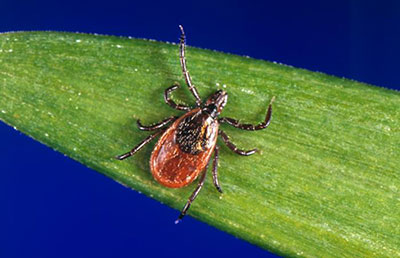
One Tick Bite: Multiple Tick-Borne Diseases to Consider Tick-borne diseases one bite is an important concept, as a single tick exposure may transmit more than one infection. Professor Durland Fish, an epidemiologist at Yale School of Public Health, highlights the importance of recognizing multiple infections that can follow a single tick bite. [1] These include:

One Tick Bite: Multiple Tick-Borne Diseases to Consider Read More »