
Contact us at 914-666-4665

Dr. Daniel Cameron

Dr. Daniel Cameron is a board-certified physician and epidemiologist specializing in Lyme disease and tick-borne illnesses. He is a past president of ILADS and has contributed to Lyme disease treatment guidelines, with a clinical focus on diagnosis, testing limitations, and complex cases.

Dr. Daniel Cameron
airport, plane, travelers

Lyme Disease Risk for International Travelers to the United States

Lyme Disease Risk for International Travelers to the United States Lyme disease remains a significant risk for international travelers visiting the United States, particularly in endemic regions. “Despite being a top international tourist destination, few sources describe the spectrum of infectious diseases acquired among travellers to the USA,” writes Stoney in the Journal of Travel […]

Lyme Disease Risk for International Travelers to the United States Read More »
Citizen scientists help uncover growing risk of Babesia

Babesia and Lyme Coinfection Risk: What a National Tick Study Reveals Ticks submitted by the public Coinfections are common Babesia is spreading beyond expected regions Risk may be underestimated Babesia and Lyme coinfection risk may be higher—and more widespread—than many clinicians realize. A national study using citizen science data provides a broader look at human

Citizen scientists help uncover growing risk of Babesia Read More »

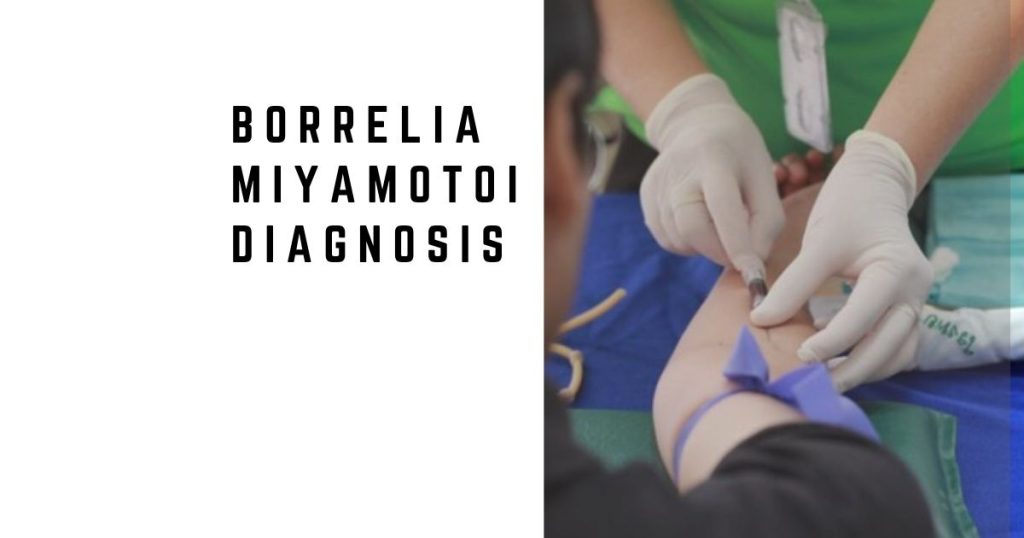
Borrelia miyamotoi Diagnosis

Borrelia miyamotoi Diagnosis: Challenges for Clinicians

Borrelia miyamotoi Diagnosis: Challenges for Clinicians Borrelia miyamotoi diagnosis remains challenging, as symptoms often overlap with Lyme disease and standard testing may miss the infection. Borrelia miyamotoi is a relapsing fever spirochete transmitted by the same ticks that carry Lyme disease. Despite this shared vector, the infection is frequently overlooked in clinical practice. Why Borrelia

Borrelia miyamotoi Diagnosis: Challenges for Clinicians Read More »

Double Vision Lyme Disease: When Eye Symptoms Signal Neuroborreliosis

Double Vision Lyme Disease: When Eye Symptoms Signal Neuroborreliosis Double vision can signal neurologic Lyme disease Cranial nerves may be affected Early treatment often leads to recovery Quick Answer: Double vision in Lyme disease may indicate neuroborreliosis affecting cranial nerves. Although rare, this condition is often reversible with timely antibiotic treatment. Double vision Lyme disease

Double Vision Lyme Disease: When Eye Symptoms Signal Neuroborreliosis Read More »

Borrelia miyamotoi transovarial

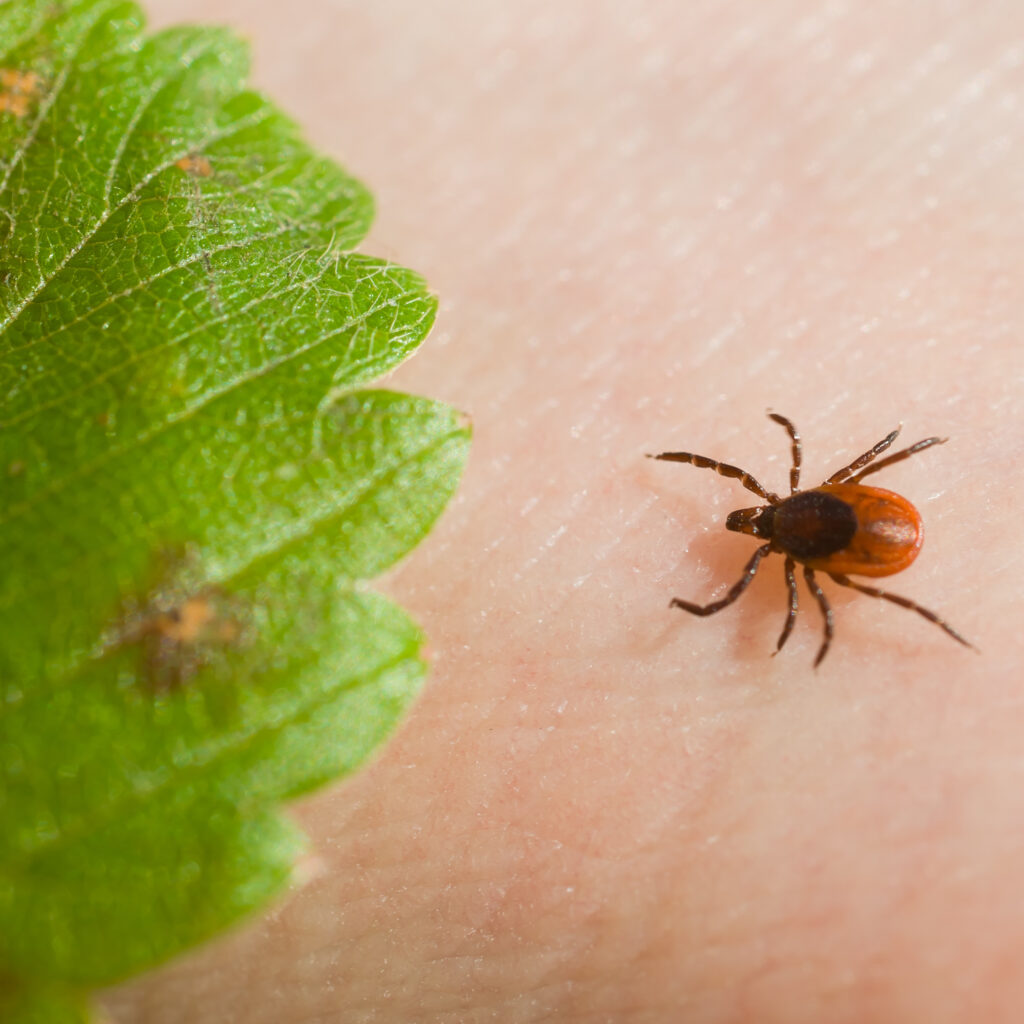
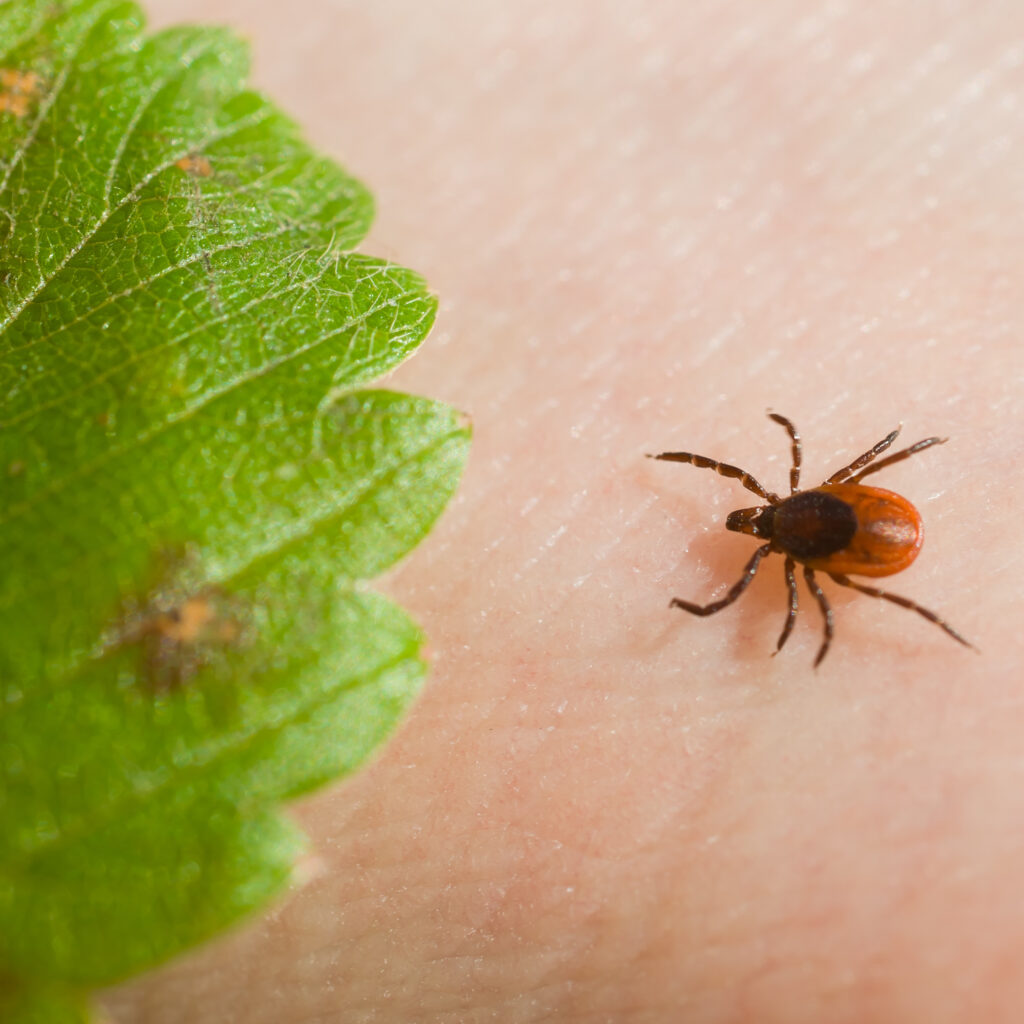
Larval Deer Ticks Can Transmit Borrelia miyamotoi

Larval Deer Ticks Can Transmit Borrelia miyamotoi Borrelia miyamotoi transovarial transmission means larval deer ticks can be infected at birth—making them a previously underrecognized risk. Unlike Lyme disease, where larval ticks are typically not infected, Borrelia miyamotoi can be passed from adult ticks to their offspring through transovarial transmission. This means larvae may already carry

Larval Deer Ticks Can Transmit Borrelia miyamotoi Read More »

7 Tick-Borne Pathogens Identified in Minnesota

7 Tick-Borne Pathogens Identified in Minnesota Tick-borne pathogens in Minnesota include at least seven infectious agents—highlighting the growing complexity of tick exposure in this region. A study published in Ticks and Tick-borne Diseases analyzed 1,240 host-seeking Ixodes scapularis (black-legged) nymphal ticks collected in Minnesota. Researchers identified seven pathogens: Borrelia burgdorferi sensu stricto (Lyme disease) Borrelia

7 Tick-Borne Pathogens Identified in Minnesota Read More »

negative Lyme test later positive

Case demonstrates importance of follow-up with Lyme disease patients

Case Demonstrates Importance of Follow-Up Testing in Lyme Disease Follow-up testing can be critical when Lyme disease is suspected despite an initial negative test. This case report highlights how Lyme neuroborreliosis was confirmed only after repeat testing and spinal fluid evaluation. Neurologic symptoms such as confusion, gait instability, and cognitive changes are discussed further in

Case demonstrates importance of follow-up with Lyme disease patients Read More »

Is Lyme Disease Spreading to Tennessee and the Southeast?

Is Lyme Disease Spreading to Tennessee and the Southeast? Think Lyme disease is only a Northeast problem? New studies suggest otherwise. The map may be changing. Lyme disease in Tennessee has historically been considered uncommon. However, newer studies suggest that both infected ticks and human cases are expanding into the Southeast. This shift has important

Is Lyme Disease Spreading to Tennessee and the Southeast? Read More »

Lyme Disease Mimics Autoimmune Disorder in Elderly Woman

Lyme Disease Mimics Autoimmune Disorder in Elderly Woman Lyme disease can mimic autoimmune disorders such as dermatomyositis—leading to potential misdiagnosis and delayed treatment. A case report highlights a 76-year-old woman who presented with fatigue, malaise, weight loss, and progressive proximal muscle weakness following a flare of shoulder arthritis. Her clinical presentation was consistent with dermatomyositis

Lyme Disease Mimics Autoimmune Disorder in Elderly Woman Read More »

Should the Name “Lyme Disease” Be Changed?

Should the Name “Lyme Disease” Be Changed? An infectious disease expert has proposed renaming Lyme disease—but the question remains whether a new name would improve diagnosis or create more confusion. Lyme disease was first described in 1977 as “Lyme arthritis,” after a cluster of cases in Connecticut. By 1979, the name was changed to Lyme

Should the Name “Lyme Disease” Be Changed? Read More »