Contact us at 914-666-4665

Filter posts by category

AI

ai

High prevalence of Babesia microti in Suffolk County, New York

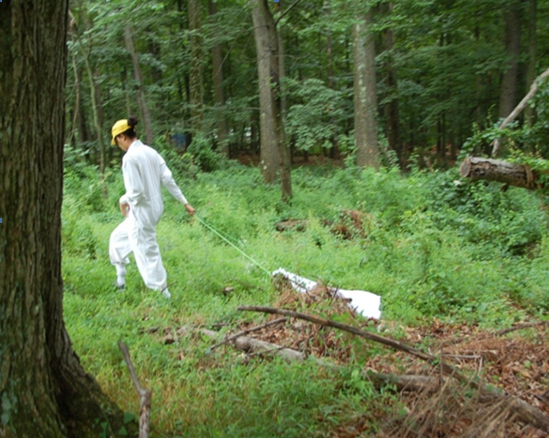
Babesia microti is a growing concern in Suffolk County, New York. Ticks were collected in 2015 and 2016 by tick dragging at 5 sites in Suffolk County (Southampton, Mannorville, Southold, Islip, and Huntington) and 3 sites in Connecticut (Mansfield in Tolland County and Stamford and Greenwich in Fairfield County). “As expected, B. burgdorferi (Bb) was […]

High prevalence of Babesia microti in Suffolk County, New York Read More »
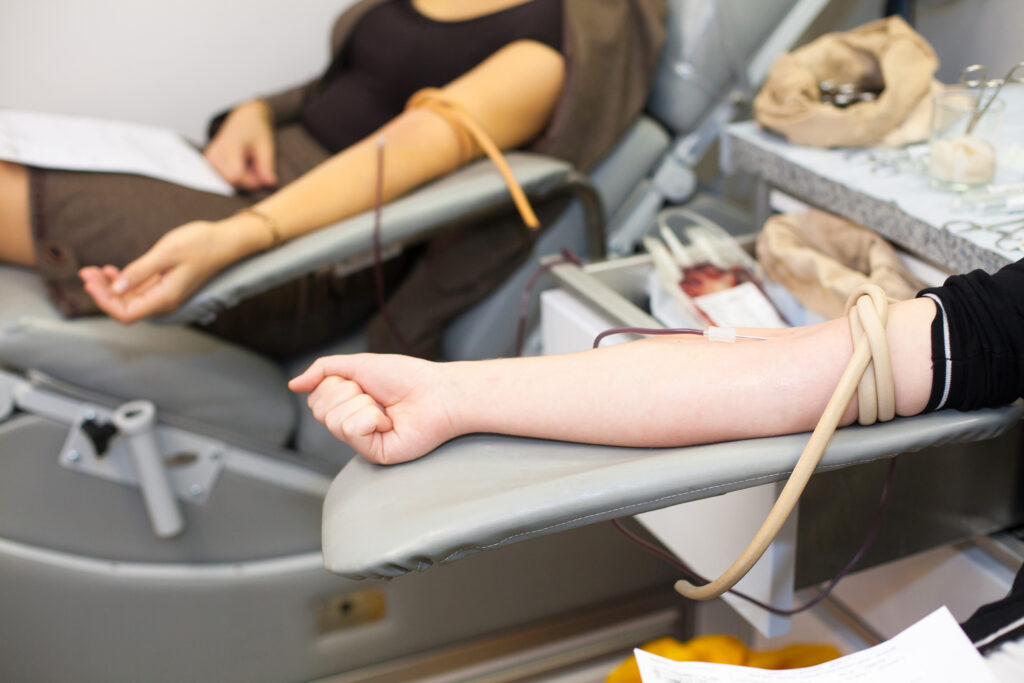
Transfusion-Transmitted Babesiosis: Cases in Non-Endemic States

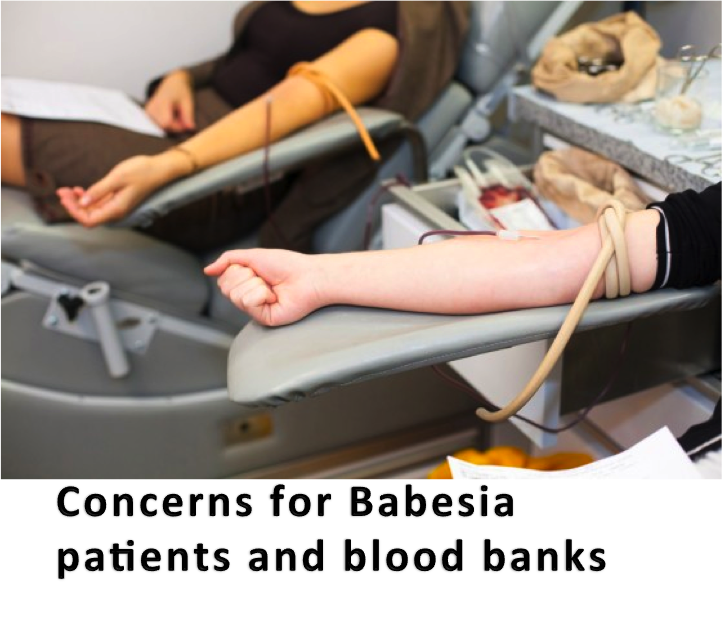
Transfusion-transmitted babesiosis (TTB) is a growing concern — even in states where Babesia isn’t endemic. Cases have been reported in Maryland, South Carolina, and Nebraska, serving as a reminder that blood supply safety extends beyond traditional tick-borne disease hotspots. “Serve as a reminder of the potential for TTB, especially in states not endemic for Babesia,”

Transfusion-Transmitted Babesiosis: Cases in Non-Endemic States Read More »

Babesia cases Wisconsin

Babesia Cases Skyrocket in Wisconsin with 26-Fold Increase

Babesia cases in Wisconsin skyrocketed between 2001 and 2015. “There was a 26-fold increase in the incidence of confirmed babesiosis, in addition to geographic expansion,” according to MMWR. The report listed suburbanization, forest fragmentation patterns, and warming average temperatures as potential causes behind the surge. The rising prevalence of co-infections in rodents may also be

Babesia Cases Skyrocket in Wisconsin with 26-Fold Increase Read More »

personalized Lyme care

Personalized Lyme Care: Why Doctors Question Rigid Guidelines

Personalized Lyme care is often dismissed by mainstream medicine — but a recent study shows that doctors across specialties struggle to follow rigid clinical guidelines when treating real patients. Doctors Question Guideline-Based Care A recent study in the Journal of Hospital Medicine examines doctors’ knowledge and acceptance of antibiotic-prescribing guidelines for 3 common illnesses: a

Personalized Lyme Care: Why Doctors Question Rigid Guidelines Read More »

Borrelia miyamotoi relapsing fever

Borrelia Miyamotoi Relapsing Fever: Not a Reliable Sign

Borrelia miyamotoi relapsing fever is not a reliable diagnostic sign. Despite having the genetic apparatus, B. miyamotoi typically does not manifest with a relapsing fever. “Although evidence of antigenic variation, which drives the relapsing course of other relapsing fevers due to borrelia has not been demonstrated clinically or in an animal system thus far for

Borrelia Miyamotoi Relapsing Fever: Not a Reliable Sign Read More »

Borrelia miyamotoi travelers

Borrelia Miyamotoi Travelers: Imported Case Report

Borrelia miyamotoi travelers should be aware of this emerging tick-borne disease. Doctors described a case of BMD in a previously healthy 63-year-old American man living in Japan. “He reported being bitten by ticks several times while staying with his family at his summer house in the state of Minnesota in the USA from July 25

Borrelia Miyamotoi Travelers: Imported Case Report Read More »

Borrelia miyamotoi urban

Borrelia Miyamotoi Urban Areas: Ticks Expanding Into Cities

Questing ticks were collected from grassland, hedges, parks, woodland and woodland edges in Salisbury, an urban area located in Wiltshire, England. Ticks were identified at over 50% of the 25 sites surveyed. Furthermore, investigators reported that the collected ticks carried two pathogens posing a health risk to the public. The “DNA of Borrelia burgdorferi s.l.

Borrelia Miyamotoi Urban Areas: Ticks Expanding Into Cities Read More »

Babesia Undertesting: Why Only 3% of Tick Patients Get Screened

Babesia undertesting is a significant problem in tick-borne disease management. A study examining nearly 3 million specimens found that only 3% involved testing for Babesia—yet research shows up to 30% of Lyme disease patients may be co-infected. Babesia Undertesting: The Numbers When data was collected from 7 large commercial laboratories, results indicated that out of

Babesia Undertesting: Why Only 3% of Tick Patients Get Screened Read More »

Lyme Literate Doctor: Defending Evidence-Based Care

Lyme literate doctor criticism surfaced in a 2016 JAMA article for prescribing prolonged antibiotics to a patient with Lyme disease and Babesia. The authors used a rare adverse drug reaction to attack individualized care — while ignoring critical gaps in their own argument. The Case: DRESS Syndrome After Lyme Treatment The case report describes an

Lyme Literate Doctor: Defending Evidence-Based Care Read More »

Babesia Sweats and Coinfection: Why Symptoms Last Longer

Babesia sweats are a common symptom—but they’re just one piece of the puzzle. When patients have both Babesia and Lyme disease, they’re sicker for longer. A landmark study found that 50% of co-infected patients were symptomatic for 3 months or more, compared to just 4% of those with Lyme disease alone. Babesia Sweats and Other

Babesia Sweats and Coinfection: Why Symptoms Last Longer Read More »