
Contact us at 914-666-4665

Filter posts by category

Lyme Science Blog

Can Lyme Disease Affect Your Eyes? Vision Problems and Eye Symptoms

Can Lyme Disease Affect Your Eyes? Vision Problems and Eye Symptoms Vision symptoms may occur with tick-borne diseases Eye problems can complicate diagnosis Symptoms may involve nerves, inflammation, or infection Lyme disease eye symptoms can include blurred vision, double vision, eye pain, light sensitivity, and neurologic eye problems—though these symptoms are often overlooked. Patients frequently […]

Can Lyme Disease Affect Your Eyes? Vision Problems and Eye Symptoms Read More »

Babesia Testing in Lyme Disease: Why Coinfections Are Missed

Babesia Testing in Lyme Disease: Why Coinfections Are Missed Babesia coinfections are common Testing may be overlooked in Lyme disease patients Missed diagnosis can affect treatment decisions Babesia testing in Lyme disease remains inconsistent despite evidence that coinfections are common in endemic regions.1,4 A recent study published in Vector-Borne and Zoonotic Diseases examined the seroprevalence

Babesia Testing in Lyme Disease: Why Coinfections Are Missed Read More »

DOES THIS LOOK LIKE PARKINSON’S DISEASE

Lyme Meningitis Presenting as Parkinsonism: A Reversible Cause

Lyme Meningitis and Parkinsonism: A Reversible Cause of Parkinson-Like Symptoms Lyme meningitis can mimic Parkinson’s disease with tremor, slowed movement, gait changes, and reduced facial expression. Subacute neurologic symptoms with headache and tick exposure may suggest an infectious cause. In selected cases, Parkinson-like symptoms may improve following appropriate antibiotic treatment. A reported case highlights Lyme

Lyme Meningitis Presenting as Parkinsonism: A Reversible Cause Read More »

WHY AM I LOSING MY HAIR

Hair Loss in Lyme Disease: Why It Happens and Will It Grow Back?

Hair Loss in Lyme Disease: Why It Happens and Will It Grow Back? Can Lyme disease cause hair loss—and will it grow back? Some patients develop sudden hair loss during infection or recovery, often without a clear explanation. In many cases, the hair does return, but the pattern can be confusing and distressing. Hair loss

Hair Loss in Lyme Disease: Why It Happens and Will It Grow Back? Read More »

Lyme Literate Doctors and the Challenge of Individualized Care

Lyme Literate Doctors and the Challenge of Individualized Care Debate over “Lyme-literate doctors” often centers on treatment decisions in complex cases. A 2016 JAMA article highlighted concerns about prolonged antibiotic therapy following a reported adverse drug reaction. :contentReference[oaicite:0]{index=0} The Case: DRESS Syndrome After Treatment The case involved a 45-year-old woman treated for Lyme disease and

Lyme Literate Doctors and the Challenge of Individualized Care Read More »

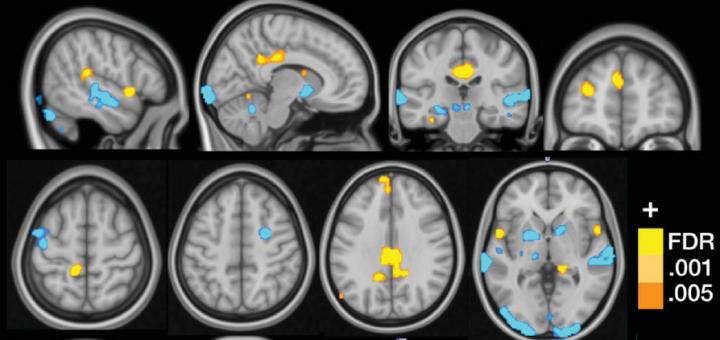
Credit: Cognitive and Affective Control Laboratory / University of Colorado Boulder.

Can we measure the brain’s exaggerated response to pain and sensory input?

Central Sensitization in Lyme Disease: Why Pain and Sensory Input Feel Amplified Pain signals may become amplified Sensory input may feel overwhelming Central sensitization may explain persistent symptoms Many Lyme disease patients describe symptoms that extend beyond infection itself. Pain may feel disproportionate to examination findings. Light, sound, touch, and movement may become difficult to

Can we measure the brain’s exaggerated response to pain and sensory input? Read More »

Lyme-Like Illness in Brazil: Similar Challenges in Diagnosis and Recognition

Brazilian Lyme Disease Syndrome: Why Symptoms Are Often Missed Brazilian Lyme disease may resemble chronic Lyme disease. Symptoms can recur over time. Diagnosis and treatment remain controversial. Brazilian Lyme disease syndrome—also known as Baggio-Yoshinari syndrome (BYS)—shares many similarities with Lyme disease seen in North America and Europe. Patients may experience fatigue, neurologic symptoms, joint pain,

Lyme-Like Illness in Brazil: Similar Challenges in Diagnosis and Recognition Read More »

Lyme Disease Hemifacial Spasm: When Facial Twitching Has an Infectious Cause

Lyme Disease Hemifacial Spasm: When Facial Twitching Has an Infectious Cause Facial twitching may not be benign Testing can be negative early Symptoms may persist for years Infection may be the missing cause Lyme disease hemifacial spasm is a rare but important neurologic presentation. A case report illustrates how unexplained facial twitching may be linked

Lyme Disease Hemifacial Spasm: When Facial Twitching Has an Infectious Cause Read More »

Seizures and Altered Mental Status After a Tick Bite

Can a Tick Bite Cause Seizures? Ehrlichiosis and Altered Mental Status Western blot Lyme testing was restricted in 2014, creating a barrier to diagnosis. Screening tests miss a substantial number of early Lyme cases. Access has since been restored, but the fundamental diagnostic limitations remain. Can a tick bite cause seizures or confusion? Yes. Tick-borne

Seizures and Altered Mental Status After a Tick Bite Read More »

Does Lyme Disease Cause Fatigue? Why It Can Be Severe and Persistent

Does Lyme Disease Cause Fatigue? Why It Can Be Severe and Persistent Fatigue can be severe in Lyme disease Symptoms may persist beyond early infection Inflammation and neurologic involvement may contribute Many patients ask, “Can Lyme disease cause fatigue?” Fatigue is among the most common symptoms reported in early Lyme disease, persistent Lyme symptoms, and

Does Lyme Disease Cause Fatigue? Why It Can Be Severe and Persistent Read More »