
Contact us at 914-666-4665

Filter posts by category

Lyme Science Blog

Top 10 Lyme Disease Blogs of 2018

Top 10 Lyme Disease Blogs of 2018 From missed diagnoses to persistent symptoms, these were the most-read Lyme disease blogs of 2018. These posts highlight the clinical challenges, diagnostic pitfalls, and real-world experiences that continue to shape Lyme disease care. Lyme disease misdiagnosed as shingles Case report: A patient initially diagnosed with shingles was ultimately […]

Top 10 Lyme Disease Blogs of 2018 Read More »

lab, microscope, testing

Lyme Disease Challenges the One Microbe One Disease Model

Lyme Disease Challenges the “One Microbe, One Disease” Model Lyme disease often involves multiple microbes—not just a single infection. The traditional “one microbe, one disease” model does not fully explain the complexity of tick-borne illnesses. With the recognition of tick-borne co-infections, Lyme disease is increasingly understood as a polymicrobial condition. Evidence for Multiple Infections Co-infections

Lyme Disease Challenges the One Microbe One Disease Model Read More »

Canada, flag

Lyme Disease Under-Detection in Canada: Why Cases Are Missed

Lyme Disease Under-Detection in Canada: Why Cases Are Missed Lyme disease may be significantly under-detected in Canada—far beyond previous estimates. Researchers estimate that under-detection of Lyme disease in Canada exceeds the commonly cited 10-fold underreporting seen in the United States. In one analysis from New Brunswick, only 1.7% to 8.3% of cases were identified—suggesting a

Lyme Disease Under-Detection in Canada: Why Cases Are Missed Read More »

Over 20% of Lyme Disease Patients Remain Ill After Treatment

Over 20% of Lyme Disease Patients Remain Ill After Treatment A significant number of Lyme disease patients continue to experience symptoms despite standard antibiotic treatment. Researchers analyzed 9,657 Lyme disease cases using electronic health records from a large health system in Pennsylvania. The goal was to estimate how many patients developed persistent symptoms following treatment.

Over 20% of Lyme Disease Patients Remain Ill After Treatment Read More »

pills, medicine

Lyme Disease Misdiagnosis and Delayed Diagnosis Are Common

Lyme Disease Misdiagnosis and Delayed Diagnosis Are Common Many Lyme disease patients face years of misdiagnosis before receiving the correct diagnosis. A study by Johnson and colleagues analyzed data from 3,903 participants in the MyLymeData registry, highlighting significant delays in diagnosis and frequent misdiagnosis. Long Delays Before Diagnosis More than half of patients reported prolonged

Lyme Disease Misdiagnosis and Delayed Diagnosis Are Common Read More »

Babesia clinical diagnosis

Babesia Clinical Diagnosis When Tests Fail

Babesia Clinical Diagnosis When Tests Fail Babesia clinical diagnosis may be necessary when laboratory tests fail to confirm infection. When Laboratory Confirmation Fails Clinical Reality Investigators from ISDH and the Centers for Disease Control and Prevention (CDC) examined specimens from 14 patients diagnosed with Lyme disease and B. microti. They tested for Babesia infection by

Babesia Clinical Diagnosis When Tests Fail Read More »

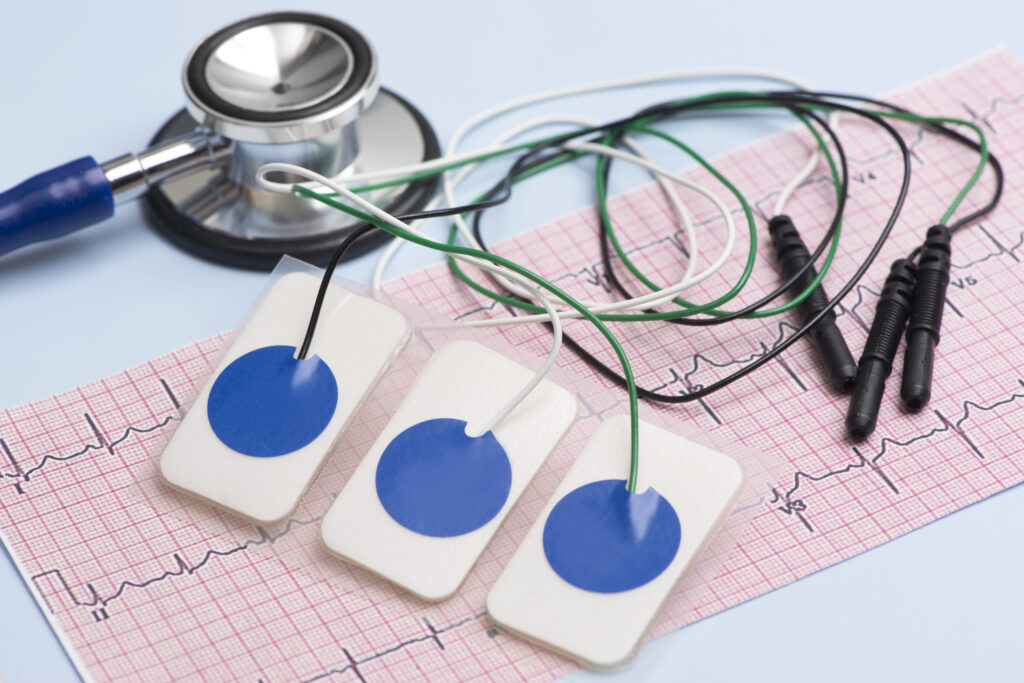
heart test, cardiac, ekg

Severe Lyme Carditis in an Adolescent: A 15-Year-Old Boy

Severe Lyme Carditis in a 15-Year-Old Boy Severe Lyme carditis in an adolescent can present with life-threatening arrhythmias requiring emergency intervention. A 15-year-old boy with a heart rate of 300 beats per minute developed ventricular tachycardia requiring cardioversion and temporary pacing. After antibiotic treatment, his heart block resolved completely, and he remained symptom-free at one-year

Severe Lyme Carditis in an Adolescent: A 15-Year-Old Boy Read More »

African-American, man, student

Could race affect the diagnosis and treatment of Lyme disease?

Could Race Affect the Diagnosis and Treatment of Lyme Disease? Race and Lyme disease diagnosis may influence delays in care, access to treatment, and clinical outcomes. Using data from Geisinger electronic medical records, researchers identified 9,657 Lyme disease cases diagnosed between 2006 and 2014 in central and northeastern Pennsylvania. Are African-Americans less likely to be

Could race affect the diagnosis and treatment of Lyme disease? Read More »

Babesia clinical presentations

Babesia Clinical Presentations: A Case of Variable Symptoms

Babesia Clinical Presentations: A Case of Variable Symptoms Babesia clinical presentations can vary widely, ranging from mild symptoms to severe neurologic and systemic illness. A woman was admitted to the emergency room with fever, chills, lethargy, fatigue, and marked changes in sensorium. Clinicians initially suspected sepsis, but she was later diagnosed with concurrent Babesia and

Babesia Clinical Presentations: A Case of Variable Symptoms Read More »

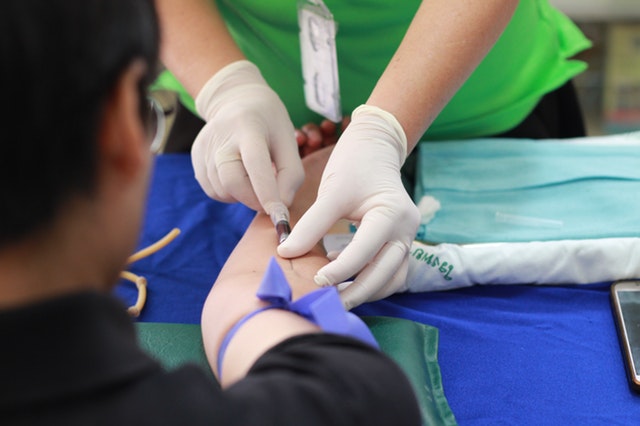
blood transfusion, blood donor, blood bank

Could a blood transfusion transmit Lyme disease?

Could a Blood Transfusion Transmit Lyme Disease? Lyme disease blood transfusion risk remains theoretical but biologically plausible. Lyme disease is primarily transmitted through tick bites. However, researchers have questioned whether Borrelia burgdorferi could also be transmitted through blood transfusion. Studies have shown that Borrelia can survive in stored blood under certain conditions. This raises concern

Could a blood transfusion transmit Lyme disease? Read More »