Contact us at 914-666-4665

Filter posts by category

Lyme Science Blog

CDC Expands Lyme Disease Guidance to Emerging States

CDC Expands Lyme Disease Guidance to Emerging States Lyme disease is no longer confined to traditionally high-incidence regions. As case numbers rise in neighboring states, the CDC now advises clinicians to consider Lyme disease beyond historically endemic areas. Previously, the CDC focused on 14 high-incidence states in the Northeast, mid-Atlantic, and upper Midwest. These included […]

CDC Expands Lyme Disease Guidance to Emerging States Read More »

Lyme Disease Patients Call for Greater Participation in Clinical Trials

Lyme Disease Patients Call for Greater Participation in Clinical Trials Advancing Lyme disease care depends on better research—and that requires greater patient participation. To date, only a small number of National Institutes of Health (NIH)-sponsored trials have included chronically ill Lyme disease patients. These studies were limited in size and often enrolled patients years after

Lyme Disease Patients Call for Greater Participation in Clinical Trials Read More »

Depression in Lyme Disease Patients: A Common but Overlooked Symptom

Depression in Lyme Disease Patients: A Common but Overlooked Symptom Depression is a frequent but often underrecognized feature of Lyme disease. Zomer and colleagues found that approximately 1 in 5 patients referred to a tertiary Lyme center in the Netherlands were diagnosed with both Lyme disease and depression. Findings from the Study The study evaluated

Depression in Lyme Disease Patients: A Common but Overlooked Symptom Read More »

Can Lyme Disease Cause Pseudotumor Cerebri?

Can Lyme Disease Cause Pseudotumor Cerebri? Pseudotumor cerebri may rarely occur with Lyme disease. Symptoms can include headaches, nausea, and papilledema. Pediatric Lyme neuroborreliosis may mimic other neurologic disorders. Individuals with pseudotumor cerebri develop increased intracranial pressure — pressure around the brain — without evidence of a brain tumor or another obvious structural cause. Symptoms

Can Lyme Disease Cause Pseudotumor Cerebri? Read More »

Lyme neuroborreliosis in children symptoms

Can Lyme Disease Cause Stroke in Children? A Lyme Neuroborreliosis Case

Can Lyme Disease Cause Stroke in Children? A Lyme Neuroborreliosis Case Rare neurologic complication in a child Lyme neuroborreliosis with stroke and cerebral vasculitis Recovery after diagnosis and treatment Neurologic Lyme disease is reported in up to 15% of adults with Lyme disease and may be even more common in children. Although uncommon, Lyme neuroborreliosis

Can Lyme Disease Cause Stroke in Children? A Lyme Neuroborreliosis Case Read More »

Persister cells still a problem for Lyme disease patients

Borrelia Persister Cells: Can Lyme Disease Persist? Persistent symptoms remain controversial Borrelia persister cells may survive hostile conditions Persistence research continues to shape Lyme treatment discussions Research into borrelia persister cells has expanded significantly over the last decade as investigators try to understand why some patients continue experiencing symptoms after treatment. Many patients searching for

Persister cells still a problem for Lyme disease patients Read More »

neonatal babesiosis

Premature Infants Contract Babesia From Blood Transfusions

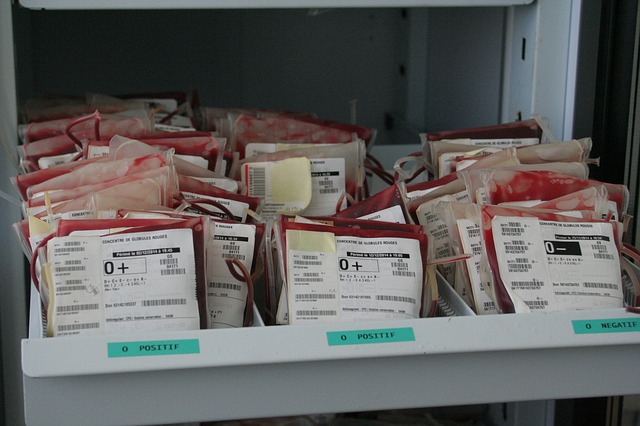
Premature Infants Contract Babesia From Blood Transfusions Three premature infants contracted Babesia from a single blood donor. The cases highlight challenges screening blood donors for babesiosis. One infant relapsed more than a month after treatment. A team of researchers at Yale School of Medicine describe three premature infants — all in one neonatal intensive care

Premature Infants Contract Babesia From Blood Transfusions Read More »

WAKING UP WITH AN ALLERGIC REACTION

Tick Bite Red Meat Allergy: What Is Alpha-Gal Syndrome?

Tick Bite Red Meat Allergy: What Is Alpha-Gal Syndrome? A tick bite can trigger a delayed allergy to red meat known as alpha-gal syndrome, causing reactions hours after eating beef, pork, or lamb. Unlike typical food allergies, alpha-gal reactions are delayed—often occurring several hours after eating—making diagnosis difficult. Can a tick bite make you allergic

Tick Bite Red Meat Allergy: What Is Alpha-Gal Syndrome? Read More »

Congenital Babesiosis: Transmission Risk in Infants of Mothers with Lyme

Congenital Babesiosis in Infants Born to Mothers With Lyme Disease Babesia can rarely be transmitted during pregnancy. Infants may develop fever, anemia, and irritability. Coinfection in mothers with Lyme disease may be missed. Congenital babesiosis is rare but clinically significant. Two infants born to mothers with Lyme disease during pregnancy developed Babesia infections, highlighting the

Congenital Babesiosis: Transmission Risk in Infants of Mothers with Lyme Read More »

Borrelia miyamotoi Canada

Borrelia miyamotoi in Canada: 10% Infection Rate Raises Coinfection Concerns

Borrelia miyamotoi in Canada: 10% Infection Rate Raises Coinfection Concerns Borrelia miyamotoi Canada cases may be more common than previously recognized. In a study from Manitoba, Kadkhoda and colleagues tested blood samples from 250 individuals with suspected or confirmed Lyme disease. Samples were collected between 2011 and 2014. The results were notable: 10% of participants

Borrelia miyamotoi in Canada: 10% Infection Rate Raises Coinfection Concerns Read More »