Lyme Carditis Misdiagnosis: Dr. Neil Spector’s Journey to Advocacy
Lyme carditis can be life-threatening when diagnosis is delayed
Dr. Neil Spector’s experience inspired Lyme disease advocacy
A rare transplant case expands the clinical discussion
Lyme carditis misdiagnosis can have life-threatening consequences—even for experienced physicians. Dr. Neil Spector, a nationally respected oncologist and cancer researcher, became one of the most influential advocates for Lyme disease awareness after nearly losing his life to undiagnosed Lyme carditis.
Although Lyme carditis is uncommon, it can rapidly progress to high-grade atrioventricular block and other serious cardiac complications, making early recognition and treatment essential.
2026 Update: Dr. Neil Spector died in 2020. He is remembered not only for his groundbreaking work in cancer research, but also for his willingness to share his personal experience with Lyme disease to improve care for future patients. I was honored to know Neil as both a colleague and a friend.
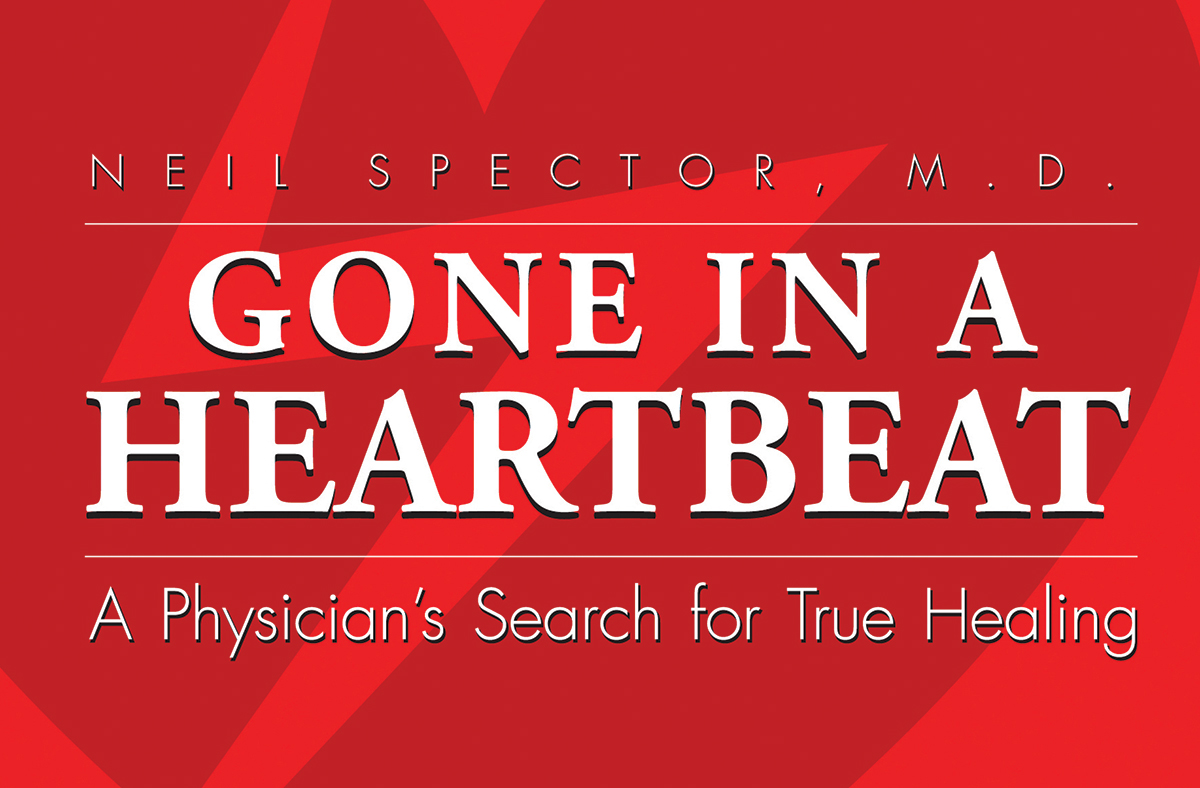
In his memoir, Gone in a Heartbeat: A Physician’s Search for True Healing, Dr. Spector recounts how Lyme disease changed both his life and his medical perspective.
Despite his expertise and standing within academic medicine, his symptoms were repeatedly attributed to stress rather than Lyme disease.
Years passed. His health deteriorated. Ultimately, heart damage attributed to Lyme carditis led to a heart transplant.
Dr. Spector later shared his story in his memoir and in the documentary The Quiet Epidemic, helping educate physicians and patients about the importance of recognizing Lyme disease in its less typical forms.
His experience illustrates how misconceptions about Lyme disease can delay diagnosis—even in physicians themselves.
The Misdiagnosis
Dr. Spector explained that his illness was overlooked because he did not present with the “classic” picture of Lyme disease.
“I was misdiagnosed for 4 years… I didn’t have the classic symptoms… I presented with cardiac symptoms… my doctors completely misdiagnosed the disease.”
“I was told that I had stress. I think a lot of people with Lyme are told that their symptoms are not related to anything but stress.”
“Unless doctors are thinking about it, they might not recognize it.” — Dr. Neil Spector
His story demonstrates an important clinical lesson: Lyme disease does not always begin with a bull’s-eye rash, fever, or flu-like illness. Cardiac symptoms may be an early clue, making recognition considerably more challenging.
Common Misconceptions About Lyme Disease
Dr. Spector identified several misconceptions that contributed to his delayed diagnosis.
- Many patients never recall a tick bite.
- Some patients do not notice a classic bull’s-eye rash.
- Lyme disease may present with cardiac, neurologic, or rheumatologic symptoms rather than a flu-like illness.
- Clinicians may be less likely to consider Lyme disease when patients present with atypical symptoms.
He also described why Lyme disease can become difficult to recognize once the infection spreads beyond the skin.
“The bacteria… finds hidden places… in connective tissue, joints, the heart, and the brain… where antibiotics may not reach effective levels.”
Whether or not one agrees with every aspect of Dr. Spector’s interpretation, his experience highlights the need for continued research into Lyme disease pathogenesis, diagnosis, and long-term outcomes.
The Continuing Debate
Dr. Spector also reflected on the ongoing disagreement surrounding Lyme disease.
“There’s friction between physicians… seeing patients suffer… and those who dismiss chronic Lyme disease.”
Although opinions continue to differ regarding persistent symptoms after treatment, there is broad agreement that early diagnosis and appropriate treatment can reduce the risk of serious complications, including Lyme carditis.
The Need for More Research
Dr. Spector repeatedly emphasized the need for greater investment in Lyme disease research.
“The amount the NIH spends on Lyme disease is a drop in the bucket compared to what it should be.”
Additional research is needed to improve diagnostic testing, better understand persistent symptoms, clarify disease mechanisms, and develop more effective treatments.
2026 Update: Lyme Carditis Can Present in Unexpected Ways
A 2026 JACC Case Reports article described a highly unusual presentation of presumed donor-derived Lyme carditis in a 29-year-old heart transplant recipient.
Shortly after transplantation, the patient developed progressive conduction abnormalities that evolved into complete heart block despite preserved graft function and repeated evaluations showing no evidence of rejection.
Because the clinical picture did not fit the usual causes of post-transplant conduction disease, physicians broadened the differential diagnosis. Review of the donor’s history revealed recent outdoor tick exposure. Warthin-Starry staining of an endomyocardial biopsy demonstrated rare spirochetes morphologically consistent with Borrelia, supporting a diagnosis of presumed donor-derived Lyme carditis.
The patient received intravenous ceftriaxone, but the complete heart block persisted, ultimately requiring permanent pacemaker implantation.
This case differs substantially from Dr. Spector’s experience. Nevertheless, both cases reinforce an important clinical message: Lyme carditis should remain in the differential diagnosis when otherwise unexplained conduction abnormalities occur, particularly when tick exposure is possible or the usual explanations do not adequately account for the clinical presentation.
Because donor-derived Lyme disease has rarely been reported, this case expands the range of clinical situations in which physicians may need to consider Lyme carditis.
Interview With Dr. Neil Spector
Dr. Spector discusses his experience with Lyme carditis, delayed diagnosis, and the need for greater awareness of Lyme disease in this interview.
Interview with Dr. Neil Spector
Frequently Asked Questions
What is Lyme carditis?
Lyme carditis occurs when Borrelia burgdorferi, the bacterium that causes Lyme disease, affects the heart. The most common manifestation is atrioventricular conduction block, although inflammation can also involve other cardiac tissues.
Can Lyme carditis require a heart transplant?
Heart transplantation is extremely uncommon in Lyme disease. Dr. Neil Spector’s experience illustrates that delayed diagnosis may be associated with severe cardiac injury, but most patients diagnosed and treated promptly recover without requiring transplantation.
Can Lyme carditis occur after heart transplantation?
A 2026 case report described presumed donor-derived Lyme carditis in a heart transplant recipient who developed complete heart block shortly after transplantation. The authors emphasized that this presentation is exceptionally rare but illustrates the importance of considering infectious causes when graft rejection has been excluded.
What symptoms should raise concern for Lyme carditis?
Symptoms may include lightheadedness, dizziness, fainting, palpitations, chest discomfort, shortness of breath, profound fatigue, or an unusually slow heart rate. Anyone experiencing fainting, chest pain, severe shortness of breath, or a significant change in heart rhythm should seek immediate medical care.
Clinical Takeaway
Dr. Neil Spector transformed a deeply personal medical tragedy into a mission to improve awareness of Lyme disease. His experience demonstrated that delayed recognition of Lyme carditis can have devastating consequences—even for a physician.
The 2026 transplant case reinforces his message. Although presumed donor-derived Lyme carditis is exceptionally rare, it reminds clinicians to maintain a broad differential diagnosis when evaluating otherwise unexplained atrioventricular block or other conduction abnormalities.
Most patients with Lyme carditis recover with prompt antibiotic treatment, and high-grade atrioventricular block often resolves without permanent pacing. Delayed diagnosis, however, can increase the risk of serious complications.
Considering Lyme disease early in patients with compatible cardiac findings and possible tick exposure may allow Lyme carditis to be identified before severe cardiac injury develops.
Related Articles
Lyme Carditis: Symptoms, Diagnosis, and Treatment
Delayed Lyme Disease Diagnosis: Why It Happens
Lyme Disease Symptoms Guide
Recovery From Lyme Disease
References
- del Pino B, Hussien M, Mehta S, et al. Lyme carditis in a transplanted heart: A rare cause of early conduction abnormalities. JACC Case Rep. 2026;31(24):108399.
- Yeung C, Baranchuk A. Diagnosis and treatment of Lyme carditis: JACC review topic of the week. J Am Coll Cardiol. 2019;73(6):717–726.
- Lantos PM, Rumbaugh J, Bockenstedt LK, et al. Clinical practice guidelines by the Infectious Diseases Society of America, American Academy of Neurology, and American College of Rheumatology: 2020 guidelines for the prevention, diagnosis and treatment of Lyme disease. Clin Infect Dis. 2021;72(1):e1–e48.
- Forrester JD, Mead P. Third-degree heart block associated with Lyme carditis: Review of published cases. Clin Infect Dis. 2014;59(7):996–1000.
- Fish AE, Pride YB, Pinto DS. Lyme carditis. Infect Dis Clin North Am. 2008;22(2):275–288, vi.
- Duke Health. Doctor hopes his medical journey inspires others. Duke Health. 2015.
- Spector N. Gone in a Heartbeat: A Physician’s Search for True Healing. Nautilus Publishing. 2015.
This article is for informational purposes only and is not a substitute for professional medical advice, diagnosis, or treatment.
Dr. Daniel Cameron, MD, MPH
Lyme disease clinician with over 30 years of experience and past president of ILADS.
Symptoms • Testing • Coinfections • Recovery • Pediatric • Prevention

Dr Cameron, Have you ever seen a Lyme patient with carditis but no other cardiac issues (except mild bradycardia), recover (with or without ABX) and then go on to develop heart blocks 5-10 years later? Or any version of this?
Yes