Contact us at 914-666-4665

Dr. Daniel Cameron

Board-certified physician with 38+ years specializing in Lyme disease and tick-borne illnesses. Past President of ILADS (International Lyme and Associated Diseases Society) and first author of ILADS treatment guidelines. Dr. Cameron operates a solo practice focused on patient advocacy and evidence-based Lyme disease treatment. He is the author of 1,100+ articles spanning diagnosis, treatment, co-infections, and recovery from tick-borne illnesses. His work challenges conventional approaches that often leave patients undiagnosed or undertreated, emphasizing clinical judgment over rigid adherence to testing criteria that frequently produce false negatives.

Dr. Daniel Cameron

Lyme Carditis Misdiagnosis: A Physician’s Journey to Advocacy

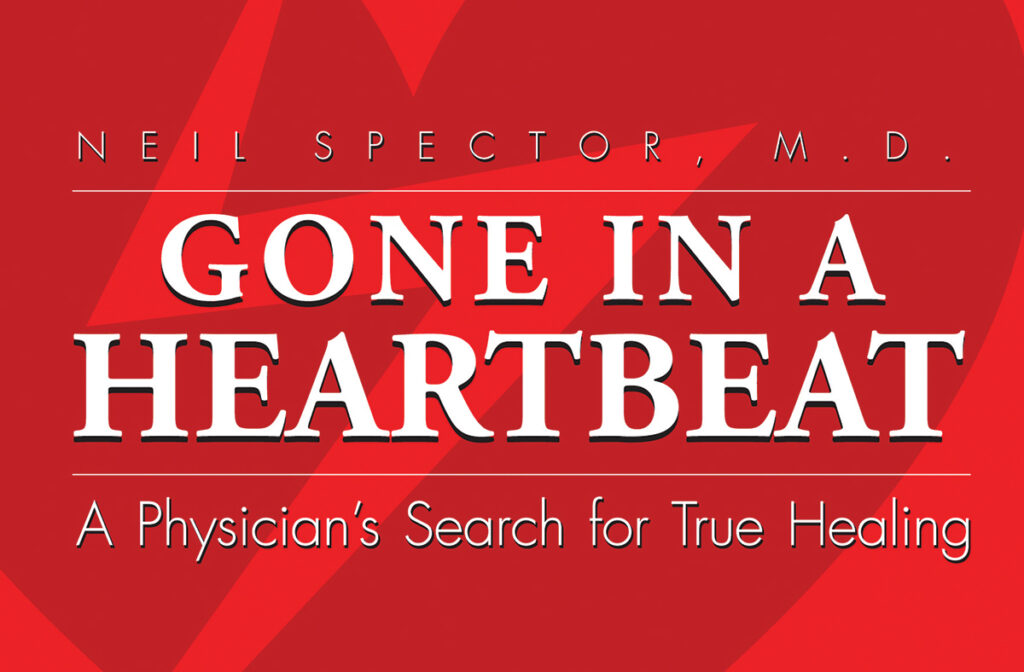
Lyme Carditis Misdiagnosis: A Physician’s Journey to Advocacy Lyme carditis misdiagnosis can have life-threatening consequences—even for experienced physicians. Dr. Neil Spector, a leading cancer researcher and oncologist, became a powerful advocate for Lyme disease patients after nearly losing his life to undiagnosed Lyme carditis. Update: Dr. Neil Spector has since passed away. He will be […]

Lyme Carditis Misdiagnosis: A Physician’s Journey to Advocacy Read More »

Lyme Disease in Tennessee: Hundreds of Cases Missing from Reports<

Lyme Disease in Tennessee: Hundreds of Cases Missing from Reports Lyme disease Tennessee underreporting may be significant, with studies suggesting cases are far higher than official surveillance data. Researchers examining insurance claims and public health records identified major gaps in reported Lyme disease cases in Tennessee. A study using data from BlueCross BlueShield of Tennessee

Lyme Disease in Tennessee: Hundreds of Cases Missing from Reports< Read More »

Lyme Disease Testing Gap: 82% Untested in Non-Endemic Regions

Lyme Disease Testing Gap: 82% Untested in Non-Endemic Regions Most patients with symptoms consistent with Lyme disease are not tested in non-endemic regions—creating a major diagnostic gap. The Testing Gap in Non-Endemic Regions Researchers from Duke University Health System in North Carolina reviewed the medical records of 1,621 patients with a clinical history consistent with

Lyme Disease Testing Gap: 82% Untested in Non-Endemic Regions Read More »

Deer Ticks in Your Backyard: Study Shows Ongoing Risk

Deer Ticks in Your Backyard: Study Shows Ongoing Risk Deer ticks backyard risk may be greater than many homeowners realize. Even if a yard is cleared of ticks, new research suggests they can quickly return through short-distance migration. “The increases in the geographic range and population sizes of several tick species… have resulted in dramatic

Deer Ticks in Your Backyard: Study Shows Ongoing Risk Read More »

Chronic Lyme Disease: Patients Want Treatment, Not Management

Chronic Lyme Disease: Patients Want Treatment, Not Management Chronic Lyme disease patients want to be treated—not simply managed. This distinction reflects a deeper divide in how clinicians approach persistent symptoms and patient care. :contentReference[oaicite:0]{index=0} The quote, “Minds are like parachutes. They only function when open,” attributed to Thomas Dewar, comes to mind when considering the

Chronic Lyme Disease: Patients Want Treatment, Not Management Read More »

What Is That Smell? Lyme Disease and Heightened Sensitivity

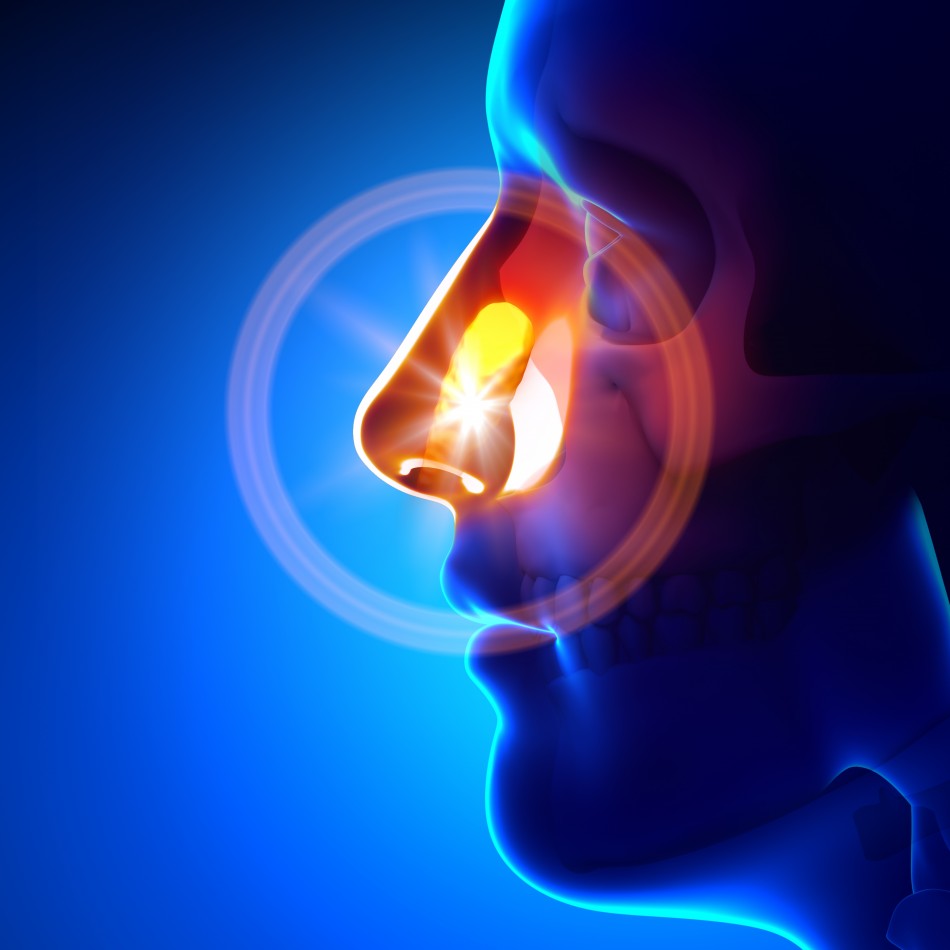
What Is That Smell? Lyme Disease and Heightened Sensitivity Lyme disease may affect more than joints, fatigue, and cognition—it may also alter the sense of smell. Some patients report a heightened sensitivity to odors, a condition known as hyperosmia, which is only beginning to be explored in Lyme disease. Changes in smell have long been

What Is That Smell? Lyme Disease and Heightened Sensitivity Read More »

Borrelia miyamotoi larvae

Are Larval Ticks a Hidden Threat? Insights on Borrelia Miyamotoi

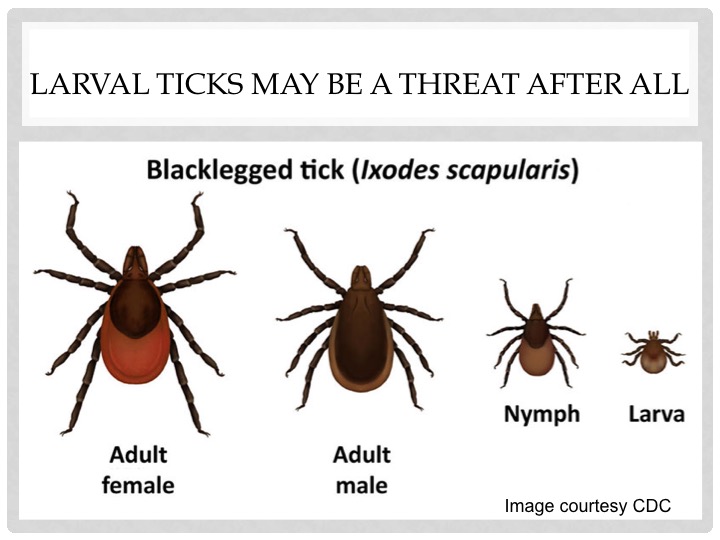
Are Larval Ticks a Hidden Threat? Insights on Borrelia Miyamotoi Larval ticks may pose a greater risk to humans than previously recognized. Traditionally, nymphal ticks have been considered the primary threat for transmitting tick-borne diseases. However, new research suggests that larval ticks—despite their microscopic size—may also play an important role in disease transmission. :contentReference[oaicite:0]{index=0} When

Are Larval Ticks a Hidden Threat? Insights on Borrelia Miyamotoi Read More »

Chronic Lyme Disease Study Limitations: Why Early Treatment Data Can Mislead

Chronic Lyme Disease Study Limitations: Why Early Treatment Data Can Mislead Chronic Lyme disease study limitations can lead to conclusions that do not reflect real-world patient experience. While some studies suggest that Lyme disease does not result in long-term illness, closer examination reveals important gaps in study design and patient selection. :contentReference[oaicite:0]{index=0} Physicians use a

Chronic Lyme Disease Study Limitations: Why Early Treatment Data Can Mislead Read More »

Lyme Neuroborreliosis: What Happens to the Brain During Infection

Lyme Neuroborreliosis: What Happens to the Brain During Infection Lyme neuroborreliosis can trigger significant inflammation in the brain and nervous system. This inflammation may help explain the wide range of neurologic symptoms seen in patients with Lyme disease. Individuals with neuroborreliosis often present with: Headaches Fatigue Memory loss Learning difficulties Depression Clinical findings may include

Lyme Neuroborreliosis: What Happens to the Brain During Infection Read More »

Lyme Disease Statistics: Long-Term Symptoms, Missed Diagnoses, and Treatment Challenges

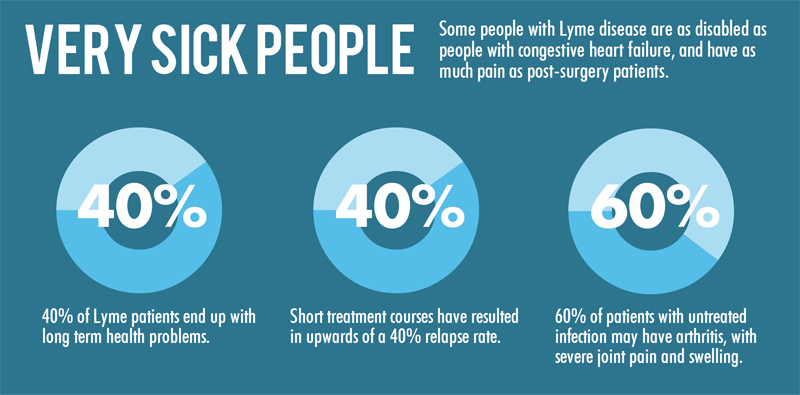
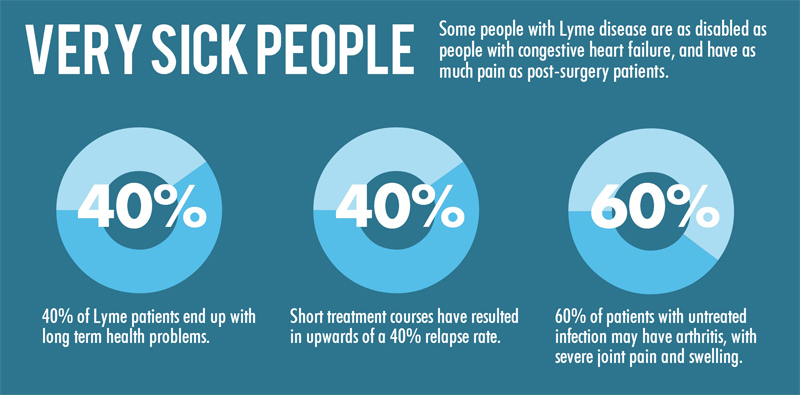
Lyme Disease Statistics: Long-Term Symptoms, Missed Diagnoses, and Treatment Challenges Lyme disease statistics highlight a troubling reality—many patients remain ill despite diagnosis and treatment. These infographic findings summarize key data from peer-reviewed studies on long-term outcomes, diagnostic limitations, and treatment response. :contentReference[oaicite:0]{index=0} Patients may experience persistent symptoms when Lyme disease is not diagnosed early or

Lyme Disease Statistics: Long-Term Symptoms, Missed Diagnoses, and Treatment Challenges Read More »