Contact us at 914-666-4665

Dr. Daniel Cameron

Board-certified physician with 38+ years specializing in Lyme disease and tick-borne illnesses. Past President of ILADS (International Lyme and Associated Diseases Society) and first author of ILADS treatment guidelines. Dr. Cameron operates a solo practice focused on patient advocacy and evidence-based Lyme disease treatment. He is the author of 1,100+ articles spanning diagnosis, treatment, co-infections, and recovery from tick-borne illnesses. His work challenges conventional approaches that often leave patients undiagnosed or undertreated, emphasizing clinical judgment over rigid adherence to testing criteria that frequently produce false negatives.

Dr. Daniel Cameron
Borrelia miyamotoi larvae

Are Larval Ticks a Hidden Threat? Insights on Borrelia Miyamotoi

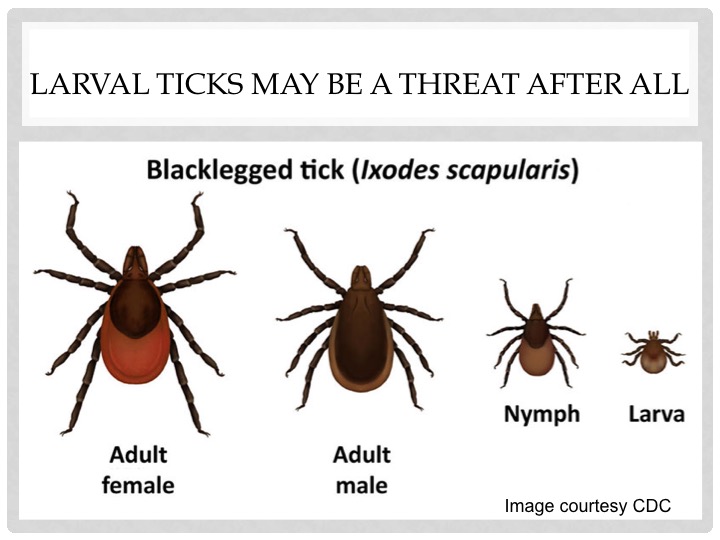
Are Larval Ticks a Hidden Threat? Insights on Borrelia Miyamotoi Larval ticks may pose a greater risk to humans than previously recognized. Traditionally, nymphal ticks have been considered the primary threat for transmitting tick-borne diseases. However, new research suggests that larval ticks—despite their microscopic size—may also play an important role in disease transmission. :contentReference[oaicite:0]{index=0} When […]

Are Larval Ticks a Hidden Threat? Insights on Borrelia Miyamotoi Read More »
Chronic Lyme Disease Study Limitations: Why Early Treatment Data Can Mislead

Chronic Lyme Disease Study Limitations: Why Early Treatment Data Can Mislead Chronic Lyme disease study limitations can lead to conclusions that do not reflect real-world patient experience. While some studies suggest that Lyme disease does not result in long-term illness, closer examination reveals important gaps in study design and patient selection. :contentReference[oaicite:0]{index=0} Physicians use a

Chronic Lyme Disease Study Limitations: Why Early Treatment Data Can Mislead Read More »

Lyme Neuroborreliosis: What Happens to the Brain During Infection

Lyme Neuroborreliosis: What Happens to the Brain During Infection Lyme neuroborreliosis can trigger significant inflammation in the brain and nervous system. This inflammation may help explain the wide range of neurologic symptoms seen in patients with Lyme disease. Individuals with neuroborreliosis often present with: Headaches Fatigue Memory loss Learning difficulties Depression Clinical findings may include

Lyme Neuroborreliosis: What Happens to the Brain During Infection Read More »

Lyme Disease Statistics: Long-Term Symptoms, Missed Diagnoses, and Treatment Challenges

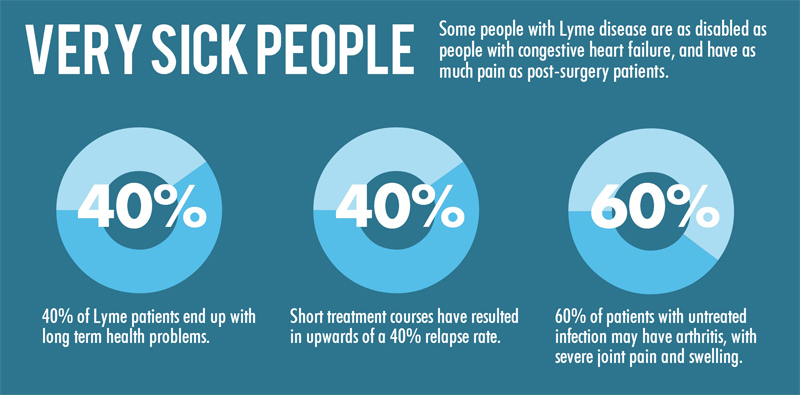
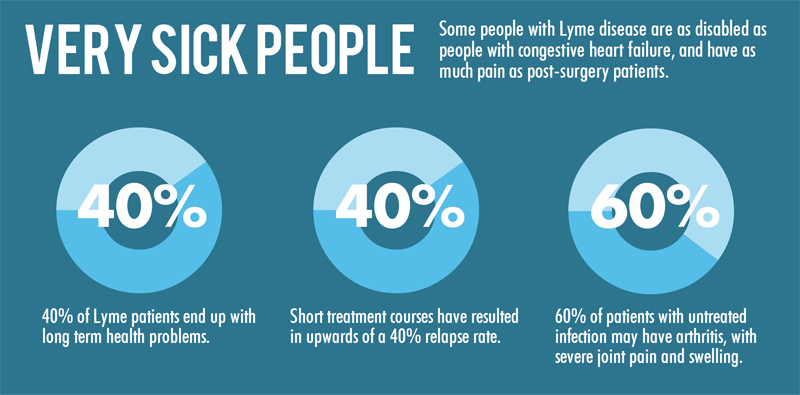
Lyme Disease Statistics: Long-Term Symptoms, Missed Diagnoses, and Treatment Challenges Lyme disease statistics highlight a troubling reality—many patients remain ill despite diagnosis and treatment. These infographic findings summarize key data from peer-reviewed studies on long-term outcomes, diagnostic limitations, and treatment response. :contentReference[oaicite:0]{index=0} Patients may experience persistent symptoms when Lyme disease is not diagnosed early or

Lyme Disease Statistics: Long-Term Symptoms, Missed Diagnoses, and Treatment Challenges Read More »

Chikungunya vs Lyme Disease: Why Symptoms Can Be Confused

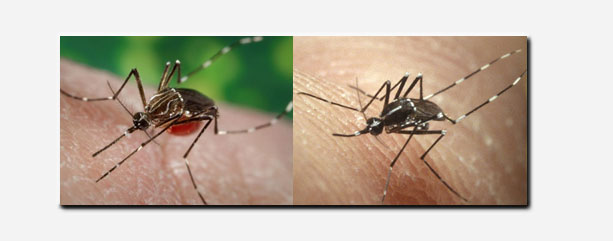
Chikungunya vs Lyme Disease: Why Symptoms Can Be Confused Chikungunya vs Lyme disease symptoms can overlap, making diagnosis challenging for both patients and clinicians. Both conditions can present with flu-like illness, joint pain, and long-lasting symptoms. :contentReference[oaicite:0]{index=0} The Chikungunya virus (CHIKV), transmitted by Aedes aegypti and Aedes albopictus mosquitoes, has emerged as a global health

Chikungunya vs Lyme Disease: Why Symptoms Can Be Confused Read More »

economic burden of Lyme disease

Economic Burden of Lyme Disease: Billions in Costs and Rising

Economic Burden of Lyme Disease: Billions in Costs and Rising The economic burden of Lyme disease is substantial, reaching billions of dollars annually in the United States. An estimated 240,000 to 440,000 individuals are diagnosed each year, with average treatment costs of approximately $3,000 per patient annually. :contentReference[oaicite:0]{index=0} When persistent symptoms and ongoing care are

Economic Burden of Lyme Disease: Billions in Costs and Rising Read More »

Babesia Canada

Babesia Canada: First Case Signals Expanding Tick-Borne Threat

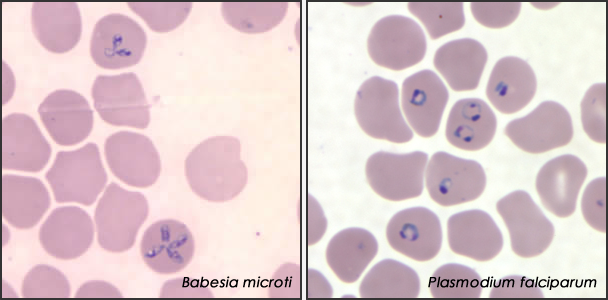
Babesia Canada: First Case Signals Expanding Tick-Borne Threat Babesia Canada is now a reality. The first documented case of Babesia microti in Manitoba confirms that this tick-borne parasite has crossed the border—and raises concern about increasing co-infections with Lyme disease. :contentReference[oaicite:0]{index=0} Researchers from the University of Manitoba reported a case involving a 7-year-old boy with

Babesia Canada: First Case Signals Expanding Tick-Borne Threat Read More »

Chronic Neurologic Lyme Disease: Symptoms, Evidence, and Patient Experience

Chronic Neurologic Lyme Disease: Symptoms, Evidence, and Patient Experience Chronic neurologic Lyme disease symptoms can be severe, disabling, and life-altering. Yet despite decades of research, the condition remains misunderstood by many clinicians and the public. When reality star Yolanda Foster shared her struggle with Lyme disease, many asked: “Can Lyme really cause problems like this?”

Chronic Neurologic Lyme Disease: Symptoms, Evidence, and Patient Experience Read More »

Lyme Disease 2014 Review: Key Advances in Tick-Borne Illness

Lyme Disease 2014 Review: Key Advances in Tick-Borne Illness The Lyme disease 2014 review highlights a turning point in how clinicians and researchers understand tick-borne diseases. That year brought growing recognition of new pathogens, expanding geographic risk, and the increasing importance of co-infections. Lyme disease remains the most common vector-borne disease in the United States,

Lyme Disease 2014 Review: Key Advances in Tick-Borne Illness Read More »

Don’t Let Scrooge Ruin Christmas for Lyme Disease Patients

Don’t Let Scrooge Ruin Christmas for Lyme Disease Patients Lyme disease patient empathy is essential—especially for those living with chronic symptoms. Yet research suggests that empathy may decline when clinicians focus too narrowly on biological explanations. A study examining mental health providers found that biological explanations for illness significantly reduced clinicians’ empathy toward patients. The

Don’t Let Scrooge Ruin Christmas for Lyme Disease Patients Read More »