Contact us at 914-666-4665

Dr. Daniel Cameron

Board-certified physician with 38+ years specializing in Lyme disease and tick-borne illnesses. Past President of ILADS (International Lyme and Associated Diseases Society) and first author of ILADS treatment guidelines. Dr. Cameron operates a solo practice focused on patient advocacy and evidence-based Lyme disease treatment. He is the author of 1,100+ articles spanning diagnosis, treatment, co-infections, and recovery from tick-borne illnesses. His work challenges conventional approaches that often leave patients undiagnosed or undertreated, emphasizing clinical judgment over rigid adherence to testing criteria that frequently produce false negatives.

Dr. Daniel Cameron

7 Tick-Borne Pathogens Identified in Minnesota

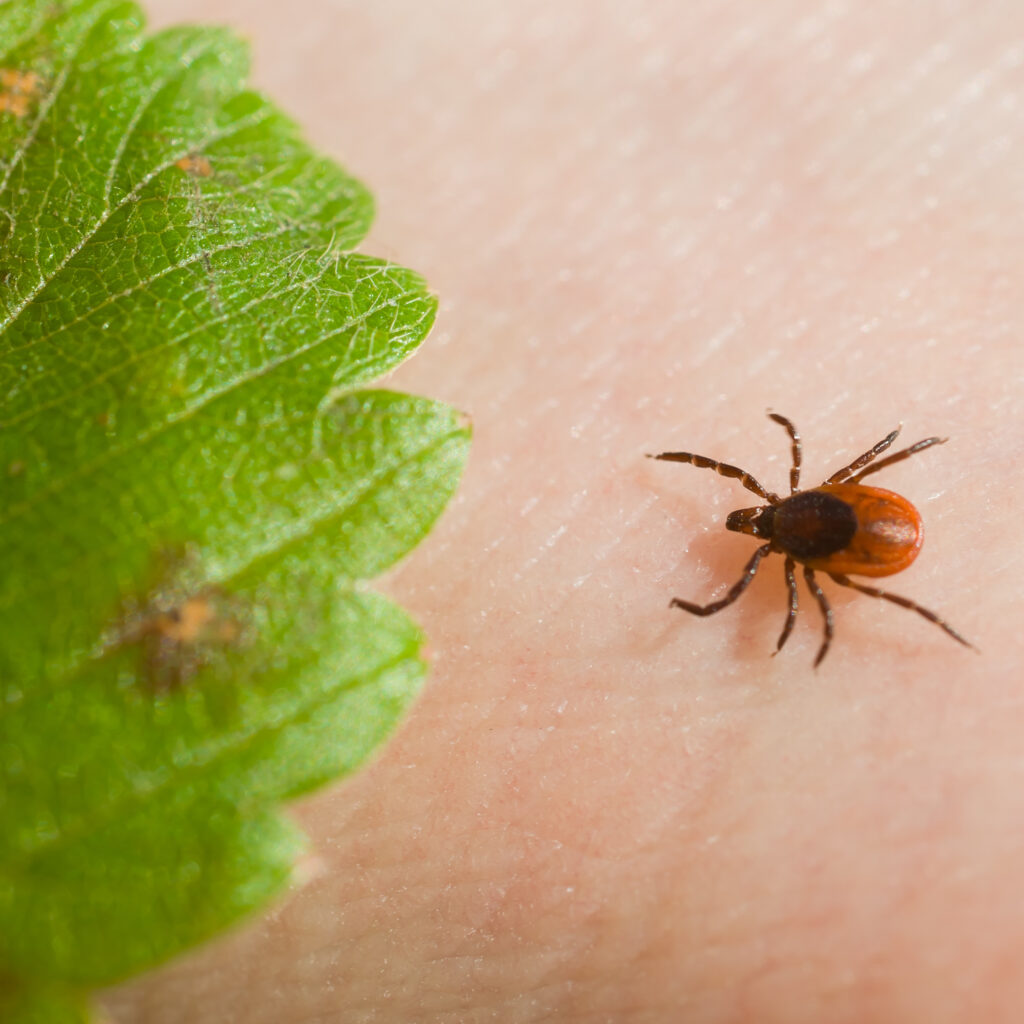
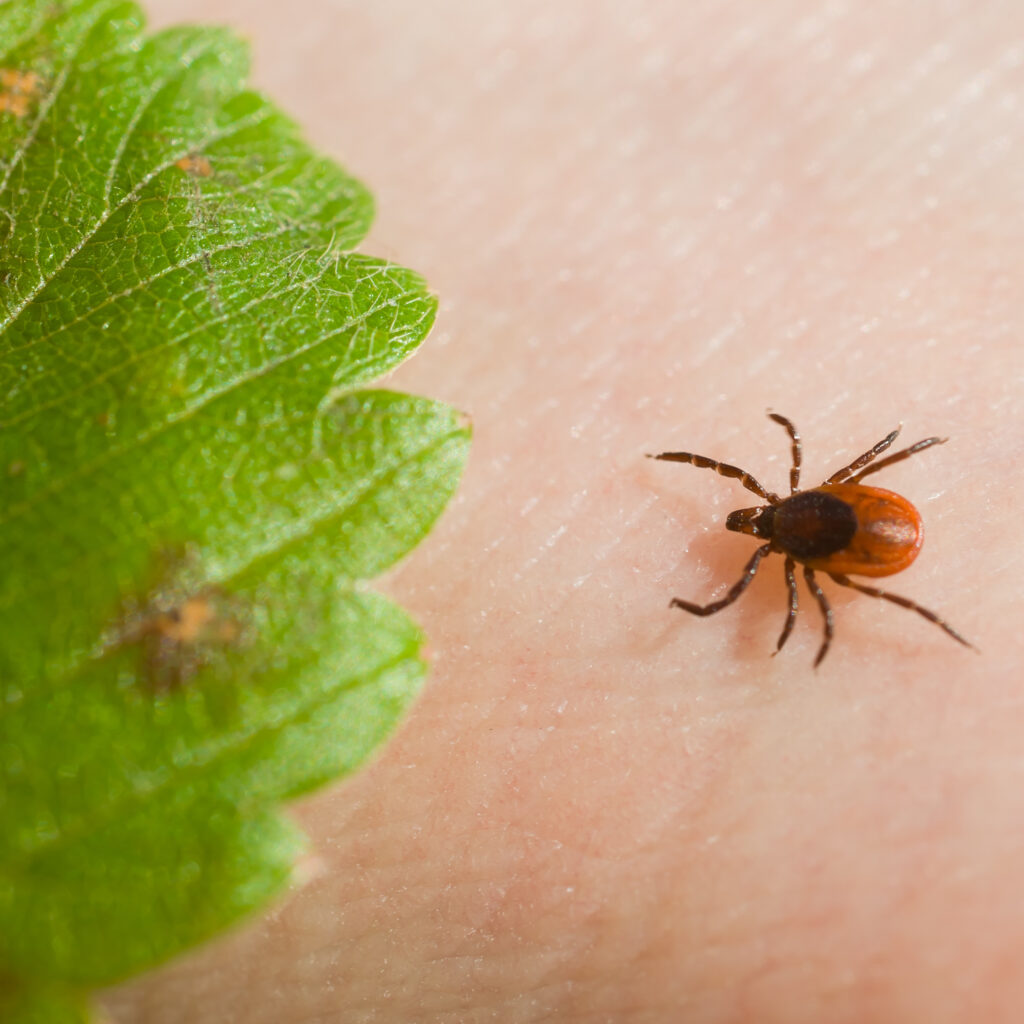
7 Tick-Borne Pathogens Identified in Minnesota Tick-borne pathogens in Minnesota include at least seven infectious agents—highlighting the growing complexity of tick exposure in this region. A study published in Ticks and Tick-borne Diseases analyzed 1,240 host-seeking Ixodes scapularis (black-legged) nymphal ticks collected in Minnesota. Researchers identified seven pathogens: Borrelia burgdorferi sensu stricto (Lyme disease) Borrelia […]

7 Tick-Borne Pathogens Identified in Minnesota Read More »

negative Lyme test later positive

Case demonstrates importance of follow-up with Lyme disease patients

Case Demonstrates Importance of Follow-Up Testing in Lyme Disease Follow-up testing can be critical when Lyme disease is suspected despite an initial negative test. This case report highlights how Lyme neuroborreliosis was confirmed only after repeat testing and spinal fluid evaluation. Neurologic symptoms such as confusion, gait instability, and cognitive changes are discussed further in

Case demonstrates importance of follow-up with Lyme disease patients Read More »

Lyme Disease in Tennessee: Doctors Urged to Be Vigilant

Lyme Disease in Tennessee: Doctors Urged to Be Vigilant Lyme disease in Tennessee is emerging as infected deer ticks expand into the region—prompting experts to urge greater clinical awareness. Studies have documented the geographic expansion of Lyme disease into the southeastern United States, including Tennessee. Lantos and colleagues reported that human Lyme disease cases have

Lyme Disease in Tennessee: Doctors Urged to Be Vigilant Read More »

Lyme Disease Mimics Autoimmune Disorder in Elderly Woman

Lyme Disease Mimics Autoimmune Disorder in Elderly Woman Lyme disease can mimic autoimmune disorders such as dermatomyositis—leading to potential misdiagnosis and delayed treatment. A case report highlights a 76-year-old woman who presented with fatigue, malaise, weight loss, and progressive proximal muscle weakness following a flare of shoulder arthritis. Her clinical presentation was consistent with dermatomyositis

Lyme Disease Mimics Autoimmune Disorder in Elderly Woman Read More »

Should the Name “Lyme Disease” Be Changed?

Should the Name “Lyme Disease” Be Changed? An infectious disease expert has proposed renaming Lyme disease—but the question remains whether a new name would improve diagnosis or create more confusion. Lyme disease was first described in 1977 as “Lyme arthritis,” after a cluster of cases in Connecticut. By 1979, the name was changed to Lyme

Should the Name “Lyme Disease” Be Changed? Read More »

When Should You Worry About Ticks in Your Neighborhood?

When Should You Worry About Ticks in Your Neighborhood? Ticks in your neighborhood may pose a risk beyond the summer months—and even in places you consider safe, like parks and walkways. A study examining tick exposure in “built environments” such as college campuses, parks, and playgrounds found significant numbers of infected ticks in areas with

When Should You Worry About Ticks in Your Neighborhood? Read More »

Lyme Disease Causes Vision Loss in 46-Year-Old Woman

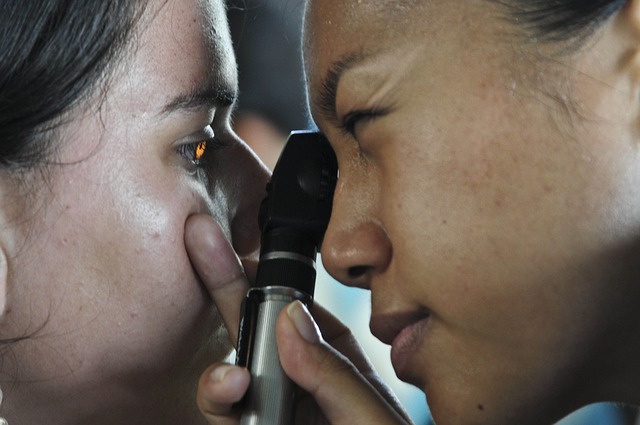
Lyme Disease Causes Vision Loss in 46-Year-Old Woman Lyme disease can cause vision loss through optic neuritis—a rare but serious neurologic complication that may be mistaken for other conditions. A case reported in the Wisconsin Medical Journal describes a 46-year-old woman who developed progressive bilateral vision loss along with paresthesias. Her symptoms began with blurred

Lyme Disease Causes Vision Loss in 46-Year-Old Woman Read More »

tired child with Lyme disease

Are We Dismissing Lyme Disease in Children?

Are We Dismissing Lyme Disease in Children? Recommendations for managing Lyme disease in children may underestimate the seriousness of persistent symptoms—particularly when treatment options are limited to symptom management alone. Neuropsychiatric manifestations of Lyme disease in children can be complex and, at times, dramatic. “Case reports of neuropsychological manifestations of Lyme disease include Alice in

Are We Dismissing Lyme Disease in Children? Read More »

How Concerned Are People About Tick Bites and Tick-Borne Diseases?

How Concerned Are People About Tick Bites and Tick-Borne Diseases? Public concern about tick bites varies widely—ranging from high anxiety to complete underestimation of risk. A study published in PLoS One found that 43% of respondents considered tick bites a “large or very large risk” to their health or their family’s health. Interestingly, this perceived

How Concerned Are People About Tick Bites and Tick-Borne Diseases? Read More »

Long-Term Problems in Lyme Neuroborreliosis: What Studies Show

Long-Term Problems in Lyme Neuroborreliosis: What Studies Show Long-term problems in Lyme neuroborreliosis (LNB) may be less severe at a population level—but individual patients can still experience meaningful declines in health and function. A large European study examined long-term survival, health, education, and social outcomes in patients with Lyme neuroborreliosis. Overall, the authors found no

Long-Term Problems in Lyme Neuroborreliosis: What Studies Show Read More »