Contact us at 914-666-4665

Dr. Daniel Cameron

Dr. Daniel Cameron is a board-certified physician and epidemiologist specializing in Lyme disease and tick-borne illnesses. He is a past president of ILADS and has contributed to Lyme disease treatment guidelines, with a clinical focus on diagnosis, testing limitations, and complex cases.

Dr. Daniel Cameron
blood transfusion, blood donor, blood bank

Could a blood transfusion transmit Lyme disease?

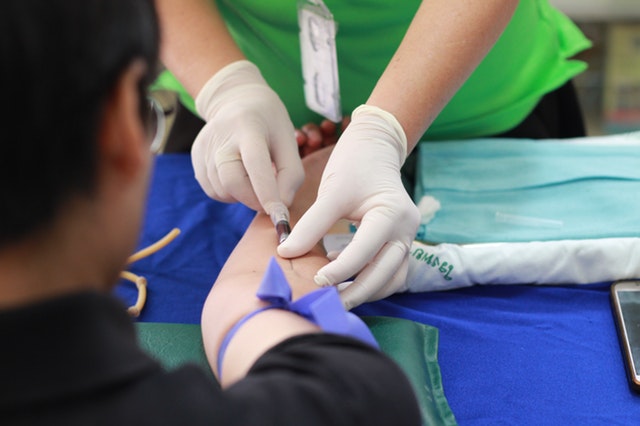
Could a Blood Transfusion Transmit Lyme Disease? Lyme disease is primarily spread by tick bites But transmission through blood has been questioned Borrelia can survive in stored blood under certain conditions Human transmission through transfusion has not been confirmed Could Lyme disease be transmitted through a blood transfusion? The risk remains theoretical but biologically plausible. […]

Could a blood transfusion transmit Lyme disease? Read More »

hiking, clothing

Does Washing Reduce the Effectiveness of Permethrin-Treated Clothing?

Does Washing Reduce the Effectiveness of Permethrin-Treated Clothing? Protection is strongest when new Effectiveness declines with washing Still better than untreated clothing Tick contact time matters Permethrin-treated clothing can repel and kill ticks—but its effectiveness decreases with wear and repeated washing. A study by Connally and colleagues examined how wearing and washing affect the ability

Does Washing Reduce the Effectiveness of Permethrin-Treated Clothing? Read More »

Are Southern Nymphal Deer Ticks Hiding?

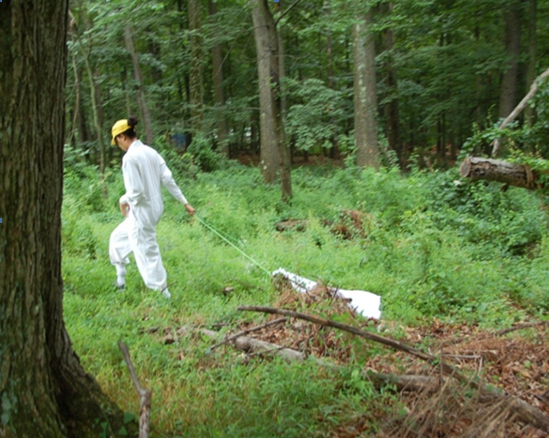
Are Southern Nymphal Deer Ticks Hiding? Southern nymphal deer ticks may behave differently than those in the Northeast, potentially reducing human exposure. In their article, Tietjen and colleagues from Texas A&M University explored whether immature stages of Ixodes scapularis reside in leaf litter or soil rather than on vegetation. Researchers collected samples of leaf litter,

Are Southern Nymphal Deer Ticks Hiding? Read More »

Knee pain, joints, knees

Lyme disease mimics prosthetic joint infection following knee replacement

Lyme Disease Mimics Prosthetic Joint Infection After Knee Replacement Lyme disease can mimic prosthetic joint infection, leading to unnecessary surgery and delayed diagnosis. An 83-year-old man from Pennsylvania was admitted with knee pain, erythema, and fever for 3 days. Examination revealed a moderate effusion and limited range of motion in a knee that had undergone

Lyme disease mimics prosthetic joint infection following knee replacement Read More »

delayed Babesia diagnosis

Delayed Babesia Diagnosis: Why Follow-Up Visits Matter

Delayed Babesia Diagnosis: Why Follow-Up Visits Matter A delayed Babesia diagnosis can occur when symptoms emerge after initial Lyme disease treatment, highlighting the importance of follow-up care. Doctors treated a 67-year-old woman for early Lyme disease with a 21-day course of amoxicillin after she presented with an erythema migrans rash. (She was allergic to doxycycline.)

Delayed Babesia Diagnosis: Why Follow-Up Visits Matter Read More »

MONO OR LYME DISEASE

Mono or Lyme Disease? Why Symptoms Can Be Confused

Mono or Lyme Disease? Why Symptoms Can Be Confused Quick Answer: Mono (Epstein-Barr virus) and Lyme disease can cause similar symptoms—and in some cases, patients may have both at the same time. Clinical Insight: A positive mono test does not rule out Lyme disease. Overlapping symptoms and cross-reactivity can delay diagnosis. Fatigue. Fever. Sore throat.

Mono or Lyme Disease? Why Symptoms Can Be Confused Read More »

park, recreational area, urban area

Lyme Disease Risk Rising in Urban Areas: UK Tick Study

Lyme Disease Risk Rising in Urban Areas: UK Tick Study Tick populations are increasing Urban exposure is rising Infection rates can be high Green spaces carry hidden risk Urban Lyme disease risk is increasing, as studies show rising tick populations and infection rates in city environments. A study by Medlock and colleagues examined the growing

Lyme Disease Risk Rising in Urban Areas: UK Tick Study Read More »

pills, antibiotics, medication

Babesia Combination Therapy: First-Line Treatment Options

Babesia Combination Therapy: First-Line Treatment Options Babesia combination therapy is required because Babesia is a parasite—not a bacterium—and does not respond to standard Lyme antibiotics. Quick Answer: Babesia combination therapy typically includes atovaquone plus azithromycin or clindamycin plus quinine. These regimens target the parasite directly and differ from standard Lyme disease antibiotics. Babesia combination therapy

Babesia Combination Therapy: First-Line Treatment Options Read More »

pacemaker

Lyme Carditis Pacemaker: Can You Avoid Permanent Placement?

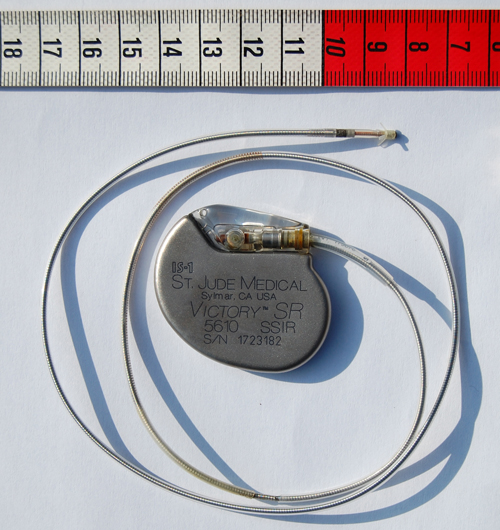
Lyme Carditis Pacemaker: Can You Avoid Permanent Placement? Lyme carditis can cause dangerous heart block—but early treatment may prevent the need for a permanent pacemaker. Lyme carditis pacemaker decisions often depend on timing. When Lyme carditis is recognized early, temporary pacing and antibiotics may allow full recovery without permanent device implantation. Key Question: When can

Lyme Carditis Pacemaker: Can You Avoid Permanent Placement? Read More »

Heartland virus cases

Heartland Virus Symptoms: What We Know About This Rare Tick-Borne Infection

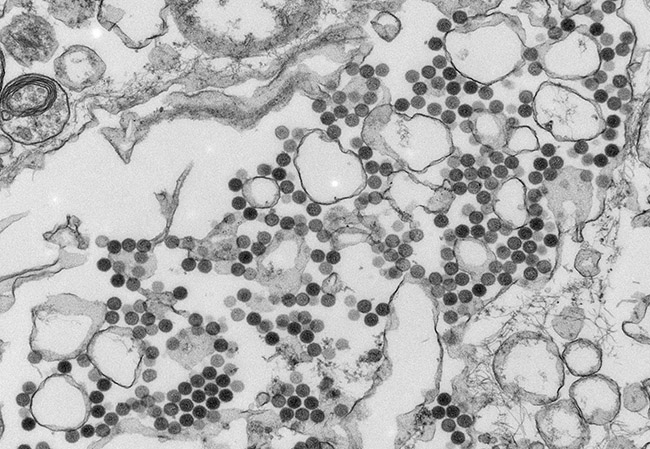
Heartland Virus Symptoms: What We Know About This Rare Tick-Borne Infection Symptoms resemble Lyme disease Illness begins weeks after a bite No test, treatment, or vaccine Severe cases can require hospitalization Heartland virus symptoms often resemble other tick-borne illnesses, making diagnosis difficult and delaying appropriate care. Patients typically experience fever, headache, fatigue, and muscle or

Heartland Virus Symptoms: What We Know About This Rare Tick-Borne Infection Read More »