Contact us at 914-666-4665

Filter posts by category

Lyme Science Blog

WHAT IS THAT SMELL

What Is That Smell? Lyme Disease and Heightened Sensitivity

Lyme Disease and Sensitivity to Smell: Why Odors May Feel Stronger Can Lyme disease affect your sense of smell? Some patients report heightened sensitivity to odors—known as hyperosmia—suggesting that Lyme disease may affect sensory pathways in addition to cognition and fatigue. Lyme disease may alter more than joints, energy, and thinking—it may also change how […]

What Is That Smell? Lyme Disease and Heightened Sensitivity Read More »

YOU DIDN’T SEE A TICK (1)

Can Larval Ticks Spread Disease? Borrelia Miyamotoi Risk Explained

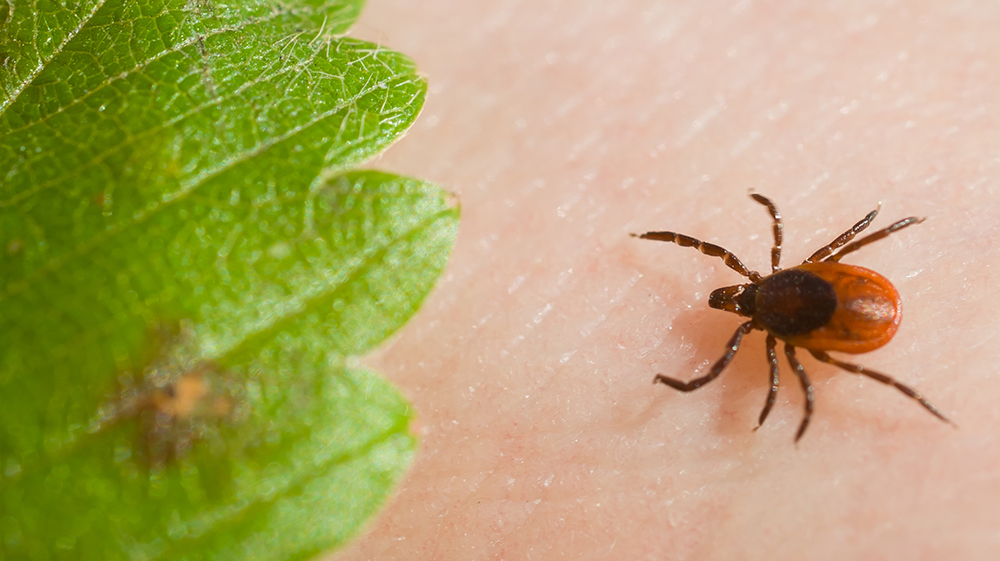
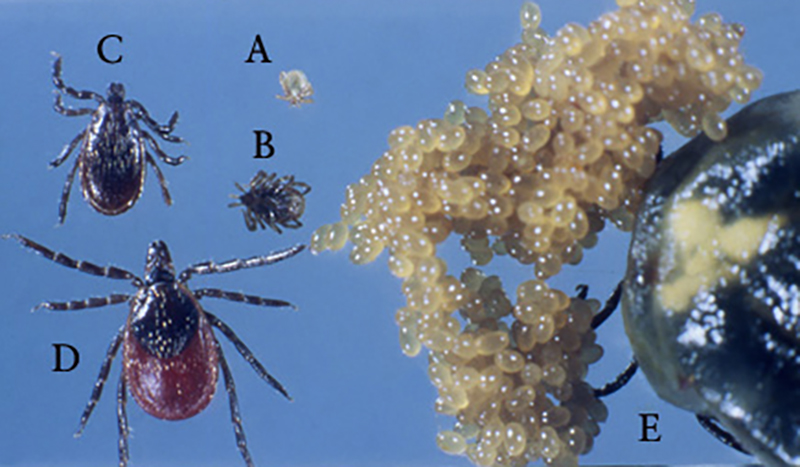
Can Larval Ticks Spread Disease? Borrelia Miyamotoi Risk Explained Can larval ticks spread disease? Emerging research suggests they can—and the risk may be higher than previously believed. For years, nymphal ticks have been considered the primary source of tick-borne infections. But new evidence indicates that larval ticks—despite their microscopic size—may also transmit infections such as

Can Larval Ticks Spread Disease? Borrelia Miyamotoi Risk Explained Read More »

Chronic Lyme Disease Study Limitations: Why Early Treatment Data Can Mislead

Chronic Lyme Disease Study Limitations: Why Early Treatment Data Can Mislead Chronic Lyme disease study limitations can lead to conclusions that do not reflect real-world patient experience. While some studies suggest that Lyme disease does not result in long-term illness, closer examination reveals important gaps in study design and patient selection. :contentReference[oaicite:0]{index=0} Physicians use a

Chronic Lyme Disease Study Limitations: Why Early Treatment Data Can Mislead Read More »

WHAT HAPPENS TO YOUR BRAIN in lyme disease

How Lyme Disease Affects the Brain: Neuroborreliosis Explained

How Lyme Disease Affects the Brain: Neuroborreliosis Explained How does Lyme disease affect the brain? Patients with Lyme neuroborreliosis often describe brain fog, memory problems, headaches, and difficulty concentrating. These symptoms are not random—they reflect inflammation affecting the brain and nervous system. Understanding how Lyme disease impacts the brain helps explain why neurologic symptoms can

How Lyme Disease Affects the Brain: Neuroborreliosis Explained Read More »

Lyme Disease Statistics: Long-Term Symptoms, Missed Diagnoses, and Treatment Challenges

Lyme Disease Statistics: Long-Term Symptoms, Missed Diagnoses, and Treatment Challenges Lyme disease statistics highlight a troubling reality—many patients remain ill despite diagnosis and treatment. These infographic findings summarize key data from peer-reviewed studies on long-term outcomes, diagnostic limitations, and treatment response. :contentReference[oaicite:0]{index=0} Patients may experience persistent symptoms when Lyme disease is not diagnosed early or

Lyme Disease Statistics: Long-Term Symptoms, Missed Diagnoses, and Treatment Challenges Read More »

Chikungunya vs Lyme Disease: Why Symptoms Can Be Confused

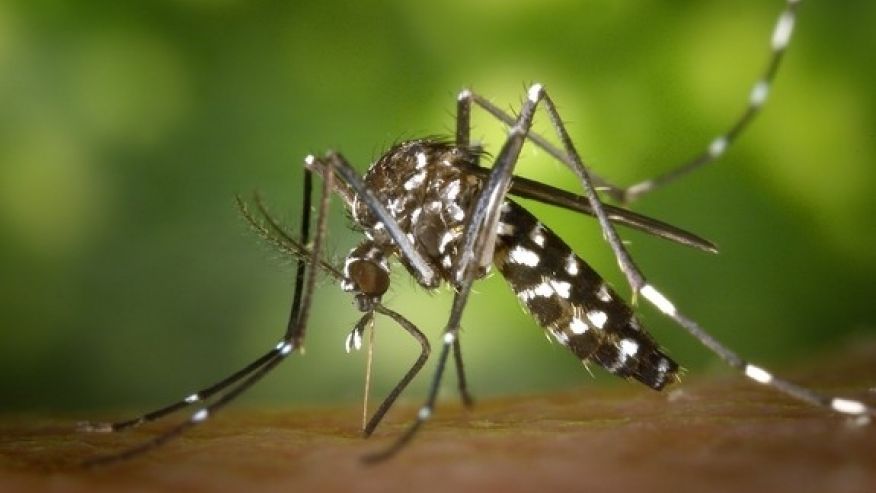
Chikungunya vs Lyme Disease: Why Symptoms Can Be Confused Chikungunya vs Lyme disease symptoms can overlap, making diagnosis challenging for both patients and clinicians. Both conditions can present with flu-like illness, joint pain, and long-lasting symptoms. :contentReference[oaicite:0]{index=0} The Chikungunya virus (CHIKV), transmitted by Aedes aegypti and Aedes albopictus mosquitoes, has emerged as a global health

Chikungunya vs Lyme Disease: Why Symptoms Can Be Confused Read More »

economic burden of Lyme disease

Economic Burden of Lyme Disease: Billions in Costs and Rising

Economic Burden of Lyme Disease: Billions in Costs and Rising STILL SICK AFTER TREATMENT? REPEATED VISITS AND TESTS? THE COST OF LYME DISEASE ADDS UP QUICKLY The economic burden of Lyme disease is substantial, reaching billions of dollars annually in the United States. An estimated 240,000 to 440,000 individuals are diagnosed each year, with average

Economic Burden of Lyme Disease: Billions in Costs and Rising Read More »

Babesia Canada

Babesia Canada: First Case Signals Expanding Tick-Borne Threat

Babesia Canada: First Case Signals Expanding Tick-Borne Threat Babesia Canada is now a reality. The first documented case of Babesia microti in Manitoba confirms that this tick-borne parasite has crossed the border—and raises concern about increasing co-infections with Lyme disease. :contentReference[oaicite:0]{index=0} Researchers from the University of Manitoba reported a case involving a 7-year-old boy with

Babesia Canada: First Case Signals Expanding Tick-Borne Threat Read More »

WHY CAN’T I THINK CLEARLY

Chronic Neurologic Lyme Disease: Symptoms, Evidence, and Patient Experience

Chronic Neurologic Lyme Disease: Symptoms, Evidence, and Patient Experience Chronic neurologic Lyme disease can cause severe cognitive and neurologic symptoms that affect daily function. Despite decades of research, it remains misunderstood by many clinicians and the public. When Yolanda Foster shared her experience with Lyme disease, many asked: “Can Lyme really cause symptoms like this?”

Chronic Neurologic Lyme Disease: Symptoms, Evidence, and Patient Experience Read More »

Lyme Disease 2014 Review: Key Advances in Tick-Borne Illness

Lyme Disease 2014 Review: Key Advances in Tick-Borne Illness The Lyme disease 2014 review highlights a turning point in how clinicians and researchers understand tick-borne diseases. That year brought growing recognition of new pathogens, expanding geographic risk, and the increasing importance of co-infections. Lyme disease remains the most common vector-borne disease in the United States,

Lyme Disease 2014 Review: Key Advances in Tick-Borne Illness Read More »