
Contact us at 914-666-4665

Filter posts by category

Lyme Science Blog

Lyme Disease and Kidney Disease: Case of Minimal Change Glomerular Disease

Lyme Disease and Kidney Disease: Case of Minimal Change Glomerular Disease Lyme disease is primarily associated with neurologic, cardiac, and musculoskeletal symptoms, though less common organ involvement has been described. A case report raises the possibility of an association between Lyme disease and kidney disease. This raises an important question: can Lyme disease contribute to […]

Lyme Disease and Kidney Disease: Case of Minimal Change Glomerular Disease Read More »

Tick Bite Risk at Outdoor Events: Study Findings

Tick Bite Risk at Outdoor Events: Study Findings Outdoor events may increase exposure to ticks, particularly in endemic areas. A study of long-distance mountain racers in Scotland highlights the frequency of tick bites during multi-day outdoor activities. This raises an important question: how common are tick bites during outdoor events? Findings suggest that exposure may

Tick Bite Risk at Outdoor Events: Study Findings Read More »

Debate Over Lyme Disease Research and Clinical Experience

Debate Over Lyme Disease Research and Clinical Experience The understanding of Lyme disease has evolved through the contributions of clinicians, researchers, and patient communities. Several key observations have shaped current knowledge: Polly Murray’s children and neighbors were found to have Lyme disease rather than juvenile rheumatoid arthritis. Alan Steere described a cluster of cases in

Debate Over Lyme Disease Research and Clinical Experience Read More »

Borrelia miyamotoi relapsing fever

Borrelia Miyamotoi Relapsing Fever Is Not a Reliable Sign

Borrelia Miyamotoi Relapsing Fever Is Not a Reliable Sign Borrelia miyamotoi is classified as a relapsing fever spirochete, yet many patients do not develop the classic pattern of recurrent fevers. Clinical findings suggest that relapsing fever may not be a reliable diagnostic feature of this infection. This raises an important question: does Borrelia miyamotoi behave

Borrelia Miyamotoi Relapsing Fever Is Not a Reliable Sign Read More »

Lyme Disease in a Traveler: Diagnosis in an American Patient Abroad

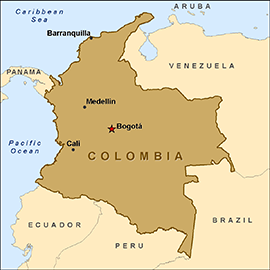
Lyme Disease in a Traveler: Diagnosis in an American Patient Abroad Lyme disease can present in travelers outside endemic regions, creating diagnostic challenges for clinicians unfamiliar with the condition. A case from Colombia highlights the importance of recognizing exposure history in patients presenting abroad. This raises an important question: how often is Lyme disease missed

Lyme Disease in a Traveler: Diagnosis in an American Patient Abroad Read More »

Borrelia miyamotoi travelers

Borrelia Miyamotoi in Travelers: Imported Case with Lyme Coinfection

Borrelia Miyamotoi in Travelers: Imported Case with Lyme Coinfection Borrelia miyamotoi is an emerging tick-borne infection that may affect travelers returning from endemic regions. A case from Japan highlights the risk of infection after exposure in the United States. This raises an important question: should Borrelia miyamotoi be considered in travelers with fever after tick

Borrelia Miyamotoi in Travelers: Imported Case with Lyme Coinfection Read More »

Lyme Disease Vaccine Efficacy: Questions from the OspA Trial

Lyme Disease Vaccine Efficacy: Questions from the OspA Trial The Lyme disease OspA vaccine demonstrated effectiveness in preventing certain early manifestations, but important questions remain regarding its overall efficacy. This raises an important question: how effective was the Lyme disease vaccine across different clinical outcomes? Trial data suggest strong protection against confirmed erythema migrans, but

Lyme Disease Vaccine Efficacy: Questions from the OspA Trial Read More »

NEUROLOGIC LYME DISEASE PATIENTS

Neurologic Lyme Disease: Immune Markers Linked to Persistent Symptoms

Neurologic Lyme Disease: Immune Markers Linked to Persistent Symptoms Some patients with neurologic Lyme disease remain symptomatic after treatment, raising important questions about underlying mechanisms. Research suggests that immune system activity in the central nervous system may play a role in recovery. This raises an important question: what is happening in the brain of patients

Neurologic Lyme Disease: Immune Markers Linked to Persistent Symptoms Read More »

Lyme Carditis Case Without Heart Block: Missed Early Signs

Lyme Carditis Case Without Heart Block: Missed Early Signs Lyme carditis is often associated with heart block, but cardiac involvement can present in other ways. A case from Cape Cod highlights how Lyme disease may affect the heart even without classic conduction abnormalities. This raises an important question: can Lyme carditis present without heart block?

Lyme Carditis Case Without Heart Block: Missed Early Signs Read More »

Borrelia burgdorferi Activates Astrocytes: Implications for Neurologic Lyme Disease

Borrelia burgdorferi Activates Astrocytes: Implications for Neurologic Lyme Disease Borrelia burgdorferi may affect the brain by triggering inflammatory responses in key support cells. Laboratory findings show that the bacterium can activate human astrocytes, raising questions about its role in neurologic Lyme disease. This raises an important question: how does Borrelia burgdorferi affect brain function? Research

Borrelia burgdorferi Activates Astrocytes: Implications for Neurologic Lyme Disease Read More »