Top 10 Lyme Disease Blogs of 2017
Some Lyme disease stories stay with readers because they are clinically important, surprising, or deeply human. These were the 10 most-read All Things Lyme posts of 2017.
Following is a list of the most popular All Things Lyme blogs for 2017. Click on each headline to read the full article.
1) 12-year-old boy suffers cardiac arrest due to Lyme disease
In the February 2017 issue of HeartRhythm Case Reports, physicians described what they believed to be the first reported case of fulminant myocarditis and cardiac arrest due to Lyme disease.
The patient was a previously healthy 12-year-old boy who had recently attended an outdoor camp. He developed respiratory distress, cyanosis, and cardiac arrest after outdoor activity.
2) How to kill a tick on your clothes

A high school student from Massachusetts questioned how long it actually takes to kill a tick in a dryer. Although the CDC had long recommended one hour on high heat, her informal study suggested ticks were killed after only 5 minutes.
The findings were compelling enough to draw interest from CDC researchers.
3) 7-year-old girl with Lyme disease presenting as attention deficit disorder

A 7-year-old girl with difficulty focusing in school was initially thought to have attention deficit disorder. Further evaluation revealed findings consistent with Lyme disease.
After antibiotic treatment, her attention problems resolved and her school performance improved.
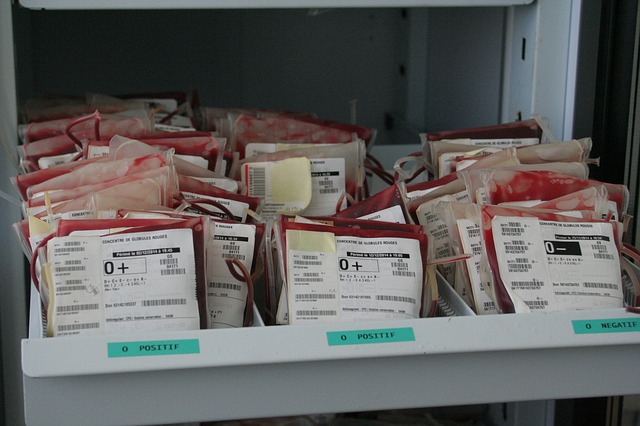
4) Blood donor infects premature infants with Babesia
Babesia is a malaria-like parasite that infects red blood cells and can also be transmitted through blood transfusion.
Researchers described three premature infants in one neonatal intensive care unit who acquired Babesia from a single blood donor.
5) Congenital transmission of babesiosis: two case reports
Congenital babesiosis had been considered rare, but this report added two more cases to the literature.
These were also the first reported cases, to the authors’ knowledge, in which the mother had been diagnosed with Lyme disease before delivery and was presumed to have subclinical Babesia microti infection.
6) Transfusion-transmitted babesiosis popping up in more states in the USA

Babesia infection can be severe and is increasingly recognized outside traditionally endemic regions.
Cases of transfusion-transmitted babesiosis were reported in Maryland, South Carolina, and Nebraska, reminding clinicians that transfusion risk is not limited to the Northeast.
7) In culture, novel combinations of antibiotics prove effective for Lyme disease
Researchers examined drug activity against stationary phase B. burgdorferi, a form enriched in persister cells.
The study identified several compounds with activity against these harder-to-kill forms, raising questions about how persistent infection might be better addressed.
8) Could low-dose naltrexone help Lyme disease patients?

This post examined whether low-dose naltrexone might help reduce inflammatory symptoms relevant to Lyme disease, based on a small fibromyalgia study.
The topic remains clinically interesting because persistent inflammatory symptoms are common in post-treatment Lyme illness.
9) Subacute parkinsonism as a complication of Lyme disease
This review described two patients with reversible subacute parkinsonism associated with Lyme disease.
The cases illustrate how Lyme disease can occasionally present with unusual neurologic findings that overlap with more familiar movement disorders.
10) Doctors agree Lyme disease patients at-risk for suicide are under-recognized group

This article addressed the under-recognized risk of suicidality and severe psychiatric symptoms in patients with Lyme-associated diseases.
It underscored the importance of recognizing psychiatric and neurologic symptoms as part of the broader clinical spectrum of Lyme disease. For a broader overview, see the Lyme disease symptoms guide.
Why These Posts Resonated
Together, these articles reflect the broad clinical reach of tick-borne disease—from cardiac arrest and neurologic complications to pediatric misdiagnosis, transfusion risk, and persistent symptoms.
They also highlight why Lyme disease remains challenging to diagnose and manage. For more on persistent illness after treatment, see Post-Treatment Lyme Disease Syndrome (PTLDS).
Clinical Takeaway
The most-read Lyme disease posts of 2017 reflected the same themes clinicians still face today: delayed diagnosis, atypical presentations, co-infections, and persistent symptoms that deserve careful evaluation.
Dr. Daniel Cameron, MD, MPH
Lyme disease clinician with over 30 years of experience and past president of ILADS.
Symptoms • Testing • Coinfections • Recovery • Pediatric • Prevention

I am 74 and six years ago was bitten by a large female deer tick. I have a genetic mutation that reduces, by 70 to 90 percent, my body’s capacity to process adequate amounts of methylized folate. In a downstream manner, this affects body production, mostly in the gut, of neurotransmitters and, mostly in the liver, the capacity to produce adequate amounts of a toxin neutralizer, glutathione.
I believe that this mutation, Methyl Tetra Hydro Folate Reductase 677tt, is the reason for my fibromyalgia symptoma and the reason my body could not shake the (doctor diagnosed) Lyme and Bartonella infections. I may have other undiagnosed infections. I was too ill to travel to see any other doctors. Is anyone researching a possible connection between MTHFR 677tt and chronic tick borne infections? Ruth in Rutland
I am sorry to hear you remain ill. MTHFR is only one of many mechanisms proposed for continued symptoms. You should be reevaluated to make sure there is not another illness or if your tick borne infection has resolved.