Contact us at 914-666-4665

Dr. Daniel Cameron

Board-certified physician with 38+ years specializing in Lyme disease and tick-borne illnesses. Past President of ILADS (International Lyme and Associated Diseases Society) and first author of ILADS treatment guidelines. Dr. Cameron operates a solo practice focused on patient advocacy and evidence-based Lyme disease treatment. He is the author of 1,100+ articles spanning diagnosis, treatment, co-infections, and recovery from tick-borne illnesses. His work challenges conventional approaches that often leave patients undiagnosed or undertreated, emphasizing clinical judgment over rigid adherence to testing criteria that frequently produce false negatives.

Dr. Daniel Cameron

Are Southern Nymphal Deer Ticks Hiding?

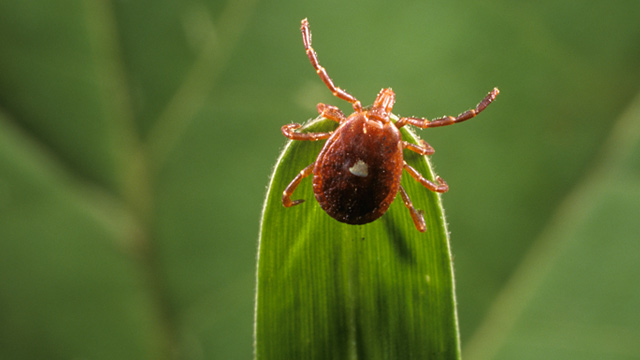
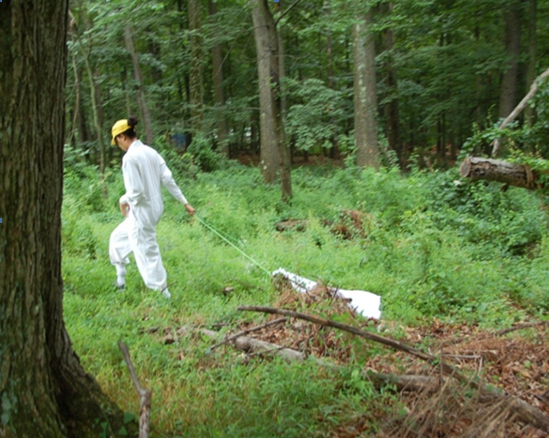
Are Southern Nymphal Deer Ticks Hiding? Southern nymphal deer ticks may behave differently than those in the Northeast, potentially reducing human exposure. In their article, Tietjen and colleagues from Texas A&M University explored whether immature stages of Ixodes scapularis reside in leaf litter or soil rather than on vegetation. Researchers collected samples of leaf litter, […]

Are Southern Nymphal Deer Ticks Hiding? Read More »

Knee pain, joints, knees

Lyme disease mimics prosthetic joint infection following knee replacement

Lyme Disease Mimics Prosthetic Joint Infection After Knee Replacement Lyme disease can mimic prosthetic joint infection, leading to unnecessary surgery and delayed diagnosis. An 83-year-old man from Pennsylvania was admitted with knee pain, erythema, and fever for 3 days. Examination revealed a moderate effusion and limited range of motion in a knee that had undergone

Lyme disease mimics prosthetic joint infection following knee replacement Read More »

delayed Babesia diagnosis

Delayed Babesia Diagnosis: Why Follow-Up Visits Matter

Delayed Babesia Diagnosis: Why Follow-Up Visits Matter A delayed Babesia diagnosis can occur when symptoms emerge after initial Lyme disease treatment, highlighting the importance of follow-up care. Doctors treated a 67-year-old woman for early Lyme disease with a 21-day course of amoxicillin after she presented with an erythema migrans rash. (She was allergic to doxycycline.)

Delayed Babesia Diagnosis: Why Follow-Up Visits Matter Read More »

park, recreational area, urban area

Infected Ticks in Urban Areas in the United Kingdom

Infected Ticks in Urban Areas in the United Kingdom Infected ticks in urban areas are an emerging concern, as studies show significant Lyme disease risk even in city environments. A recent study by Medlock and colleagues highlights the growing public health threat of Lyme disease in the United Kingdom. “There has been an increase in

Infected Ticks in Urban Areas in the United Kingdom Read More »

pills, antibiotics, medication

Babesia Combination Therapy: First-Line Treatment Options

Babesia Combination Therapy: First-Line Treatment Options Babesia combination therapy is essential because standard Lyme antibiotics like doxycycline do not treat Babesia infections. Babesia is a parasite, not a bacterium, and requires a different treatment approach—typically involving combination therapy. In an article published in The Nurse Practitioner, Paparone reviews clinical presentations of babesiosis and outlines treatment

Babesia Combination Therapy: First-Line Treatment Options Read More »

pacemaker

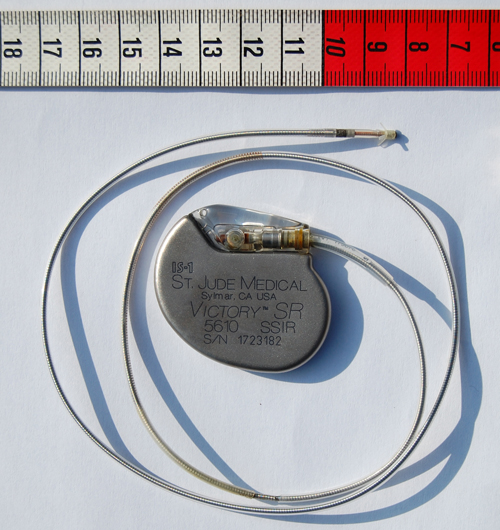
Can We Avoid Using a Pacemaker for Lyme Carditis With High-Degree AV Block?

Can We Avoid Using a Pacemaker for Lyme Carditis With High-Degree AV Block? Avoiding permanent pacemaker implantation in Lyme carditis can spare young patients years of device-related complications. When Lyme carditis is recognized early, temporary pacing and antibiotics may allow complete recovery without a permanent device. By Dr. Daniel Cameron Why Avoiding Pacemakers Matters Identifying

Can We Avoid Using a Pacemaker for Lyme Carditis With High-Degree AV Block? Read More »

Heartland virus cases

Heartland Virus Cases: What We Know from 10 Patients

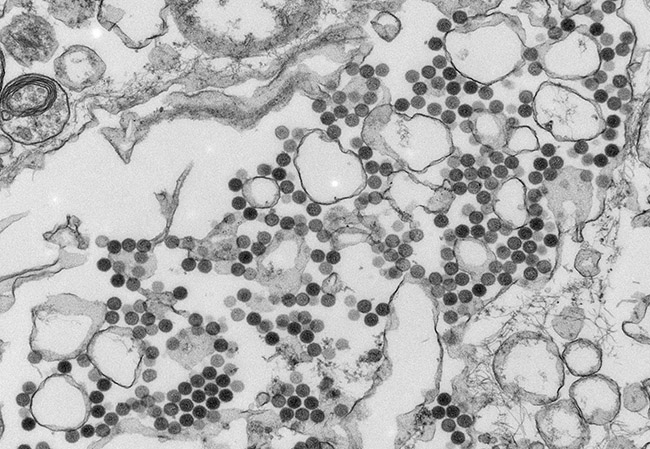
Heartland Virus Cases: What We Know from 10 Patients Heartland virus cases are increasing, yet this potentially deadly tick-borne illness remains poorly understood. Symptoms overlap with other tick-borne illnesses, including fever, headache, muscle and joint pain, fatigue, loss of appetite, and diarrhea. Patients typically become ill about two weeks after a tick bite. There is

Heartland Virus Cases: What We Know from 10 Patients Read More »

airport, plane, travelers

Lyme Disease Risk for International Travelers to the United States

Lyme Disease Risk for International Travelers to the United States Lyme disease remains a significant risk for international travelers visiting the United States, particularly in endemic regions. “Despite being a top international tourist destination, few sources describe the spectrum of infectious diseases acquired among travellers to the USA,” writes Stoney in the Journal of Travel

Lyme Disease Risk for International Travelers to the United States Read More »

Babesia Risk Expands: Citizen Scientists Identify Emerging Threat

Babesia Risk Expands: Citizen Scientists Identify Emerging Threat Babesia risk is expanding across the United States, with new data showing infected ticks in areas not previously considered endemic. A study by Nieto and colleagues used a citizen science approach to better understand human exposure to tick-borne infections, including Babesia microti. Unlike traditional surveillance, this study

Babesia Risk Expands: Citizen Scientists Identify Emerging Threat Read More »