
Contact us at 914-666-4665

Dr. Daniel Cameron

Board-certified physician with 38+ years specializing in Lyme disease and tick-borne illnesses. Past President of ILADS (International Lyme and Associated Diseases Society) and first author of ILADS treatment guidelines. Dr. Cameron operates a solo practice focused on patient advocacy and evidence-based Lyme disease treatment. He is the author of 1,100+ articles spanning diagnosis, treatment, co-infections, and recovery from tick-borne illnesses. His work challenges conventional approaches that often leave patients undiagnosed or undertreated, emphasizing clinical judgment over rigid adherence to testing criteria that frequently produce false negatives.

Dr. Daniel Cameron
tick bite red meat allergy

Tick Bite Red Meat Allergy: Alpha-Gal and Emerging European Risk

Tick Bite Red Meat Allergy: Alpha-Gal and Emerging European Risk Can a tick bite trigger a food allergy hours after eating? A tick bite red meat allergy—known as alpha-gal syndrome—has been linked to the Lone Star tick in the United States and may now involve European tick species as well. Alpha-gal is a sugar molecule […]

Tick Bite Red Meat Allergy: Alpha-Gal and Emerging European Risk Read More »

Congenital Babesiosis: Transmission Risk in Infants of Mothers with Lyme

Congenital Babesiosis: Transmission Risk in Infants of Mothers with Lyme Can Babesia be passed from mother to infant during pregnancy? Congenital babesiosis is rare but clinically significant. Two infants born to mothers with Lyme disease during pregnancy developed Babesia infections, highlighting the risk of unrecognized coinfection. These represent the first reported cases in which mothers

Congenital Babesiosis: Transmission Risk in Infants of Mothers with Lyme Read More »

Borrelia miyamotoi Canada

Borrelia miyamotoi in Canada: 10% Infection Rate Raises Coinfection Concerns

Borrelia miyamotoi in Canada: 10% Infection Rate Raises Coinfection Concerns Borrelia miyamotoi Canada cases may be more common than previously recognized. In a study from Manitoba, Kadkhoda and colleagues tested blood samples from 250 individuals with suspected or confirmed Lyme disease. Samples were collected between 2011 and 2014. The results were notable: 10% of participants

Borrelia miyamotoi in Canada: 10% Infection Rate Raises Coinfection Concerns Read More »

Babesia microti in Suffolk County: High Prevalence in Ticks

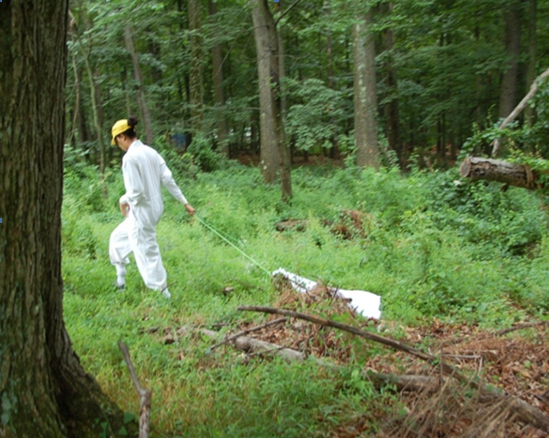
Babesia microti in Suffolk County: High Prevalence in Ticks Babesia microti Suffolk County infections are a growing concern, with tick surveillance studies showing high prevalence across multiple sites in New York and Connecticut. Babesia microti is a growing concern in Suffolk County, New York. Ticks were collected in 2015 and 2016 by tick dragging at

Babesia microti in Suffolk County: High Prevalence in Ticks Read More »

Ketamine for PTLDS Pain: Can It Help Refractory Lyme Symptoms?

Ketamine for PTLDS Pain: Can It Help Refractory Lyme Symptoms? Ketamine PTLDS pain management may offer relief for patients with refractory symptoms when standard therapies fail. A 31-year-old woman with post-treatment Lyme disease syndrome (PTLDS) had pain that was refractory to radiofrequency ablation, vitamin infusion therapy, opioid analgesics, and other pharmacotherapies. Her pain began gradually

Ketamine for PTLDS Pain: Can It Help Refractory Lyme Symptoms? Read More »

Lyme Disease Suicide Risk: An Underrecognized Patient Group

Lyme Disease Suicide Risk: An Underrecognized Patient Group Lyme disease suicide risk remains underrecognized despite growing evidence linking Lyme-associated diseases with psychiatric symptoms, including depression and suicidality. Bransfield’s colleagues from Howard University, Rush University Medical Center, and the University of North Dakota agree with his assessment, stating, “We would like to applaud the author for

Lyme Disease Suicide Risk: An Underrecognized Patient Group Read More »

Borrelia burgdorferi South America: Evidence Found in Brazil

Borrelia burgdorferi South America: Evidence Found in Brazil Borrelia burgdorferi South America findings provide important evidence supporting Lyme-like illness in Brazil and highlight gaps in surveillance. According to investigators, 2 of 35 Ixodes spp ticks tested positive for B. burgdorferi sensu lato (Bb s.l.). [1] This discovery was not entirely unexpected, given prior reports of

Borrelia burgdorferi South America: Evidence Found in Brazil Read More »

Chronic Lyme Disease Controversy: Doctors Seek Answers

Chronic Lyme Disease Controversy: Doctors Seek Answers Chronic Lyme disease controversy continues as physicians debate the quality of evidence and the need for better treatment studies. Greenberg’s Letter to the Editor states, “The recently published article by Shapiro et al hoped to be topical in this age of ‘alternative facts’ but fell short, providing mainly

Chronic Lyme Disease Controversy: Doctors Seek Answers Read More »

Pediatric PTLDS Symptoms: Children Remain Ill After Lyme Treatment

Pediatric PTLDS Symptoms: Children Remain Ill After Lyme Treatment Pediatric PTLDS symptoms can persist in some children after Lyme disease treatment, leaving families and clinicians searching for answers. The authors of a Netherlands study concluded that persistent symptoms were not due to active infection, largely because they lasted longer than 6 months. “As more than

Pediatric PTLDS Symptoms: Children Remain Ill After Lyme Treatment Read More »

Transfusion Transmitted Babesiosis in Non-Endemic States

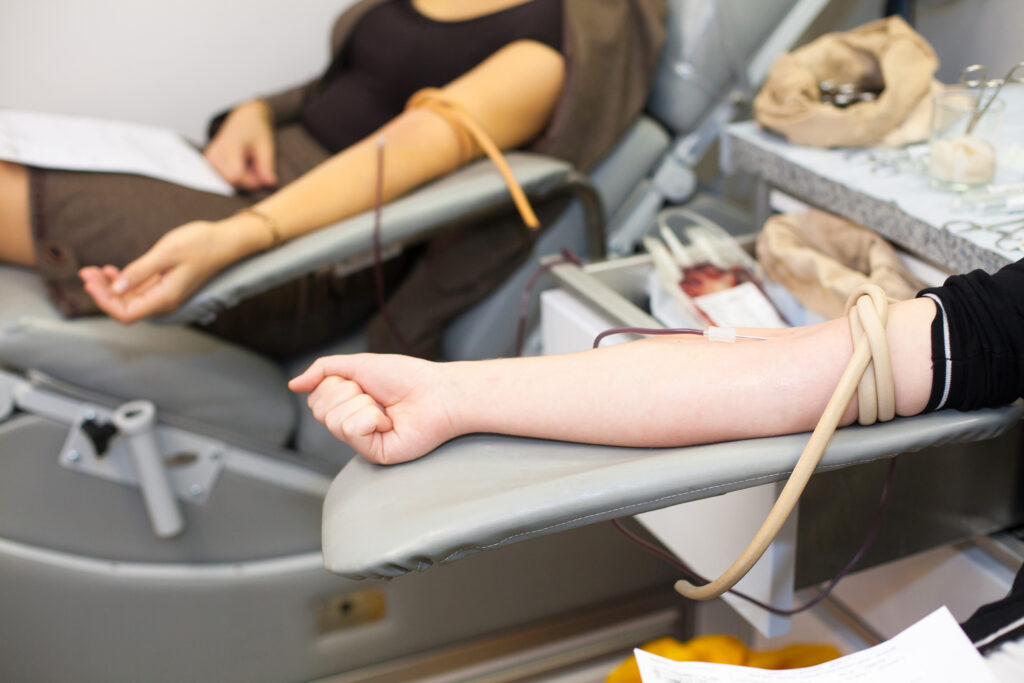
Transfusion Transmitted Babesiosis in Non-Endemic States Transfusion transmitted babesiosis is an emerging risk even in regions where Babesia is not considered endemic, raising concerns about coinfections and blood supply safety. Transfusion-transmitted babesiosis (TTB) is a growing concern — even in states where Babesia isn’t endemic. Cases have been reported in Maryland, South Carolina, and Nebraska,

Transfusion Transmitted Babesiosis in Non-Endemic States Read More »