
Contact us at 914-666-4665

Filter posts by category

Lyme Science Blog

Babesia Undertesting in Lyme Disease: A Hidden Gap in Diagnosis

Babesia Undertesting in Lyme Disease: A Hidden Gap in Diagnosis Babesia undertesting remains a significant gap in tick-borne disease management. A large study examining nearly 3 million specimens found that only 3% included testing for Babesia—despite evidence that many Lyme disease patients may also be co-infected. :contentReference[oaicite:0]{index=0} Babesia Undertesting: The Numbers Data from seven large […]

Babesia Undertesting in Lyme Disease: A Hidden Gap in Diagnosis Read More »

lyme meningitis parkinsonism

Lyme Meningitis Presenting as Parkinsonism: A Reversible Cause

Lyme Meningitis Presenting as Parkinsonism: A Reversible Cause Parkinsonian symptoms are typically associated with neurodegenerative disease. However, in some cases, infection may present with similar features. A reported case highlights Lyme meningitis presenting with parkinsonism that improved following antibiotic treatment. :contentReference[oaicite:0]{index=0} By Dr. Daniel Cameron When Parkinson’s Symptoms Have Another Cause A 79-year-old man developed

Lyme Meningitis Presenting as Parkinsonism: A Reversible Cause Read More »

Hair Loss in Lyme Disease: Why It Happens and Will It Grow Back?

Hair Loss in Lyme Disease: Why It Happens and Will It Grow Back? Can Lyme disease cause hair loss—and will it grow back? Some patients develop sudden hair loss during infection or recovery, often without a clear explanation. In many cases, the hair does return, but the pattern can be confusing and distressing. Hair loss

Hair Loss in Lyme Disease: Why It Happens and Will It Grow Back? Read More »

Lyme Literate Doctors and the Challenge of Individualized Care

Lyme Literate Doctors and the Challenge of Individualized Care Debate over “Lyme-literate doctors” often centers on treatment decisions in complex cases. A 2016 JAMA article highlighted concerns about prolonged antibiotic therapy following a reported adverse drug reaction. :contentReference[oaicite:0]{index=0} The Case: DRESS Syndrome After Treatment The case involved a 45-year-old woman treated for Lyme disease and

Lyme Literate Doctors and the Challenge of Individualized Care Read More »

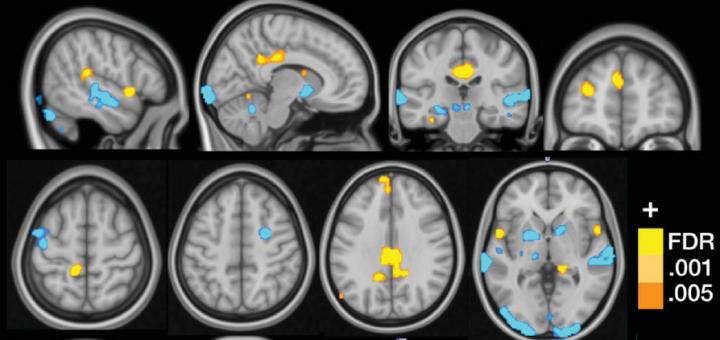
Credit: Cognitive and Affective Control Laboratory / University of Colorado Boulder.

Can Brain Imaging Measure Pain and Sensory Sensitivity in Lyme Disease?

Can Brain Imaging Measure Pain and Sensory Sensitivity in Lyme Disease? Patients with Lyme disease may experience exaggerated responses to pain and even non-painful stimuli, sometimes persisting despite treatment. :contentReference[oaicite:0]{index=0} Similar patterns have been described in fibromyalgia, a condition characterized by widespread pain, fatigue, and cognitive symptoms. Measuring the Brain’s Response Researchers have used functional

Can Brain Imaging Measure Pain and Sensory Sensitivity in Lyme Disease? Read More »

Lyme-Like Illness in Brazil: Similar Challenges in Diagnosis and Recognition

Lyme-Like Illness in Brazil: Similar Challenges in Diagnosis and Recognition Lyme-like illness in Brazil—often referred to as Baggio-Yoshinari Syndrome (BYS)—has been described with features similar to Lyme disease, including multisystem involvement and diagnostic challenges. :contentReference[oaicite:0]{index=0} Researchers note that, despite increasing reports of suspected cases, the condition remains under-recognized in parts of Brazil. Clinical Features Overlap

Lyme-Like Illness in Brazil: Similar Challenges in Diagnosis and Recognition Read More »

Hemifacial Spasm and Lyme Disease: When Treatment Response Raises Suspicion

Hemifacial Spasm and Lyme Disease: When Treatment Response Raises Suspicion Clinical response to treatment can sometimes provide clues to an underlying diagnosis. A reported case of hemifacial spasm (HFS) highlights how improvement following antibiotic therapy prompted further evaluation for Lyme disease. :contentReference[oaicite:0]{index=0} Initial Presentation A 44-year-old woman with no prior neurologic history developed persistent facial

Hemifacial Spasm and Lyme Disease: When Treatment Response Raises Suspicion Read More »

Seizures and Altered Mental Status After a Tick Bite

Seizures and Altered Mental Status After a Tick Bite Seizures and altered mental status following a tick bite may signal a serious tick-borne infection. A reported case highlights how delayed recognition of ehrlichiosis led to neurologic deterioration before appropriate treatment was initiated. :contentReference[oaicite:0]{index=0} By Dr. Daniel Cameron Initial Presentation A 66-year-old woman developed fever, fatigue,

Seizures and Altered Mental Status After a Tick Bite Read More »

Fatigue in Lyme Disease: A Common but Overlooked Symptom

Fatigue in Lyme Disease: A Common but Overlooked Symptom Fatigue is one of the most common symptoms of Lyme disease, yet it is often underestimated or attributed to other causes. It can appear early in infection and persist in later stages, sometimes becoming one of the most disabling features of illness. :contentReference[oaicite:0]{index=0} Fatigue in Early

Fatigue in Lyme Disease: A Common but Overlooked Symptom Read More »

PTLDS symptoms

Autoimmune Arthritis After Lyme Disease: Could Infection Still Be Present?

Autoimmune Arthritis After Lyme Disease: Could Infection Still Be Present? Patients who develop systemic autoimmune joint disease following Lyme disease are often treated with anti-inflammatory therapies, including disease-modifying anti-rheumatic drugs (DMARDs). However, an important clinical question remains: could a persistent infection still be contributing to symptoms? Treatment Approaches After Lyme Disease In one study, patients

Autoimmune Arthritis After Lyme Disease: Could Infection Still Be Present? Read More »