
Contact us at 914-666-4665

Filter posts by category

Lyme Science Blog

The True Cost of Lyme Disease: A Growing Economic Burden

The True Cost of Lyme Disease: A Growing Economic Burden Lyme disease carries a significant cost—not only to individual patients, but to society as a whole. When persistent symptoms develop, the financial impact rises sharply. :contentReference[oaicite:0]{index=0} Cost of Early vs Chronic Lyme Disease For patients with early Lyme disease, the average annual cost is relatively […]

The True Cost of Lyme Disease: A Growing Economic Burden Read More »
Is Lyme Disease New? Ancient Origins of the Lyme Bacterium

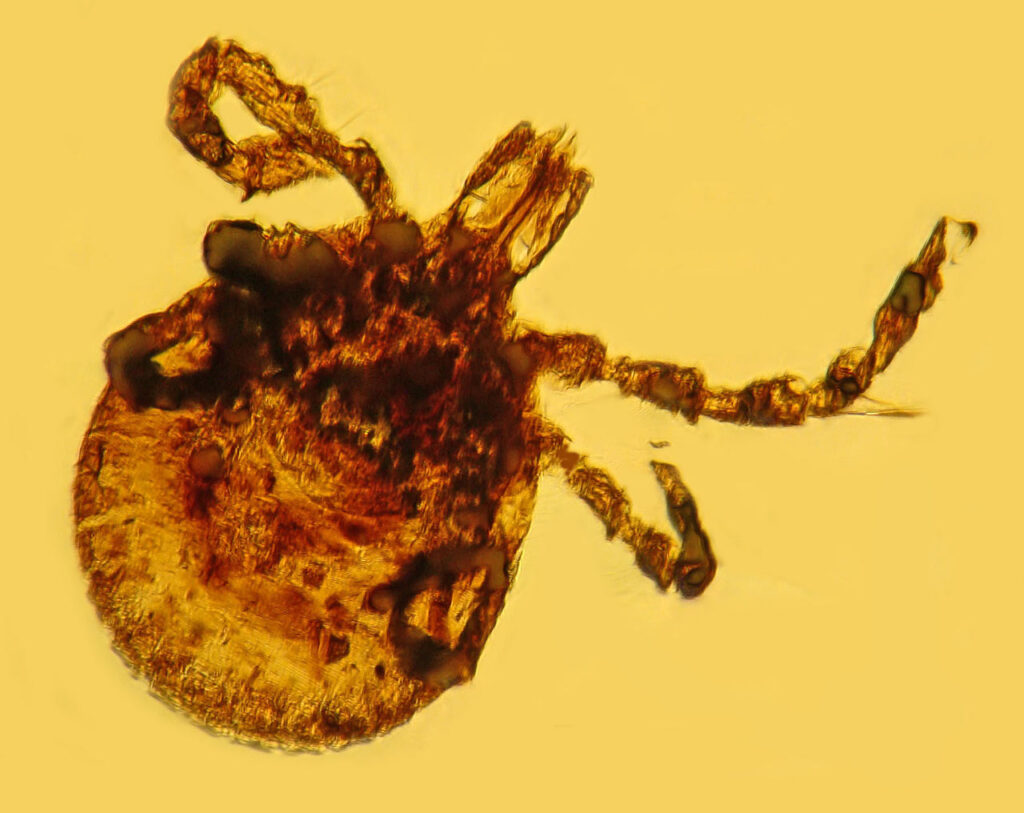
Is Lyme Disease New? Is Lyme disease new? Although Lyme disease was first recognized in Connecticut in the 1970s, evidence suggests the bacteria responsible for the illness have existed for thousands — and possibly millions — of years. Scientists have identified Lyme-like bacteria in ancient ticks preserved in amber and even in the DNA of

Is Lyme Disease New? Ancient Origins of the Lyme Bacterium Read More »

Child examined for Lyme disease knee arthritis

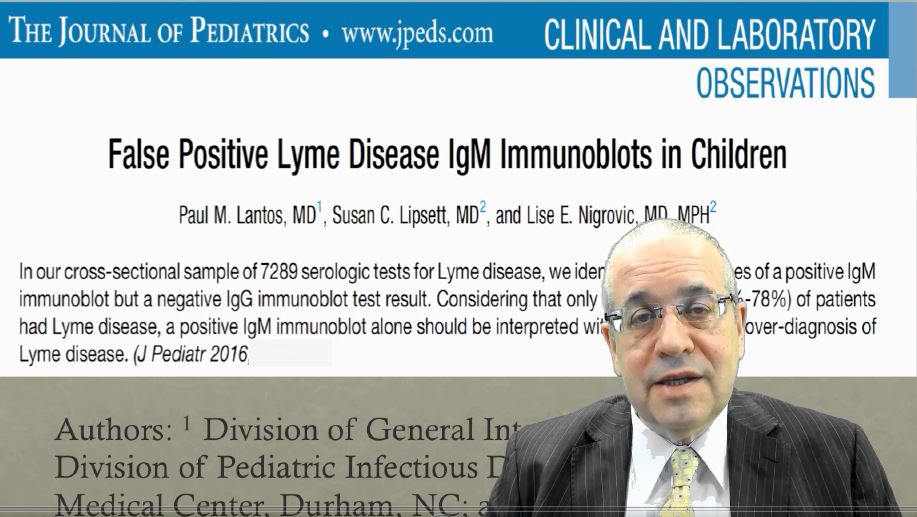
IgM Immunoblot in Children: When a Positive Test Matters

IgM Immunoblot in Children: When a Positive Test Matters The accuracy of IgM immunoblot testing for Lyme disease has been debated for years—particularly when IgM is positive but IgG remains negative. This question is especially important in children, where early diagnosis can influence long-term outcomes. :contentReference[oaicite:0]{index=0} Children are among the age groups most frequently affected

IgM Immunoblot in Children: When a Positive Test Matters Read More »

Researchers identify novel drug combinations to combat Lyme persister cells

New Drug Combinations Target Lyme Persister Cells

New Drug Combinations Target Lyme Persister Cells Researchers have identified novel drug combinations that may be effective against Lyme disease “persister” cells—forms of Borrelia burgdorferi that appear more tolerant to standard antibiotics in laboratory studies. :contentReference[oaicite:0]{index=0} What Are Persister Forms? Under stress—such as exposure to antibiotics or nutrient limitation—the Lyme bacterium can change shape. Instead

New Drug Combinations Target Lyme Persister Cells Read More »

Sick for years with Post-Treatment Lyme Disease Syndrome

Post-Treatment Lyme Disease Syndrome: Why Some Patients Remain Ill for Years

Post-Treatment Lyme Disease Syndrome: Why Some Patients Remain Ill for Years Post-Treatment Lyme Disease Syndrome (PTLDS) describes patients who continue to experience symptoms months or even years after treatment. A growing body of research highlights the long-term impact of Lyme disease in a subset of individuals. :contentReference[oaicite:0]{index=0} Persistent Symptoms Are Well Documented Several studies have

Post-Treatment Lyme Disease Syndrome: Why Some Patients Remain Ill for Years Read More »

problems with 2-week course of antibiotics for Lyme disease

Do Short Courses of Antibiotics Fall Short in Lyme Disease?

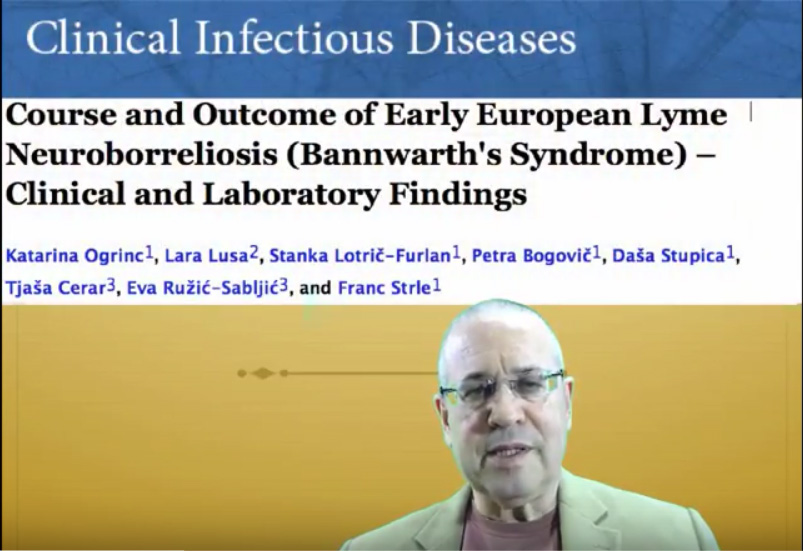
Do Short Courses of Antibiotics Fall Short in Lyme Disease? Standard treatment for Lyme disease often includes a 2–3 week course of antibiotics. However, several studies have raised questions about whether this duration is sufficient for all patients. :contentReference[oaicite:0]{index=0} Early Concerns About Treatment Duration As early as 1990, Logigian and colleagues suggested that a two-week

Do Short Courses of Antibiotics Fall Short in Lyme Disease? Read More »

Reversible causes of Dementia

Lyme Disease as a Reversible Cause of Dementia

Lyme Disease as a Reversible Cause of Dementia Cognitive decline is often attributed to conditions such as Alzheimer’s disease or normal pressure hydrocephalus. However, in some cases, Lyme disease may present with similar symptoms—and may be reversible with appropriate treatment. :contentReference[oaicite:0]{index=0} When Dementia Isn’t Dementia Reports have described individuals initially diagnosed with dementia who were

Lyme Disease as a Reversible Cause of Dementia Read More »

LADS Lyme disease guidelines rank in top 5% of all research articles

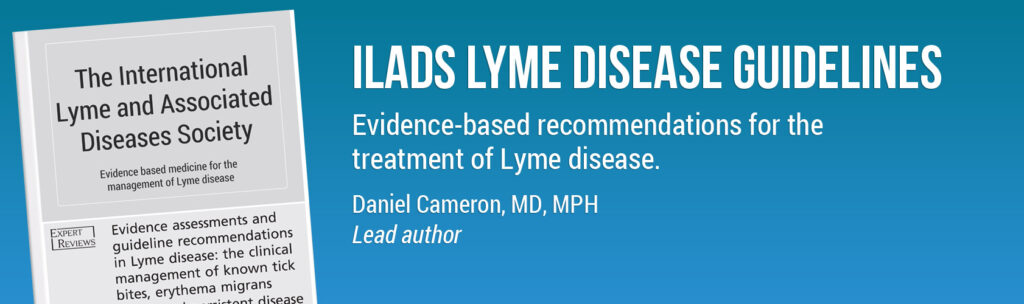
ILADS Lyme Disease Guidelines Rank in Top 5% of Research Articles

ILADS Lyme Disease Guidelines Rank in Top 5% of Research Articles The ILADS Lyme disease guidelines have ranked in the top 5% of all research articles, based on Altmetric scoring—highlighting their reach and influence beyond traditional citation metrics. :contentReference[oaicite:0]{index=0} What Is an Altmetric Score? Altmetrics track how research is discussed and shared across news outlets,

ILADS Lyme Disease Guidelines Rank in Top 5% of Research Articles Read More »

Lyme disease Netherlands clinical trial

Netherlands Trial: Does It Really Support Short-Term Lyme Disease Therapy?

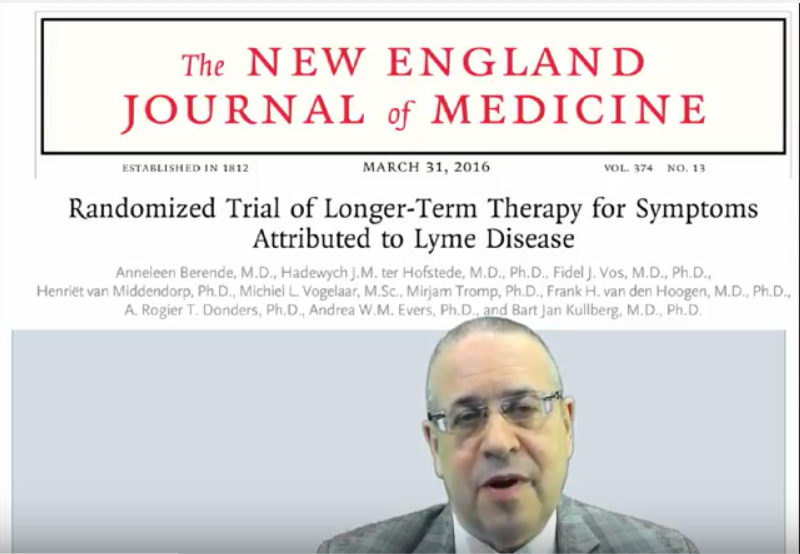
Netherlands Trial: Does It Really Support Short-Term Lyme Disease Therapy? A randomized trial published in the New England Journal of Medicine evaluated whether longer-term antibiotic treatment improves outcomes in patients with persistent symptoms attributed to Lyme disease. :contentReference[oaicite:0]{index=0} The authors concluded that longer-term therapy did not provide additional benefit compared to shorter-term treatment. Who Was

Netherlands Trial: Does It Really Support Short-Term Lyme Disease Therapy? Read More »

JAMA review ignores chronic manifestations of Lyme disease

JAMA Review Overlooks Chronic Manifestations of Lyme Disease

JAMA Review Overlooks Chronic Manifestations of Lyme Disease A JAMA review concluded that short courses of antibiotics—such as 10 days of doxycycline for erythema migrans and 14 days for early neurologic Lyme disease—are effective. :contentReference[oaicite:0]{index=0} However, the review excluded a substantial body of literature describing persistent symptoms and chronic manifestations of Lyme disease. What Was

JAMA Review Overlooks Chronic Manifestations of Lyme Disease Read More »