
Contact us at 914-666-4665

Filter posts by category

Lyme Science Blog

Lyme Disease Risk May Be Underestimated in North Carolina<

Lyme Disease Risk May Be Underestimated in North Carolina What if Lyme disease risk exists in areas not officially labeled as endemic? Evidence from North Carolina suggests that infected ticks may be present even when public health maps say otherwise. This raises an important question: do current Lyme disease maps fully reflect real-world exposure risk? […]

Lyme Disease Risk May Be Underestimated in North Carolina< Read More »

Top Lyme Disease Blog Topics from 2016: What Still Matters Today

Top Lyme Disease Blog Topics from 2016: What Still Matters Today Some Lyme disease topics continue to surface year after year. Others highlight gaps in diagnosis, treatment, or awareness that remain relevant today. Looking back at these widely read posts offers insight into patterns clinicians and patients still encounter—from neurologic complications to co-infections and treatment

Top Lyme Disease Blog Topics from 2016: What Still Matters Today Read More »

Lyme Disease in the South: Additional Evidence from North Carolina Ticks

Lyme Disease in the South: Additional Evidence from North Carolina Ticks Lyme disease is often thought of as a Northeastern illness. But growing evidence suggests that Borrelia burgdorferi-infected ticks may also be established in parts of the Southeast. Findings from North Carolina raise an important point: infected ticks may persist in regions not always recognized

Lyme Disease in the South: Additional Evidence from North Carolina Ticks Read More »

Eye Problems in Lyme Disease and Coinfections

Eye Problems in Lyme Disease and Coinfections Ocular symptoms can occur in Lyme disease, but they may also be seen—less commonly—in other tick-borne infections. “Knowledge of systemic and ophthalmic manifestations combined with an understanding of the epidemiology of disease vectors is crucial for the diagnosis of tick-borne diseases,” explains Sathiamoorthi. While eye involvement is described

Eye Problems in Lyme Disease and Coinfections Read More »

Babesia Undertesting in Lyme Disease: A Hidden Gap in Diagnosis

Babesia Undertesting in Lyme Disease: A Hidden Gap in Diagnosis Babesia undertesting remains a significant gap in tick-borne disease management. A large study examining nearly 3 million specimens found that only 3% included testing for Babesia—despite evidence that many Lyme disease patients may also be co-infected. :contentReference[oaicite:0]{index=0} Babesia Undertesting: The Numbers Data from seven large

Babesia Undertesting in Lyme Disease: A Hidden Gap in Diagnosis Read More »

DOES THIS LOOK LIKE PARKINSON’S DISEASE

Lyme Meningitis Presenting as Parkinsonism: A Reversible Cause

Lyme Meningitis and Parkinsonism: A Reversible Cause of Parkinson-Like Symptoms Parkinson-like symptoms are typically associated with neurodegenerative disease—but in some cases, infection may be the cause. Lyme meningitis can present with parkinsonian features that may improve with appropriate treatment. A reported case highlights Lyme meningitis presenting with parkinsonism that improved following antibiotic therapy. By Dr.

Lyme Meningitis Presenting as Parkinsonism: A Reversible Cause Read More »

WHY AM I LOSING MY HAIR

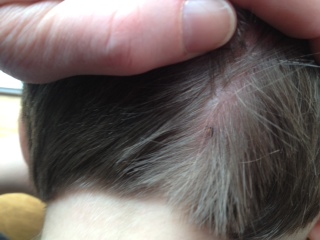
Hair Loss in Lyme Disease: Why It Happens and Will It Grow Back?

Hair Loss in Lyme Disease: Why It Happens and Will It Grow Back? Can Lyme disease cause hair loss—and will it grow back? Some patients develop sudden hair loss during infection or recovery, often without a clear explanation. In many cases, the hair does return, but the pattern can be confusing and distressing. Hair loss

Hair Loss in Lyme Disease: Why It Happens and Will It Grow Back? Read More »

Lyme Literate Doctors and the Challenge of Individualized Care

Lyme Literate Doctors and the Challenge of Individualized Care Debate over “Lyme-literate doctors” often centers on treatment decisions in complex cases. A 2016 JAMA article highlighted concerns about prolonged antibiotic therapy following a reported adverse drug reaction. :contentReference[oaicite:0]{index=0} The Case: DRESS Syndrome After Treatment The case involved a 45-year-old woman treated for Lyme disease and

Lyme Literate Doctors and the Challenge of Individualized Care Read More »

Credit: Cognitive and Affective Control Laboratory / University of Colorado Boulder.

Can Brain Imaging Measure Pain and Sensory Sensitivity in Lyme Disease?

Can Brain Imaging Measure Pain and Sensory Sensitivity in Lyme Disease? Patients with Lyme disease may experience exaggerated responses to pain and even non-painful stimuli, sometimes persisting despite treatment. :contentReference[oaicite:0]{index=0} Similar patterns have been described in fibromyalgia, a condition characterized by widespread pain, fatigue, and cognitive symptoms. Measuring the Brain’s Response Researchers have used functional

Can Brain Imaging Measure Pain and Sensory Sensitivity in Lyme Disease? Read More »

Lyme-Like Illness in Brazil: Similar Challenges in Diagnosis and Recognition

Lyme-Like Illness in Brazil: Why Diagnosis Remains Challenging SYMPTOMS THAT LOOK LIKE LYME? BUT TESTS DON’T CONFIRM? Is there a Lyme-like illness in Brazil—and why is it so difficult to diagnose? Quick Answer: A condition referred to as Baggio-Yoshinari Syndrome (BYS) has been described in Brazil with symptoms similar to Lyme disease. However, diagnostic uncertainty

Lyme-Like Illness in Brazil: Similar Challenges in Diagnosis and Recognition Read More »