
Lyme Disease
Lyme Disease
Lyme Disease Co-infections: What You Need to Know
Lyme disease co-infections occur when a single tick bite transmits multiple pathogens. Up to 40% of Lyme patients in some regions also carry Babesia, Bartonella, Anaplasmosis, or Ehrlichia—yet these infections are frequently missed
When co-infections go unrecognized, patients don’t fully recover. Standard Lyme treatment won’t clear a parasite like Babesia or intracellular bacteria like Anaplasmosis. Understanding Lyme disease co-infections is essential for anyone who isn’t getting better despite treatment.

Why Co-infections Matter
Ticks don’t carry just one pathogen—they can harbor several at once. A single bite can transmit bacteria (Borrelia, Anaplasma, Ehrlichia, Bartonella), parasites (Babesia species), and viruses (Powassan, others).
Co-infections typically make symptoms more severe, treatment more complicated, and recovery longer. Patients with multiple infections often experience symptoms that don’t fit neatly into one diagnosis—which leads to confusion, misdiagnosis, and delayed care.
If you’ve been treated for Lyme disease but still feel sick, a co-infection may be the reason.
Lyme Disease Co-infection
Babesia
Lyme Disease Co-infection
Babesia
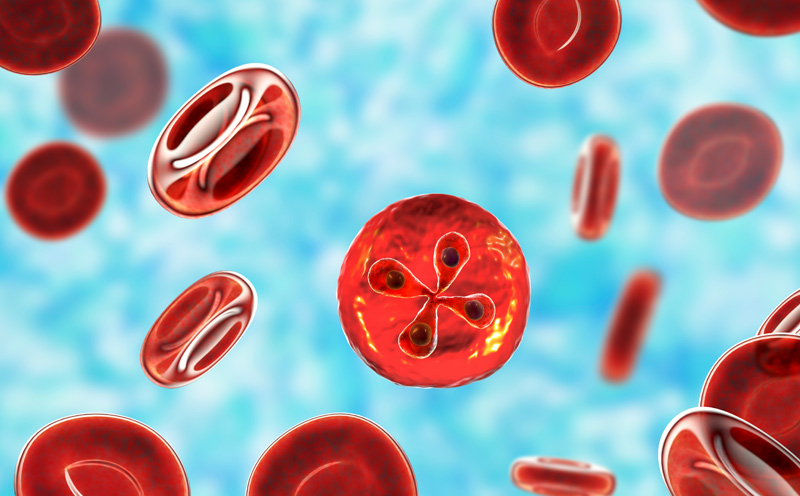
Babesia is a malaria-like parasite that infects red blood cells. It’s the most common Lyme disease co-infection in the Northeast and Midwest, with up to 40% of Lyme patients in some areas also testing positive. Key symptoms:- Drenching night sweats
- Air hunger (shortness of breath with normal oxygen)
- Profound fatigue beyond typical Lyme exhaustion
- Cycling fevers and chills
- Babesia and Lyme: It’s Worse Than You Think
- Night Sweats: The Symptom Doctors Miss
- Babesia Air Hunger: When Breathing Feels Manual
- Babesia Testing: Why Negative Doesn’t Mean Negative
- Babesia Treatment Protocol: When Lyme Therapy Fails
- Babesia Treatment Duration: How Long Is Long Enough?

Lyme Disease Co-infection
Ehrlichia
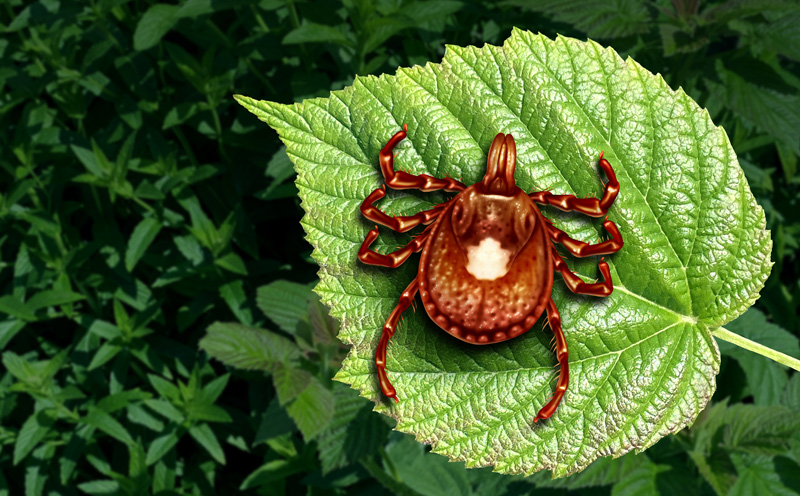
Ehrlichiosis is caused primarily by Ehrlichia chaffeensis and transmitted by the Lone Star tick. It attacks white blood cells, potentially causing severe illness if untreated.
Key symptoms:
- Fever, headache
- Fatigue, muscle aches
- Nausea, vomiting
- Confusion (in severe cases)
Why it’s missed: Similar presentation to Anaplasmosis and other tick-borne diseases. Geographic distribution differs—Ehrlichiosis is more common in the Southeast and South-Central U.S.
Treatment: Doxycycline is the treatment of choice. Delayed treatment can lead to hospitalization.
Lyme Disease Co-infection
Anaplasma
Anaplasmosis (formerly Human Granulocytic Ehrlichiosis) is caused by the bacterium Anaplasma phagocytophilum. It’s transmitted by the same black-legged tick that carries Lyme disease.
Key symptoms:
- High fever, chills
- Severe headache
- Muscle aches
- Fatigue, malaise
Why it’s missed: Symptoms overlap with Lyme and other flu-like illnesses. Without specific testing, Anaplasmosis is often overlooked—especially when Lyme is already diagnosed.
Treatment: Responds to doxycycline, the same antibiotic used for Lyme. However, treatment duration and monitoring may differ when co-infection is present.


Lyme Disease Co-infection
Bartonella
Bartonella species cause several human diseases, most famously “cat scratch fever.” While traditionally associated with flea bites and cat scratches, Bartonella has been found in ticks—including black-legged ticks that transmit Lyme.
Key symptoms:
- Streak-like rash (in some patients)
- Swollen lymph nodes
- Neuropsychiatric symptoms — anxiety, irritability, rage
- Fatigue, headaches, fever
Why it’s missed: Testing is unreliable, and many physicians don’t consider tick-borne Bartonella. Psychiatric symptoms may be attributed to stress or mental illness rather than infection.
Lyme Disease Co-infection
Other Tick-Borne Diseases
Ticks can transmit many diseases beyond Lyme and its common co-infections. Here are some other tick-borne illnesses patients should know about.
Powassan Virus:
- What is the Powassan Virus?
- Powassan Virus in Children
- Powassan Encephalitis After Camping Trip
- → See all Powassan articles
Borrelia miyamotoi:
- What is Borrelia miyamotoi?
- Borrelia miyamotoi Transmitted from Mother to Offspring
- → See all Borrelia miyamotoi articles
Alpha-gal Syndrome:
Emerging Diseases:
Rocky Mountain Spotted Fever:
STARI:
When to Suspect Co-infections
Consider Lyme disease co-infections if:
- Symptoms are unusually severe
- You’re not improving with standard Lyme treatment
- You relapse after completing antibiotics
- Night sweats, air hunger, or high fevers are prominent
- Neuropsychiatric symptoms don’t fit the typical Lyme pattern
Co-infections don’t always show up on tests.
Clinical judgment—based on symptoms, exposure history, and treatment response—often guides diagnosis.
Frequently Asked Questions
Can you get multiple infections from one tick bite?
Yes. A single tick can carry several pathogens simultaneously, transmitting them all in one bite. This is why co-infections are so common in Lyme patients.
Why don’t standard Lyme antibiotics work for all co-infections?
Lyme disease is bacterial, but Babesia is a parasite—it requires antiparasitic medications. Bartonella may need different antibiotics than those used for Lyme. Each pathogen requires targeted treatment.
How are co-infections diagnosed?
Testing exists for most co-infections, but sensitivity varies. Blood smears, PCR, and antibody tests each have limitations. Clinical diagnosis based on symptoms is often necessary.
Do co-infections make Lyme disease worse?
Yes. Studies
Related Resources
- ==Babesia and Lyme: What Patients Need to Know – Complete Babesia hub
- Lyme Disease Symptoms
- Post-Treatment Lyme Disease Syndrome (PTLDS)
- Autonomic Dysfunction in Lyme Disease
- Lyme Disease Misconceptions
If you’re struggling with persistent symptoms despite Lyme treatment, co-infections may be part of the picture. Identifying and treating all tick-borne pathogens is often the key to recovery.
If you’re struggling with persistent symptoms despite Lyme treatment, co-infections may be part of the picture. Identifying and treating all tick-borne pathogens is often the key to recovery.
More About Lyme Disease
Learn More

Learn More
Learn More