Contact us at 914-666-4665

Dr. Daniel Cameron

Board-certified physician with 38+ years specializing in Lyme disease and tick-borne illnesses. Past President of ILADS (International Lyme and Associated Diseases Society) and first author of ILADS treatment guidelines. Dr. Cameron operates a solo practice focused on patient advocacy and evidence-based Lyme disease treatment. He is the author of 1,100+ articles spanning diagnosis, treatment, co-infections, and recovery from tick-borne illnesses. His work challenges conventional approaches that often leave patients undiagnosed or undertreated, emphasizing clinical judgment over rigid adherence to testing criteria that frequently produce false negatives.

Dr. Daniel Cameron

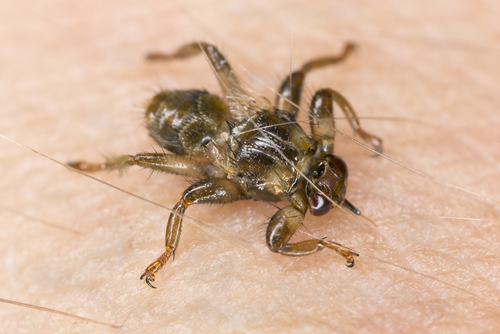
Deer Keds and Lyme Disease: No Evidence of Transmission

Deer Keds and Lyme Disease: No Evidence of Transmission Do deer keds transmit Lyme disease? Despite growing interest and concern, current evidence does not support transmission of Borrelia burgdorferi or Anaplasma phagocytophilum to humans. This retraction clarifies earlier interpretations and highlights an important distinction between deer keds and deer flies. Deer Keds vs. Deer Flies: […]

Deer Keds and Lyme Disease: No Evidence of Transmission Read More »

Don’t dismiss the poor quality of life for individuals with Lyme disease

Don’t Dismiss the Poor Quality of Life in Lyme Disease

Don’t Dismiss the Poor Quality of Life in Lyme Disease Lyme disease quality of life is often underestimated in research. A recent Clinical Infectious Diseases study concluded that both mental and physical health scores improved to average over time, regardless of disease stage or severity at diagnosis. [1] However, the authors excluded participants with pre-existing

Don’t Dismiss the Poor Quality of Life in Lyme Disease Read More »

Tick-borne co-infections are the norm, not the exception

Tick-Borne Coinfections Are the Norm, Not the Exception

Tick-Borne Coinfections Are the Norm, Not the Exception Tick-borne coinfections are common in Lyme disease and may influence both symptoms and treatment. Lyme disease was first identified in 1975 in children and adolescents in Connecticut who presented with recurrent joint swelling and pain, initially diagnosed as juvenile rheumatoid arthritis. “The typical patient has had 3

Tick-Borne Coinfections Are the Norm, Not the Exception Read More »

What might sudden cardiac death due to Lyme disease look like?

What Does Sudden Cardiac Death from Lyme Disease Look Like?

What Does Sudden Cardiac Death from Lyme Disease Look Like? Lyme carditis sudden death is rare but preventable. Fatal Lyme carditis is often not recognized during life, leading to missed opportunities for treatment. :contentReference[oaicite:0]{index=0} In reviewing five postmortem cases, Muehlenbachs and colleagues found that Lyme disease was not suspected in one patient with episodic shortness

What Does Sudden Cardiac Death from Lyme Disease Look Like? Read More »

Level with Lyme disease patients, at least 1 in 3 can fail treatment

Lyme Disease Treatment Failure: At Least 1 in 3 Patients Remain Ill

Lyme Disease Treatment Failure: At Least 1 in 3 Patients Remain Ill Lyme disease treatment failure is more common than often recognized. While guidelines have suggested that persistent symptoms are uncommon, a growing body of evidence shows that many patients remain ill despite standard antibiotic therapy. :contentReference[oaicite:0]{index=0} The Infectious Diseases Society of America (IDSA) has

Lyme Disease Treatment Failure: At Least 1 in 3 Patients Remain Ill Read More »

Probiotics can be priceless in preventing Clostridium difficile-associated diarrhea

Probiotics May Help Prevent C. difficile in Lyme Disease Treatment

Probiotics May Help Prevent C. difficile in Lyme Disease Treatment Probiotics may reduce the risk of C. difficile infection in Lyme disease patients receiving antibiotics. With at least 300,000 new cases of Lyme disease each year in the United States, many patients require antibiotic therapy, which can increase the risk of Clostridium difficile-associated diarrhea (CDAD).

Probiotics May Help Prevent C. difficile in Lyme Disease Treatment Read More »

How Lyme myocarditis might present in an adolescent patient

Lyme Myocarditis in Adolescents: Atypical Symptoms Can Be Misleading

Lyme Myocarditis in Adolescents: Atypical Symptoms Can Be Misleading Lyme myocarditis in adolescents often presents with gastrointestinal or respiratory symptoms rather than classic cardiac complaints. A 15-year-old girl with severe epigastric pain was initially evaluated for gallbladder disease before Lyme myocarditis was identified. Her troponin was 50 times the threshold for heart attack, yet chest

Lyme Myocarditis in Adolescents: Atypical Symptoms Can Be Misleading Read More »

Doxycycline and Pancreatitis: Is It Really the Cause?

Doxycycline and Pancreatitis: Is It Really the Cause? Study examines doxycycline as a possible cause of acute pancreatitis. Doxycycline is rarely a cause of pancreatitis, even in patients treated for suspected Lyme disease. A reported case attributed acute pancreatitis to doxycycline after only three days of therapy, but alternative explanations were not fully considered. :contentReference[oaicite:0]{index=0}

Doxycycline and Pancreatitis: Is It Really the Cause? Read More »

No commercial diagnostic tests available for emerging tick-borne diseases

Lyme Disease Testing Limitations: Emerging Infections Without Reliable Tests

Lyme Disease Testing Limitations: Emerging Infections Without Reliable Tests Lyme disease testing limitations are becoming increasingly apparent as new Borrelia species are discovered. While diagnostic tools remain limited for standard Lyme disease, there are currently no widely available commercial tests for many emerging tick-borne infections. :contentReference[oaicite:0]{index=0} The Discovery of New Borrelia Species Researchers at Mayo

Lyme Disease Testing Limitations: Emerging Infections Without Reliable Tests Read More »

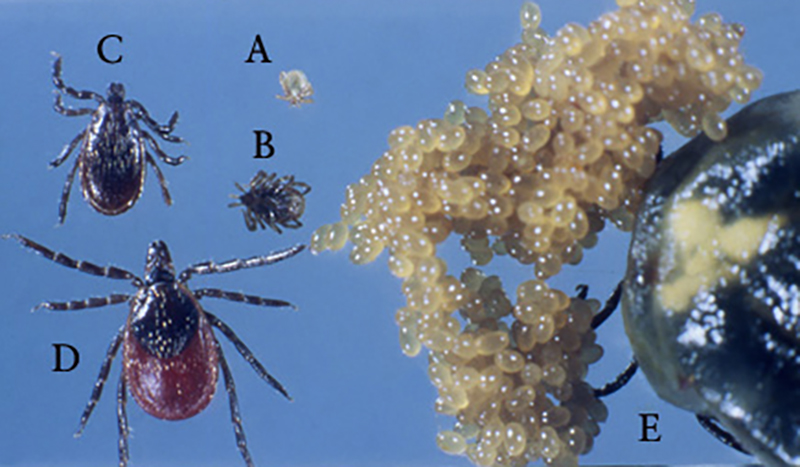
Larval Ticks and Lyme Disease: Are They a Hidden Risk?

Larval Ticks and Lyme Disease: Are They a Hidden Risk? Larval ticks and Lyme disease risk may be underestimated. A study published in Parasites & Vectors suggests that larval tick bites—often unnoticed—may contribute to transmission of Borrelia infections. Researchers found that larvae of Ixodes ricinus can transmit Borrelia afzelii and Borrelia miyamotoi to rodents. :contentReference[oaicite:0]{index=0}

Larval Ticks and Lyme Disease: Are They a Hidden Risk? Read More »