
Contact us at 914-666-4665

Dr. Daniel Cameron

Board-certified physician with 38+ years specializing in Lyme disease and tick-borne illnesses. Past President of ILADS (International Lyme and Associated Diseases Society) and first author of ILADS treatment guidelines. Dr. Cameron operates a solo practice focused on patient advocacy and evidence-based Lyme disease treatment. He is the author of 1,100+ articles spanning diagnosis, treatment, co-infections, and recovery from tick-borne illnesses. His work challenges conventional approaches that often leave patients undiagnosed or undertreated, emphasizing clinical judgment over rigid adherence to testing criteria that frequently produce false negatives.

Dr. Daniel Cameron

Doxycycline and Pancreatitis: Is It Really the Cause?

Doxycycline and Pancreatitis: Is It Really the Cause? Study examines doxycycline as a possible cause of acute pancreatitis. Doxycycline is rarely a cause of pancreatitis, even in patients treated for suspected Lyme disease. A reported case attributed acute pancreatitis to doxycycline after only three days of therapy, but alternative explanations were not fully considered. :contentReference[oaicite:0]{index=0} […]

Doxycycline and Pancreatitis: Is It Really the Cause? Read More »

No commercial diagnostic tests available for emerging tick-borne diseases

Lyme Disease Testing Limitations: Emerging Infections Without Reliable Tests

Lyme Disease Testing Limitations: Emerging Infections Without Reliable Tests Lyme disease testing limitations are becoming increasingly apparent as new Borrelia species are discovered. While diagnostic tools remain limited for standard Lyme disease, there are currently no widely available commercial tests for many emerging tick-borne infections. :contentReference[oaicite:0]{index=0} The Discovery of New Borrelia Species Researchers at Mayo

Lyme Disease Testing Limitations: Emerging Infections Without Reliable Tests Read More »

Larval Ticks and Lyme Disease: Are They a Hidden Risk?

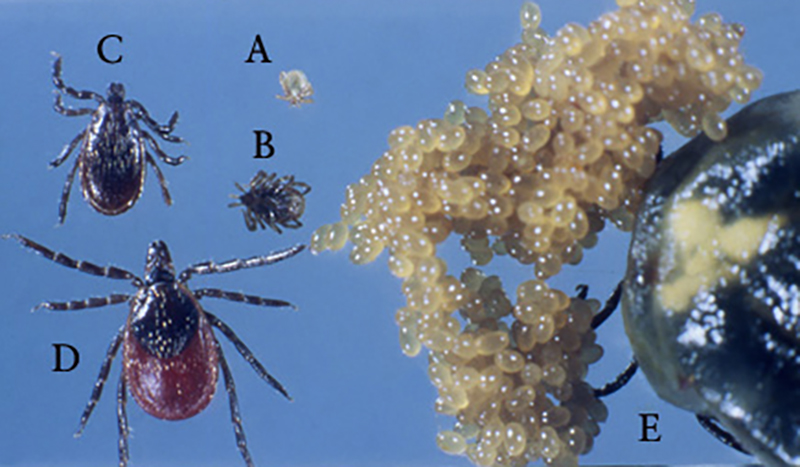
Larval Ticks and Lyme Disease: Are They a Hidden Risk? Larval ticks and Lyme disease risk may be underestimated. A study published in Parasites & Vectors suggests that larval tick bites—often unnoticed—may contribute to transmission of Borrelia infections. Researchers found that larvae of Ixodes ricinus can transmit Borrelia afzelii and Borrelia miyamotoi to rodents. :contentReference[oaicite:0]{index=0}

Larval Ticks and Lyme Disease: Are They a Hidden Risk? Read More »

Different response by CDC to spread of Zika virus vs. Lyme disease-carrying ticks

Lyme Disease CDC Response vs Zika: A Public Health Gap

Lyme Disease CDC Response vs Zika: A Public Health Gap The Lyme disease CDC response has not matched the urgency seen with other emerging infectious threats. While both Lyme disease and Zika virus can lead to serious long-term health complications, the public health response to these conditions has differed significantly. :contentReference[oaicite:0]{index=0} The CDC responded to

Lyme Disease CDC Response vs Zika: A Public Health Gap Read More »

Lyme Disease Cognitive Impairment: Persistent Effects After Stroke

Lyme Disease Cognitive Impairment: Persistent Effects After Stroke Lyme disease cognitive impairment can persist even after treatment and recovery from acute complications. A growing body of research suggests that infectious agents may contribute to long-term cognitive decline. :contentReference[oaicite:0]{index=0} A study by Nimgaonkar and colleagues found that exposure to infectious agents—including CMV, HSV-1, HSV-2, and Toxoplasma

Lyme Disease Cognitive Impairment: Persistent Effects After Stroke Read More »

Limits on antibiotics for Lyme disease leave doctors in Limbo

Limits on Antibiotics for Lyme Disease: Why Doctors Are in Limbo

Limits on Antibiotics for Lyme Disease: Why Doctors Are in Limbo Limits on antibiotics for Lyme disease leave many patients and physicians navigating uncertainty when symptoms persist. As many as one-third of patients remain ill on long-term follow-up, with ongoing arthritis, neurocognitive impairment, and neurologic complications. :contentReference[oaicite:0]{index=0} A population-based study in Massachusetts found that 34%

Limits on Antibiotics for Lyme Disease: Why Doctors Are in Limbo Read More »

Patients should be warned of Lyme disease complications, including Lyme encephalopathy

Lyme Encephalopathy Symptoms: Why Patients Should Be Warned

Lyme Encephalopathy Symptoms: Why Patients Should Be Warned Lyme encephalopathy symptoms—including memory loss and cognitive impairment—are well documented in the medical literature. Yet some clinicians continue to question whether this condition exists, raising concerns about patient awareness and diagnosis. :contentReference[oaicite:0]{index=0} A review by Wormser and colleagues stated that they had “never seen the poorly defined

Lyme Encephalopathy Symptoms: Why Patients Should Be Warned Read More »

Google searches on Lyme disease jump to their highest level

Lyme Disease Search Trends: Global Awareness Surges in 2015

Lyme Disease Search Trends: Global Awareness Surges in 2015 Italy. Google Search Trends on Lyme disease. 2011 – 2015. Lyme disease search trends reached their highest levels in 2015, reflecting a major surge in global awareness. Media coverage, celebrity disclosures, and advocacy efforts brought unprecedented attention to the disease. :contentReference[oaicite:0]{index=0} High-profile individuals—including Yolanda Foster, Avril

Lyme Disease Search Trends: Global Awareness Surges in 2015 Read More »

babesia awareness

Babesia Awareness: What Connecticut Residents Don’t Know

Babesia Awareness: What Connecticut Residents Don’t Know Babesia awareness is dangerously low—even in areas where the disease is common. A Connecticut survey found that only 23% of residents knew deer ticks can transmit Babesia, despite living in one of the most endemic regions in the country. :contentReference[oaicite:0]{index=0} The results were published in Ticks and Tick-borne

Babesia Awareness: What Connecticut Residents Don’t Know Read More »

Lyme Disease Pandemic: Is It Time for Reclassification?

Lyme Disease Pandemic: Is It Time for Reclassification? Lyme disease pandemic concerns are growing as cases expand geographically and affect large populations. Data from Connecticut alone illustrate the scale of the problem, with thousands of new diagnoses each year and a significant proportion of families affected. :contentReference[oaicite:0]{index=0} In 2004, Connecticut’s chief epidemiologist, Dr. James Hadler,

Lyme Disease Pandemic: Is It Time for Reclassification? Read More »