
Contact us at 914-666-4665

Dr. Daniel Cameron

Board-certified physician with 38+ years specializing in Lyme disease and tick-borne illnesses. Past President of ILADS (International Lyme and Associated Diseases Society) and first author of ILADS treatment guidelines. Dr. Cameron operates a solo practice focused on patient advocacy and evidence-based Lyme disease treatment. He is the author of 1,100+ articles spanning diagnosis, treatment, co-infections, and recovery from tick-borne illnesses. His work challenges conventional approaches that often leave patients undiagnosed or undertreated, emphasizing clinical judgment over rigid adherence to testing criteria that frequently produce false negatives.

Dr. Daniel Cameron

Lyme Disease Pandemic: Is It Time for Reclassification?

Lyme Disease Pandemic: Is It Time for Reclassification? Lyme disease pandemic concerns are growing as cases expand geographically and affect large populations. Data from Connecticut alone illustrate the scale of the problem, with thousands of new diagnoses each year and a significant proportion of families affected. :contentReference[oaicite:0]{index=0} In 2004, Connecticut’s chief epidemiologist, Dr. James Hadler, […]

Lyme Disease Pandemic: Is It Time for Reclassification? Read More »
25th anniversary of first study describing chronic neurologic Lyme disease

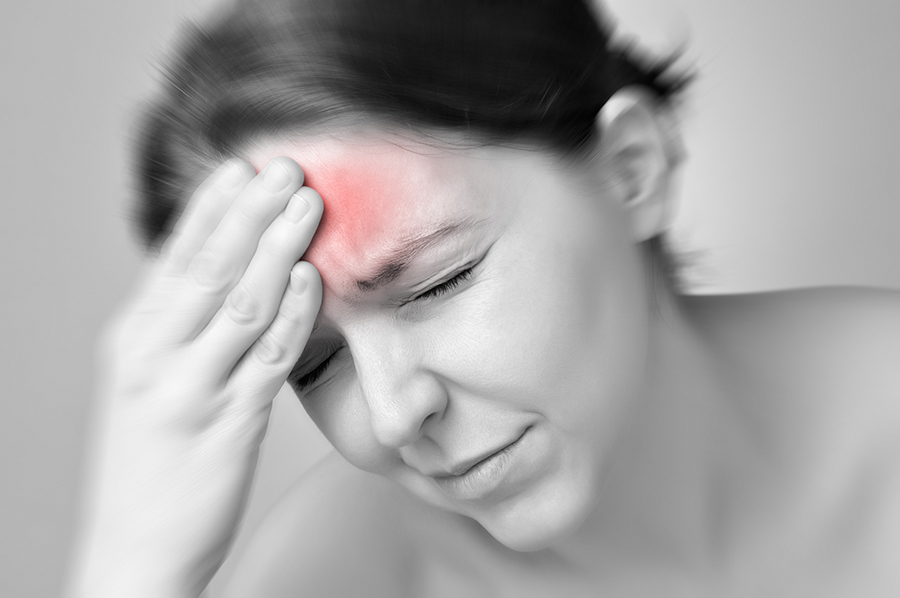
Chronic Neurologic Lyme Disease: 25 Years After a Landmark Study

Chronic Neurologic Lyme Disease: 25 Years After a Landmark Study Chronic neurologic Lyme disease can lead to persistent cognitive and neurologic symptoms long after infection. A landmark study published in the New England Journal of Medicine first described these chronic manifestations and continues to influence clinical understanding today. :contentReference[oaicite:0]{index=0} The 1990 study by Logigian, Kaplan,

Chronic Neurologic Lyme Disease: 25 Years After a Landmark Study Read More »

Top Lyme and tick-borne disease stories of 2015

Top Lyme Disease News Stories of 2015

Top Lyme Disease News Stories of 2015 Lyme disease news in 2015 reflected a major shift in awareness, research, and public engagement. From increased funding to celebrity advocacy and emerging scientific insights, the year marked an important moment in the evolution of Lyme disease recognition. :contentReference[oaicite:0]{index=0} Here are some of the most important Lyme and

Top Lyme Disease News Stories of 2015 Read More »

Culture evidence of Lyme disease in antibiotic treated patients living in the Southeast

Seronegative Lyme Disease: Culture Evidence After Antibiotic Treatment

Seronegative Lyme Disease: Culture Evidence After Antibiotic Treatment Geographic Expansion into the Southeast Seronegative Lyme disease may be more common than recognized, particularly as Lyme disease expands geographically. Scientists are increasingly focusing their attention on identifying tick-borne pathogens present in the Southeastern United States. :contentReference[oaicite:0]{index=0} In 2015, Lantos and colleagues reviewed the geographic expansion of

Seronegative Lyme Disease: Culture Evidence After Antibiotic Treatment Read More »

Renewed call for dialogue on Lyme disease

Lyme Disease Dialogue: A Renewed Call for Collaboration

Lyme Disease Dialogue: A Renewed Call for Collaboration Lyme disease dialogue is urgently needed as evidence continues to highlight the complexity of this multisystem illness. “We need more national and international debates on Lyme disease, complemented by a solid research agenda and a focus on cutting edge biological technologies,” writes Borgermans and colleagues. :contentReference[oaicite:0]{index=0} ILADS

Lyme Disease Dialogue: A Renewed Call for Collaboration Read More »

Babesia and Lyme — it’s worse than you think

Babesia and Lyme — it’s worse than you think

Babesia and Lyme — it’s worse than you think Quick Answer: Babesia coinfection can make Lyme disease more severe, longer-lasting, and harder to treat. It often goes undiagnosed because testing misses many cases, and standard Lyme antibiotics do not treat Babesia. For a broader overview of Babesia symptoms, testing, and treatment, see our Babesia guide.

Babesia and Lyme — it’s worse than you think Read More »

Treatment options for an anxious, suicidal patient with a history of Lyme disease

Lyme Disease Psychiatric Symptoms: Anxiety, Depression, and Treatment Options

Lyme Disease Psychiatric Symptoms: Anxiety, Depression, and Treatment Options Lyme disease psychiatric symptoms can include anxiety, depression, and even suicidal thoughts, complicating diagnosis and treatment. A case report highlights the challenges of evaluating a patient with neuropsychiatric symptoms and a history of Lyme disease. :contentReference[oaicite:0]{index=0} In the article “New-onset Panic, Depression with Suicidal Thoughts and

Lyme Disease Psychiatric Symptoms: Anxiety, Depression, and Treatment Options Read More »

Travelers heading south cannot escape the threat of tick-borne diseases

Tick-Borne Diseases in the South: Why Travelers Remain at Risk

Tick-Borne Diseases in the South: Why Travelers Remain at Risk Tick-borne diseases in the South are increasing as tick populations expand into new regions. Although Lyme disease is often associated with the Northeast, multiple tick species in the southern United States carry a range of infections that travelers should be aware of. :contentReference[oaicite:0]{index=0} “The recent

Tick-Borne Diseases in the South: Why Travelers Remain at Risk Read More »

Time for shared decision-making when treating Lyme disease

Lyme Disease Shared Decision Making: Why Patients Must Be Involved

Lyme Disease Shared Decision Making: Why Patients Must Be Involved Lyme disease shared decision making is essential in a condition marked by uncertainty, variation in symptoms, and differing treatment approaches. Medicine is increasingly moving away from a model where physicians make all decisions toward a patient-centered approach that actively involves patients at every stage of

Lyme Disease Shared Decision Making: Why Patients Must Be Involved Read More »

At least 50% of patients with Lyme neuroborreliosis remain ill years after treatment

Lyme Neuroborreliosis Long-Term Symptoms: Many Patients Remain Ill

Lyme Neuroborreliosis Long-Term Symptoms: Many Patients Remain Ill Lyme neuroborreliosis long-term symptoms can persist for years after treatment, affecting quality of life and daily function. Despite ongoing debate, multiple studies document chronic manifestations of Lyme disease, including neurologic and systemic symptoms. :contentReference[oaicite:0]{index=0} These manifestations include chronic neurologic Lyme disease, Lyme encephalopathy, neuropsychiatric Lyme disease, and

Lyme Neuroborreliosis Long-Term Symptoms: Many Patients Remain Ill Read More »